10 Indoor Plant Styling Ideas That Skip the Plain Terracotta Pot
· thehazelcottage@mail.com
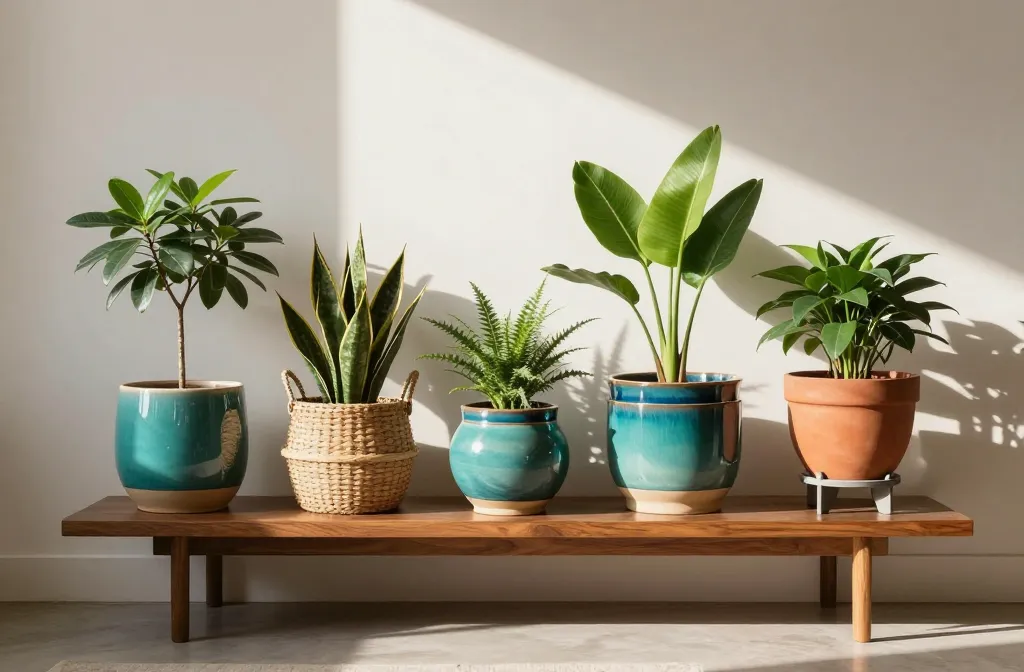
I started decorating my apartment with plants more than a decade ago, learning the hard way that pots can make or break a room. I outgrew the bland terracotta phase by experimenting with textures, colors, and smart arrangements that still keep care simple. In this guide, you’ll discover practical, beginner-friendly ideas that transform greenery into eye-catching, livable decor without fancy gear.
1. Statement Planters: Elevate with Color or Texture
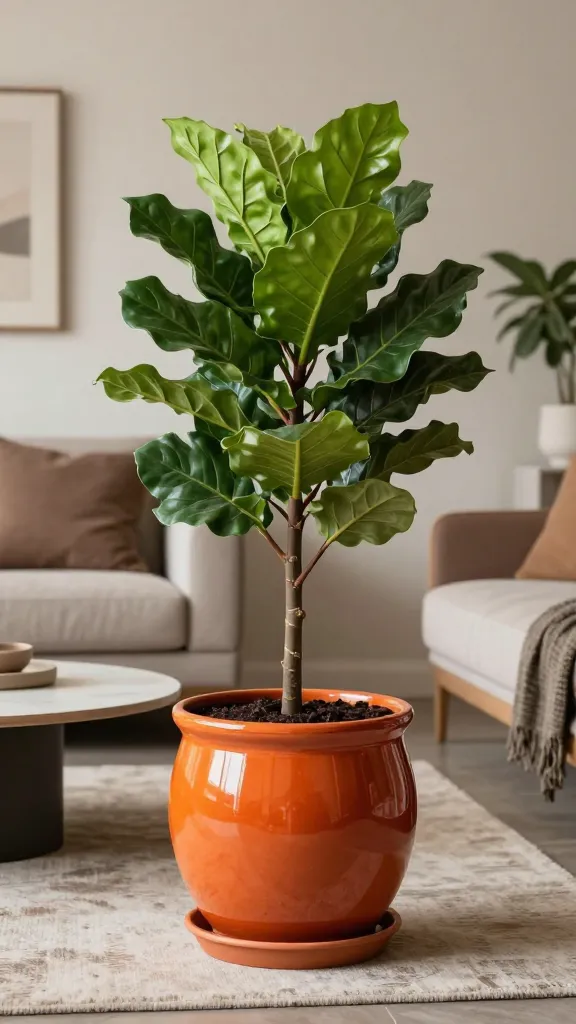
Plain terracotta is reliable, but it can feel heavy and dated. A vibrant ceramic or a woven fiber pot instantly lifts the plant’s presence and anchors it in your room’s color palette.
Signs to Watch For
- Plants look lost against a neutral wall
- Pot materials clash with furniture finishes
- Tags or labels repeatedly scratch or bend in transit
How to Fix It
- Pair plants with pots that echo your room’s accent colors
- Choose pots with drainage and a saucer to protect furniture
- Mix textures (matte ceramic, woven basket, glossy plastic) for depth
What to Use Instead
- A ceramic pot in a bold glaze
- A woven basket with a lightweight inner plastic lining
- A raised ceramic cachepot with feet for air flow
Takeaway: Swap one plain pot for a color or texture that complements your room to instantly refresh the scene.
2. Planter Stands and Shelving: Create Vertical Interest
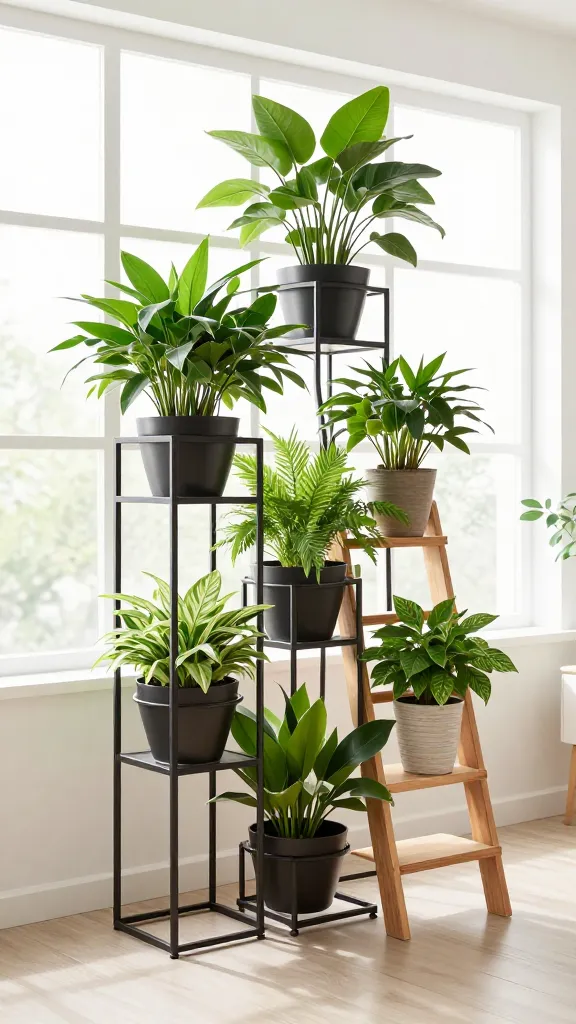
Flat surfaces can feel crowded quickly. A simple stand or tiered shelf adds verticality, making even small plants feel curated rather than cluttered.
Signs to Watch For
- Low shelves create a flat, busy arrangement
- Plants block natural light on tabletops
- Dust builds up on surface-level greenery more than other decor
How to Fix It
- Use a tiered metal stand or wooden ladder shelf near a bright window
- Group plants by height to create a cascading effect
- Leave space for a few tall plants and several trailing varieties
What to Use Instead
- A three-tier plant stand
- Wall-mounted shelves with integrated brackets
- Floating shelves at varying heights
Takeaway: Elevate your greenery with stands and shelves to build depth without crowding surfaces.
3. Obscure Botanicals: Use Unconventional Foliage as Art
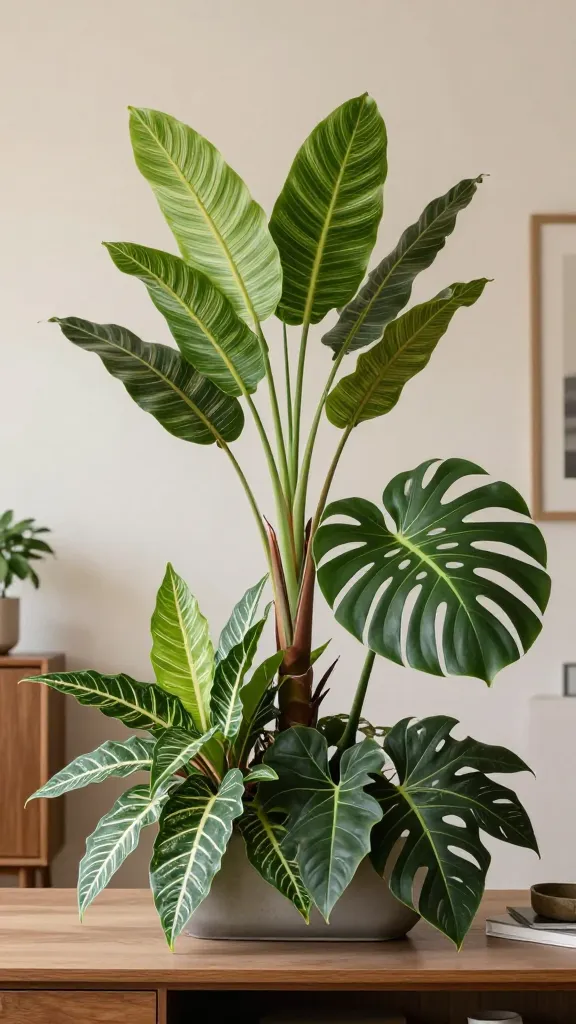
Plants aren’t just greenery; they’re living accents. Choose species with architectural leaves or variegation to serve as natural wall art or sculptural features.
Signs to Watch For
- Monotonous plant shapes across your room
- Leaves dull in color or texture compared with other decor
- Low-light plants stretched toward windows
How to Fix It
- Select plants with bold leaf patterns or unique forms (e.g., calathea, monsteras with fenestrations, alocasia)
- Place them where their leaves can be appreciated at eye level
- Rotate occasionally to preserve even wear and growth
What to Use Instead
- Calathea, Monstera, or Alocasia species for dramatic leaves
- Trailing varieties like pothos or philodendron with variegation
- Statement pots with clean lines to keep foliage in focus
Takeaway: Let foliage serve as living art by choosing bold shapes and placing them where they can be admired daily.
4. Mixed Materials: Combine Wood, Metal, and Glass
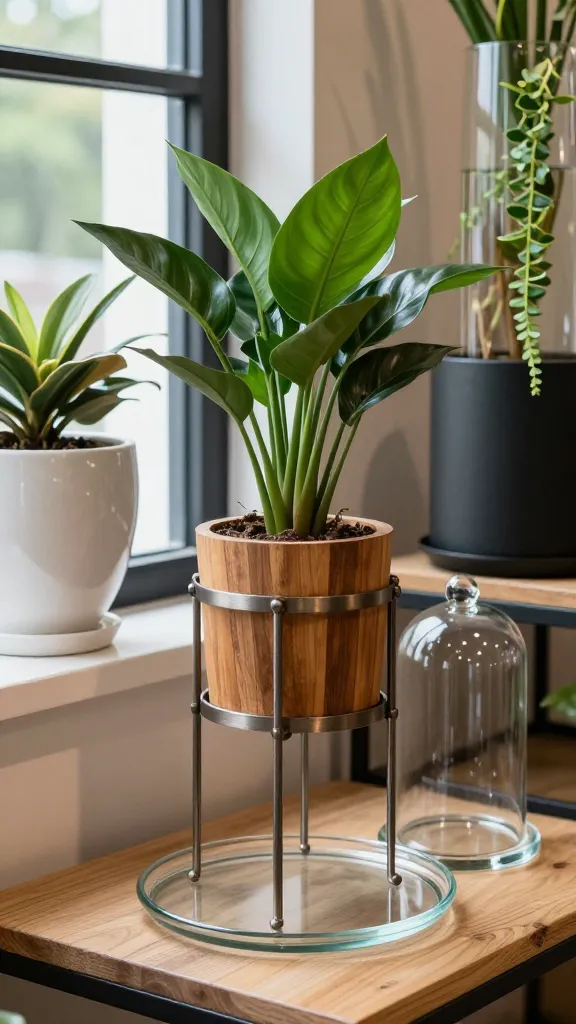
A cohesive mix of materials keeps your plant styling from feeling flat. Wood tones, metal finishes, and glass planters create a multi-sensory look that reads intentional rather than accidental.
Signs to Watch For
- All pots look the same across shelves or windowsills
- Jarring contrasts between planter finishes and furniture
- Dusty or tired-looking spaces around plant displays
How to Fix It
- Pair a wooden pot with a metal stand or glass dish for contrast
- Use a glass terrarium or cloche as a centerpiece with surrounding potted plants
- Keep metal finishes matte or brushed to avoid glare
What to Use Instead
- A light wood planter paired with a black metal stand
- A clear glass bowl with a plant inside and pebbles at the base
- A ceramic pot with a wooden stand for elevation
Takeaway: Layer materials to create a layered, high-end look with minimal effort.
5. Self-Witted Containers: Decorative Bowls and Unique Re-purposed Items
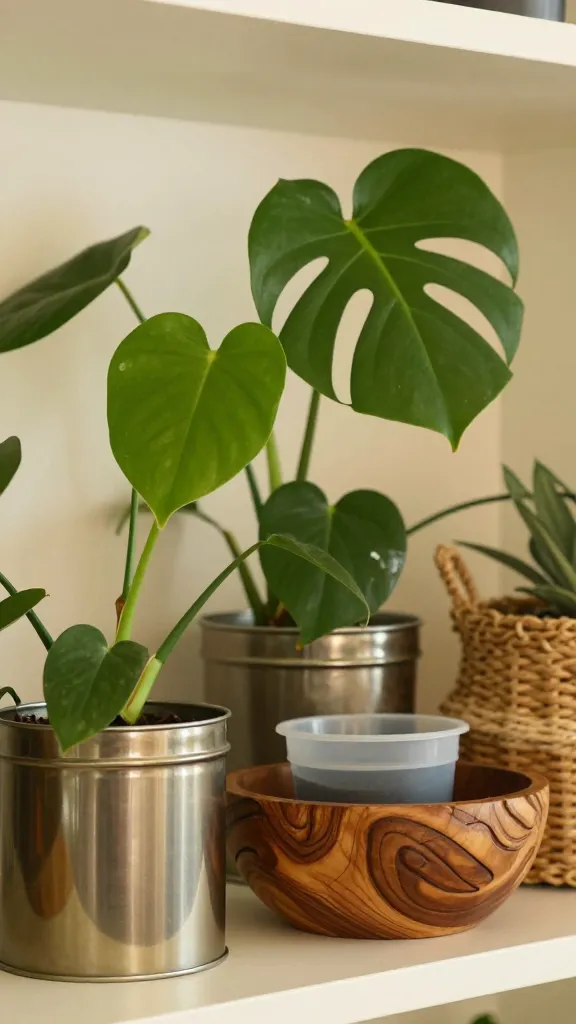
Unusual containers inject personality. A decorative bowl, vintage tin, or even a repurposed basket becomes a focal point that elevates a humble plant.
Signs to Watch For
- Re-purposed container looks out of scale for the plant
- Container lacks drainage, risking root issues
- Visual weight of the container overwhelms the plant
How to Fix It
- Ensure drainage or use a plastic inner pot with a decorative exterior
- Choose containers that visually balance the plant’s size
- Line metal or delicate containers with a tray to protect surfaces
What to Use Instead
- A shallow decorative bowl with a breathable potting insert
- A vintage tin with a drainage-friendly liner
- A woven basket with a plastic inner pot
Takeaway: Use distinctive containers to become a natural centerpiece rather than just a plant holder.
6. Trailing Plants as Soft Architecture
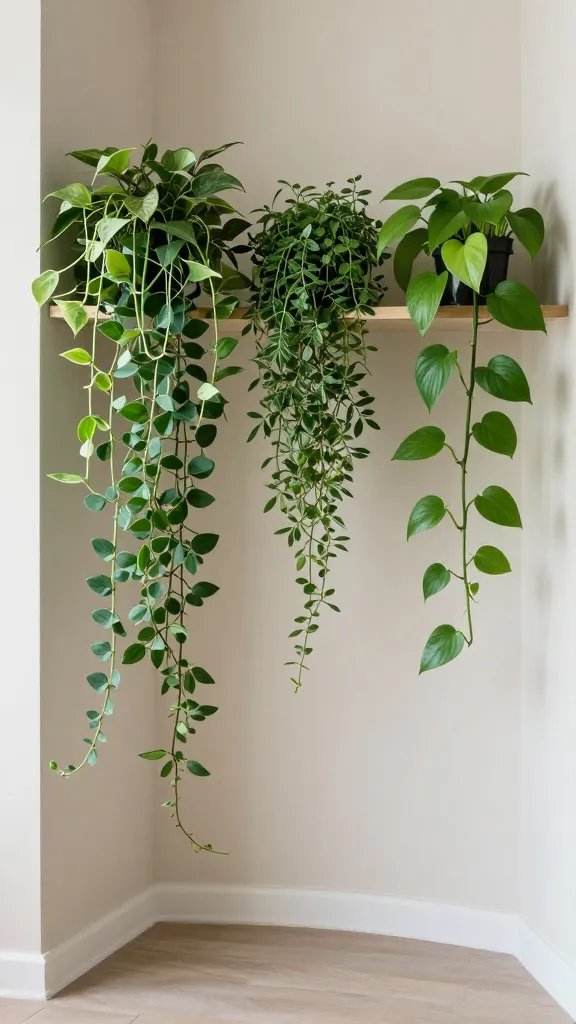
Trailing plants drape gracefully, softening edges and filling empty space. They create a sense of movement that simple pots alone rarely achieve.
Signs to Watch For
- Empty corners feel underutilized
- Long stems that point downward without purpose
- Top-heavy arrangements that look unbalanced
How to Fix It
- Train trailing varieties along shelves or curtain rods
- Pair with rigid upright plants to maintain structure
- Trim regularly to encourage bushier growth
What to Use Instead
- Peperomia scandens, pothos, string of hearts
- Hanging planters with soft cords to blend with fabrics
- Suspended baskets near natural light
Takeaway: Let trailing plants weave through your space to soften and connect different zones.
7. Underplanting with Ground Covers and Low Growers
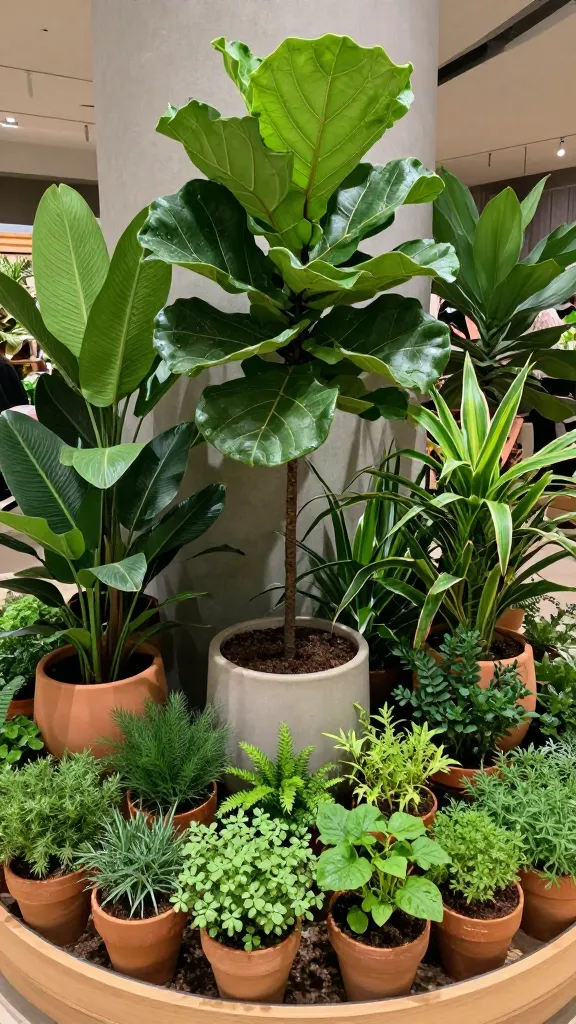
Underplanting fills gaps under taller plants, creating a lush, intentional look instead of bare soil or empty pots.
Signs to Watch For
- Soil surfaces look bare or dusty
- Toothpick-sized gaps between pots create visual noise
- Bottom lighting highlights empty space
How to Fix It
- Choose compact, fast-growing offenders (mini pots of turf or small-leafed herbs)
- Place ground covers in adjacent pots or shallow trays around bigger plants
- Water evenly to keep shallow-rooted companions thriving
What to Use Instead
- Low-growing succulents or fast-growing ferns in shallow containers
- Moss mats to create a green carpet around bases
- A gravel bed with a thin layer of potting mix above
Takeaway: Use underplanting to maximize space and provide a cohesive, garden-like feel.
8. Color Coordination with Greenery: Monochrome and Accents
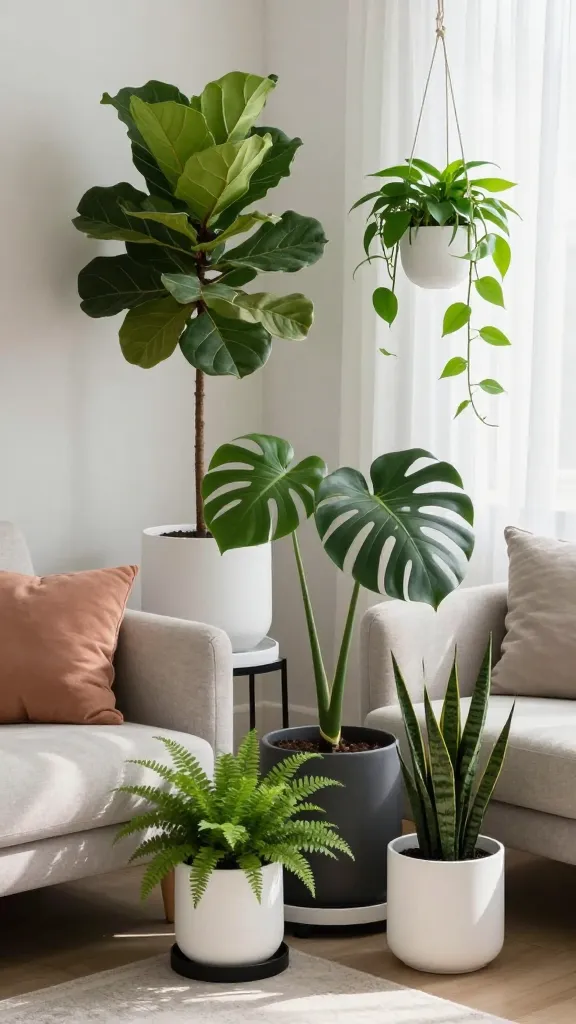
Color ties everything together. A restrained color palette with one or two accent hues makes plants feel curated rather than random.
Signs to Watch For
- Too many different pot colors clash with furniture
- Plants look busy instead of harmonious
- Lighting makes plants appear flat or dull
How to Fix It
- Limit pots to two main colors—one neutral, one accent
- Introduce color through textiles (cushions, curtains) rather than every pot
- Use white or black pots for a clean, modern look and let foliage pop
What to Use Instead
- Solid-black or white pots with a natural fiber basket
- Muted ceramic pots in stone or sage tones
- Bright accent pots only for a single hero plant per room
Takeaway: A disciplined color approach keeps plants feeling intentional and stylish.
9. Lighting-Aligned Placement: Maximize Bright Indirect Light
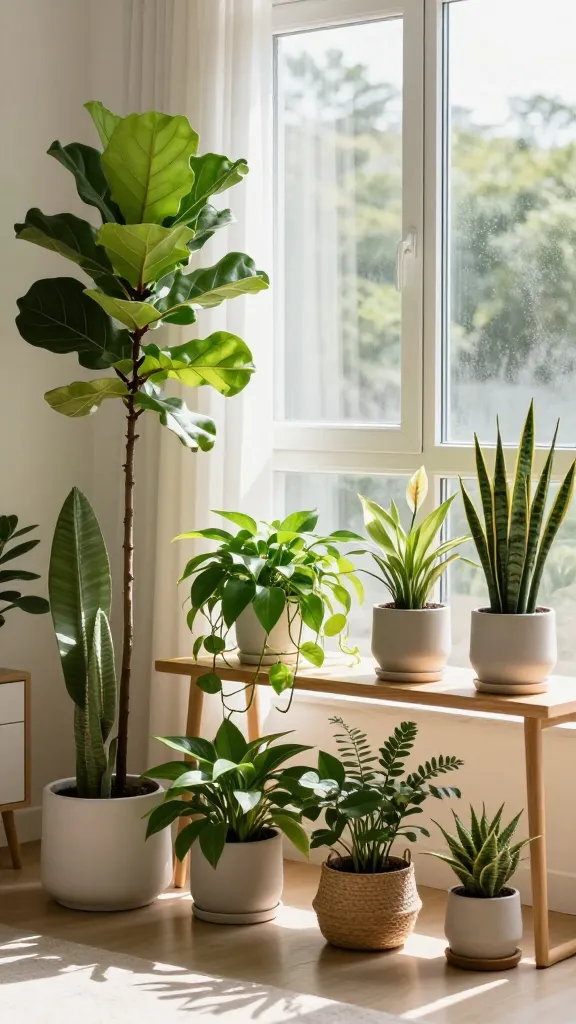
Light is often the missing ingredient in great plant styling. Proper placement ensures color, texture, and form stay vibrant and healthy.
Signs to Watch For
- Leaves pale or yellow from uneven light
- Plants leaning toward the window in search of light
- Condensation or heat stress in window-adjacent spots
How to Fix It
- Position plants on a bright, indirect light table or shelf near a window
- Rotate pots weekly to distribute light evenly
- Group sun-loving varieties together away from drafts
What to Use Instead
- Reflective white surfaces behind a plant to increase vitality
- Sheer curtains to diffuse harsh sun while keeping brightness
- Move plants temporarily to a brighter spot during peak growth
Takeaway: Align placement with light to preserve color, structure, and health.
10. Seasonal Shifts: Rotate and Refresh for Fresh Impact
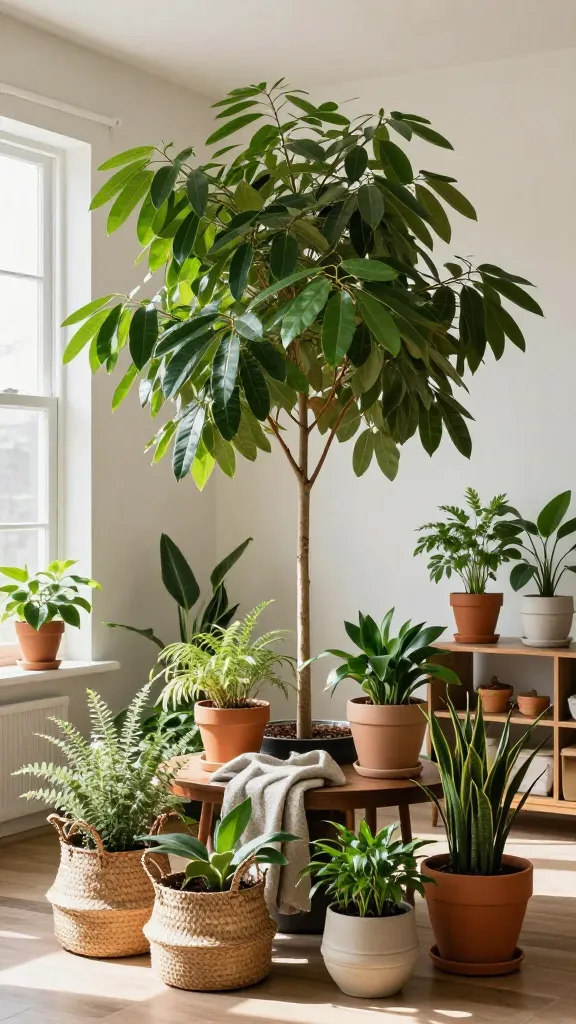
A living space should evolve. Rotating plants and swapping containers according to season keeps your styling dynamic and engaging.
Signs to Watch For
- Stale arrangements that feel stale after months
- Plants outgrowing their space or blocking access paths
- Soil moisture and light levels drifting with the season
How to Fix It
- Schedule a quarterly refresh: swap a few pots, rotate plants, and adjust heights
- Re-pot root-bound plants when needed using standard garden centre potting mix
- Introduce seasonal accents (soft textiles, ceramics) to refresh the look
What to Use Instead
- New pot colors or finishes that complement current decor
- Trailing or upright varieties that suit new placements
- A few decorative stones or pebbles to refresh pots without full repot
Takeaway: A simple seasonal refresh keeps your plant styling feeling fresh and intentional.
Frequently Asked Questions
What’s the easiest way to start styling without buying new pots?
Start by grouping existing pots by color or texture and placing taller plants at the back of shelves. Use a few inexpensive accessories—like a woven basket or a shallow tray—to unify the setup. Rotate one or two plants monthly to vary the look.
How do I prevent overwatering when I’m repotting or switching planters?
Use a standard garden centre potting mix and ensure each pot has drainage and a saucer. Water only when the top inch of soil dries to the touch, and avoid letting pots sit in water for more than 30 minutes. Consider a moisture-checking method like inserting a wooden skewer to gauge dampness.
Which plants are best for beginners in this styling approach?
Start with pothos, ZZ plants, snake plants, and calatheas for color and texture without demanding care. These varieties tolerate a range of light conditions and offer strong architectural forms. Pair them with simple containers to practice proportions and balance.
How can I keep the look cohesive if I have limited space?
Limit pot colors to two, and use vertical storage like shelves or a plant stand to reduce surface clutter. Group plants by height to create a tiered, gallery-like feel. Regularly tidy dust from leaves to keep colors vibrant and walls readable as a backdrop.
What care routine should I follow after styling changes?
Establish a simple routine: inspect light exposure weekly, water every 7-14 days depending on plant type, and wipe leaves monthly to maximize photosynthesis. Keep a small notebook or photo log to track which containers and placements work best in your space.
How do I know if a container is the right size?
Choose containers where the plant’s root ball fits with about a 1-2 inch margin to allow for growth and watering. A pot that’s too large can lead to waterlogged soil; too small slows growth and stresses the plant. If roots are circling the pot, it’s time to upsize.
Conclusion
With these practical ideas, you can turn ordinary greenery into a sophisticated, personal display. Start small—swap a single pot or add a plant stand—and watch your space transform into a stylish, welcoming home for your plants.
Leave a Reply