8 Budget-Friendly Earthy Decor Swaps You Can Make This Weekend
· thehazelcottage@mail.com
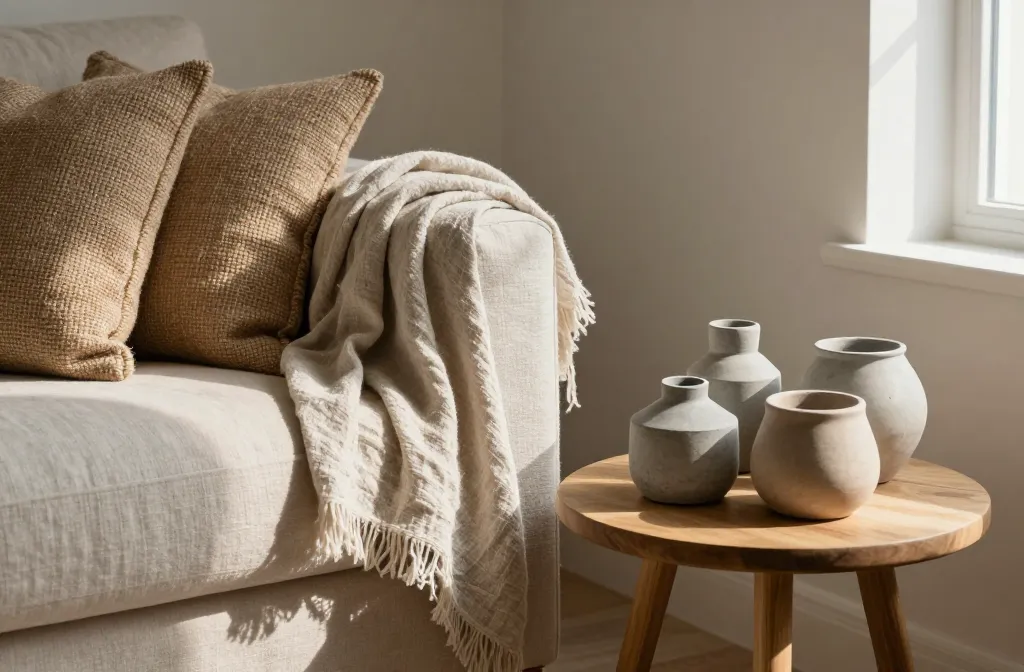
I’m decorating on a tight budget while juggling apartment light and time, and I’ve learned that small changes add up fast. If you’re itching to warm up your home without blowing your bank, these swaps are practical, fast, and visible by Monday. You’ll finish with a calmer, more natural vibe and a space that still feels like you.
1. Swap synthetic throw blankets for natural, textured textiles
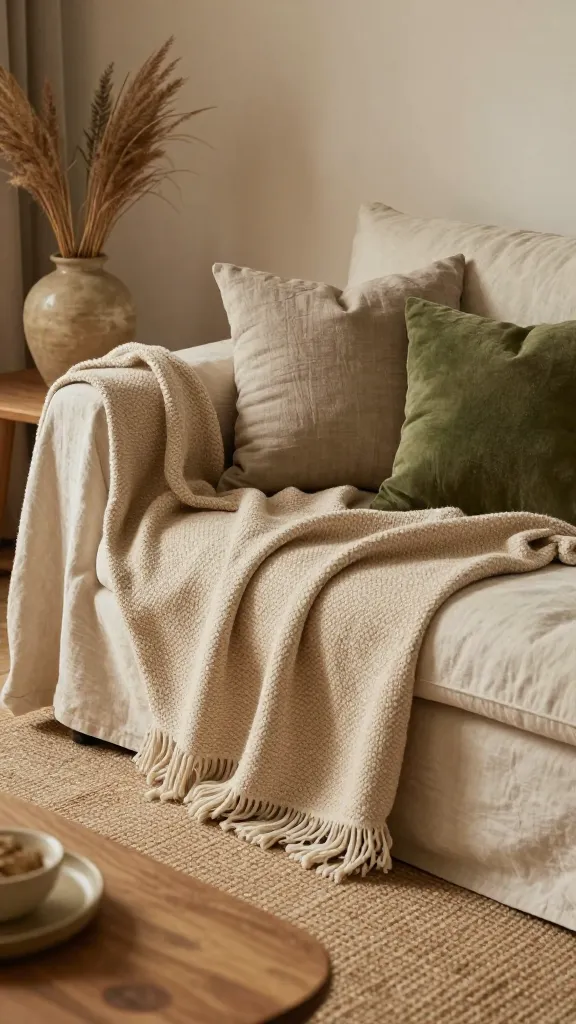
The wrong fabrics make a room feel flat and cold, especially in dim corners. Replacing a polyester throw with a woven cotton, jute, or linen option instantly introduces warmth and depth that catches the light differently.
Signs You Need a Textile Swap
- Fading color or flat texture on existing throws
- Rooms feel cooler when you sit near them in the evening
- Visible sheen from synthetic fabrics that clashes with natural elements
How to Fix It
- Choose throws or cushions in earthy tones—oat, taupe, moss, terracotta
- Look for natural fibers: cotton, linen, jute, wool blends
- Use 1-2 larger pieces instead of multiple small accents
What to Use Instead
- A 50×70 inch linen throw or a 20×20 inch jute cushion
- Two coordinating textures (woven + a knit) for depth
Takeaway: Layer 1-2 natural-textured pieces this weekend to add warmth without clutter.
2. Replace plastic planters with craft-store concrete or clay pots
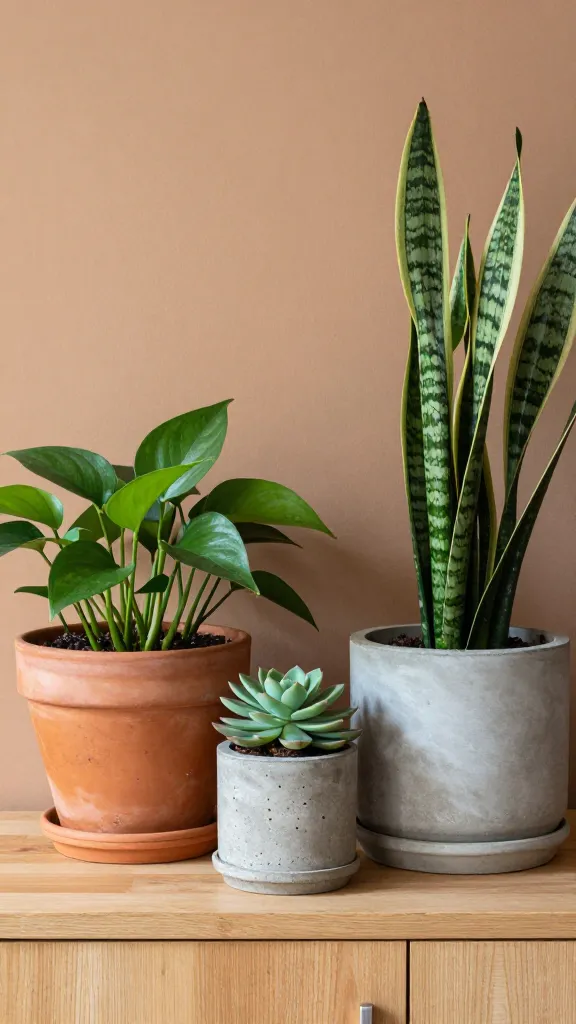
Plastic planters read as cheap and can dull a room’s earthy feel. Substituting with clay or faux-concrete pots adds texture and stability to your plant groupings.
Signs Your Pots Aren’t Working
- Plastic sheen or bright white plastic that clashes with greenery
- Soil moisture reservoirs underneath pots look uneven
- Plants seem crowded or the group lacks structure
How to Fix It
- Pick two sizes of terracotta or cement-look pots for variety
- Ensure drainage: a simple saucer + drainage holes matter
- Group pots by height to create a tiered effect on shelves
What to Use Instead
- Terracotta pots 6-8 inches and 10-12 inches for medium plants
- Concrete-look fiberclay pots for modern shelves
Takeaway: Swap at least one plastic pot for clay or concrete this weekend to ground your plant display.
3. Introduce a moss or coconut-mat rug to soften the floor
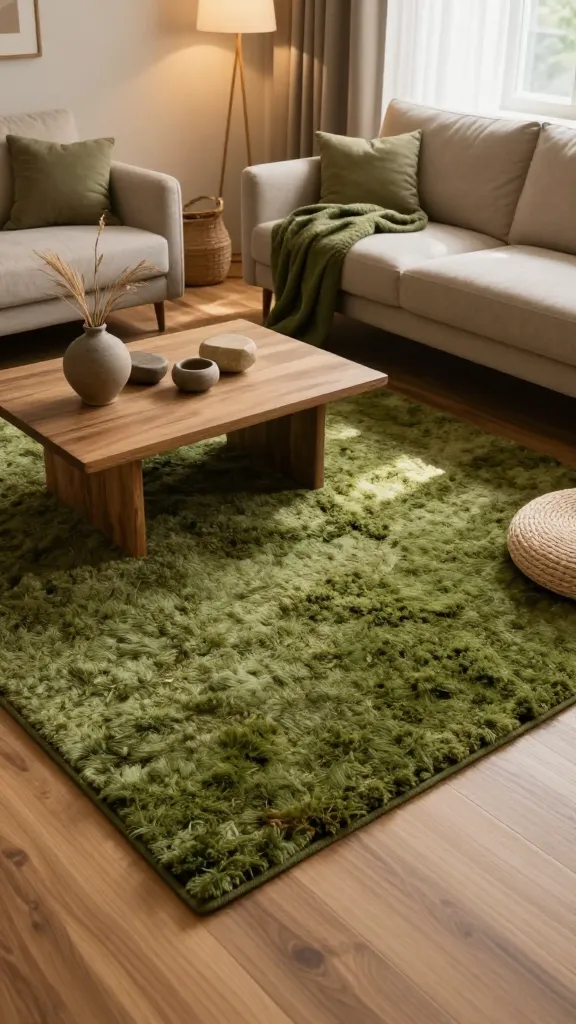
A bare floor reads as cold and unfinished. A low-profile natural rug helps anchor furniture, absorbs noise, and adds a soft texture that ties earthy elements together.
Signs You Need a Floor Texture
- Hard floor feels loud underfoot
- Furniture corners leave harsh lines on the floor
- Room lacks a cohesive earthy feel
How to Fix It
- Choose a small-to-medium rug in moss green, taupe, or warm beige
- Look for rugs with natural fibers or coconut-fiber backing
- Place under coffee table or seating to define zones
What to Use Instead
- A 4×6 foot moss or jute rug, or a small coconut-mat rug for entryways
Takeaway: Add one natural-fiber rug to create warmth underfoot and unify seating zones.
4. Use dried botanicals in place of fresh stems for longevity
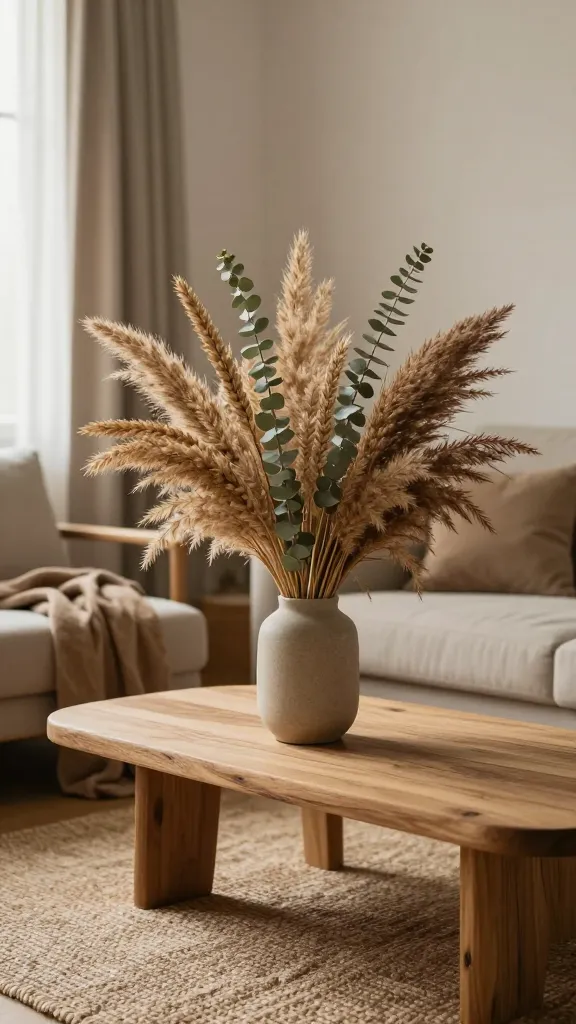
Fresh stems look vibrant but require upkeep. Dried or preserved botanicals offer texture and a year-round earthy vibe with almost zero maintenance.
Signs Fresh Flowers Leave Your Space Too Busy
- Short vase life leads to constant replacement
- Color clashes with existing earthy palette
- Dust builds on delicate stems quickly
How to Fix It
- Choose dried wheat, pampas, eucalyptus stems, or preserved grasses
- Limit to 2-3 key arrangements to avoid visual overload
- Refresh by swapping out every season or two for variety
What to Use Instead
- Two small dried bundles in a ceramic vase; one tall stem in a slender bottle
Takeaway: Choose 1-2 dried arrangements to maintain an earthy look with minimal upkeep.
5. Refinish wood surfaces with wax or oil instead of paint
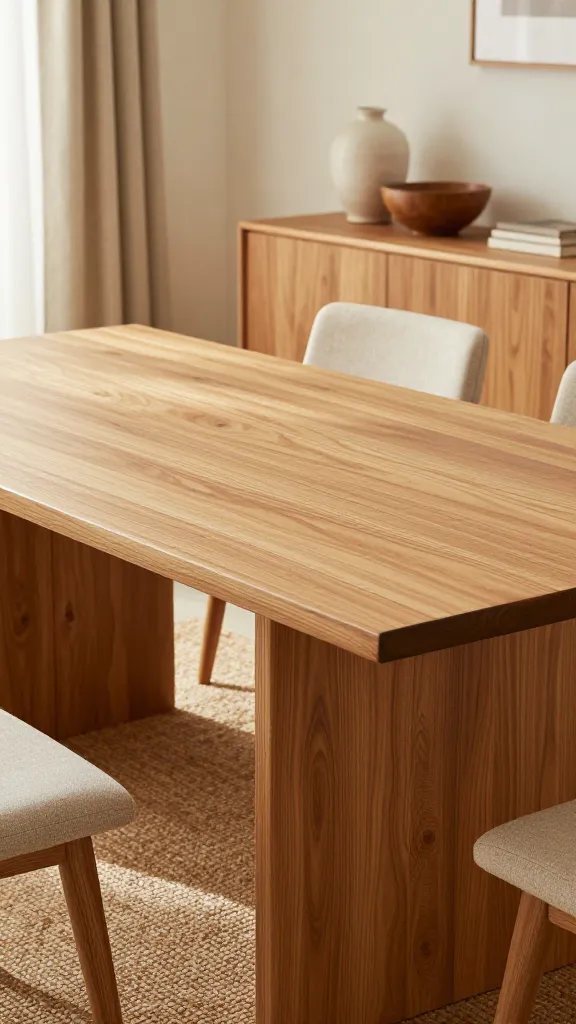
Painted wood can feel sterile next to natural textures. A waxed or oil-finished surface preserves grain, warms the space, and is easy to refresh with a quick buff.
Signs You Need a Refinish
- Wooden furniture looks dull or chalky
- Edges appear flat rather than dimensional
- Color mismatch between wood tones in the room
How to Fix It
- Clean with a mild degreaser, sand lightly, and apply a clear wax or oil
- Test on a small area first to ensure even color
- Buff with a soft cloth to achieve a subtle luster
What to Use Instead
- Clear furniture wax or a light oil (like linseed or tung) suitable for indoor wood
Takeaway: Restore one wood piece with wax or oil to deepen warmth and cohesion in the room.
6. Create a DIY ceramic vignette with found textures
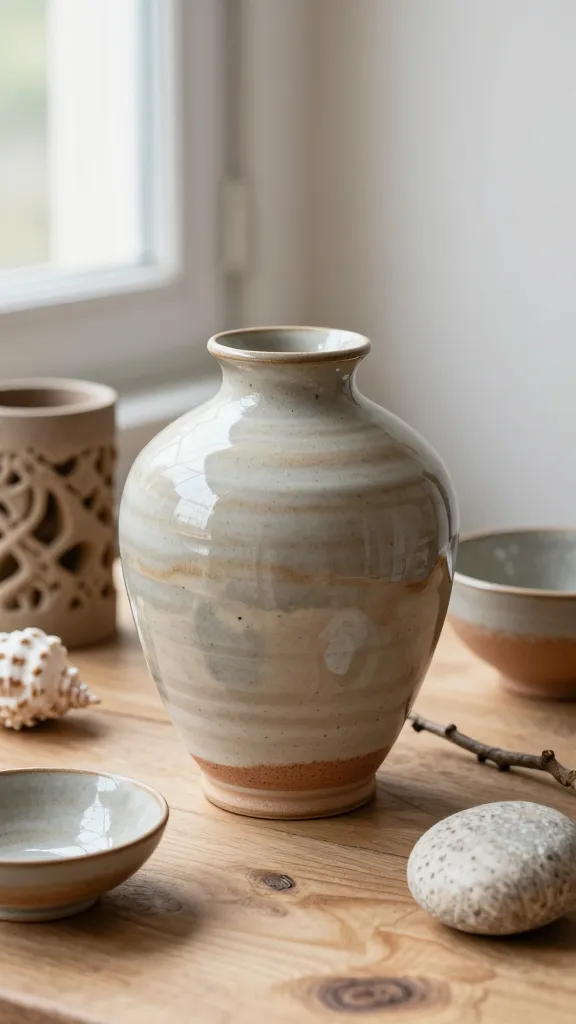
Mass-produced decor can feel impersonal. A handmade-looking ceramic or clay vessel filled with simple items brings an authentic earthy touch without a big budget.
Signs Your Vignette Lacks Personality
- Decor feels generic or mismatched
- Flat surfaces with no focal point
- Items don’t tell a story about your space
How to Fix It
- Gather a small bowl, a textured candle holder, and a natural object (shell, stone, twig)
- Paint or glaze a plain ceramic piece if you enjoy personalizing
- Arrange as a trio with a plant nearby for balance
What to Use Instead
- One handmade ceramic bowl, one cord-wrapped candle holder, and one natural element
Takeaway: Assemble a simple 3-item ceramic vignette to add character without clutter.
7. Upgrade lighting with warm bulbs and earthy lampshades
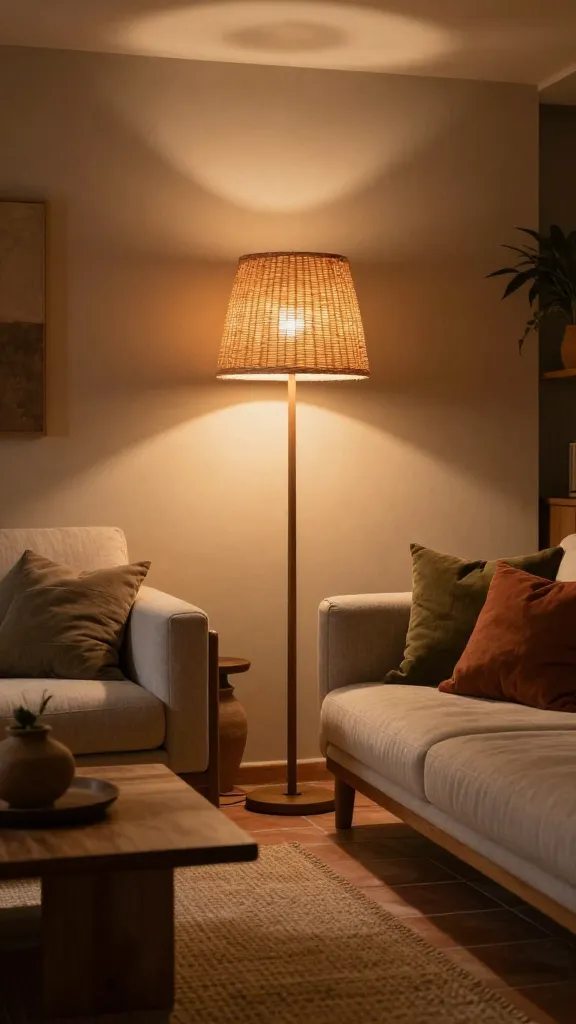
Lighting shapes mood as much as color. Warm, diffused light enhances earthy tones and soft textures, making spaces feel inviting rather than clinical.
Signs Your Lighting Lacks Warmth
- Cool, blue-tinted light that flattens colors
- Shadows create a harsh, unwelcoming atmosphere
- Lampshades are too bright or too small for the space
How to Fix It
- Use bulbs around 2700-3000K for a warm glow
- Swap bare bulbs for fabric or wicker lampshades
- Position lamps to create soft layers: ambient, task, and accent
What to Use Instead
- One table lamp with a fabric shade and one floor lamp with a woven shade
Takeaway: Add two warm-lighting options to soften the room and highlight earthy textures.
8. Introduce a simple, plant-friendly shelf arrangement with raw materials
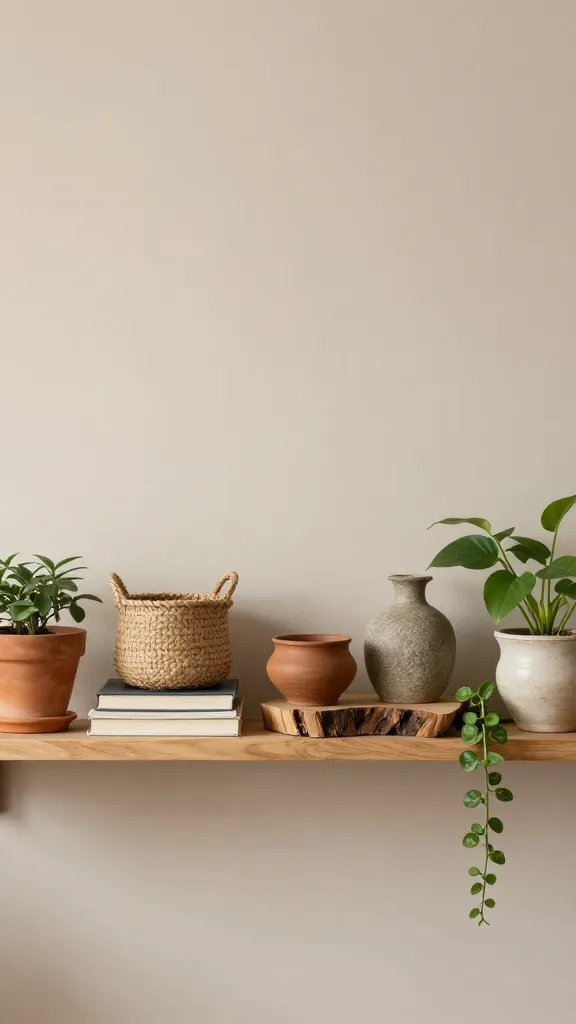
Storage shelves often become a backdrop for clutter. By using raw materials and careful spacing, you create a natural display that feels intentional and calm.
Signs Your Shelf Feels Busy
- Too many small items crowding the surface
- Color palette is inconsistent or too bright
- Plants get crowded and compete for light
How to Fix It
- Limit to 3-5 focal items per shelf; use vertical space
- Choose items in earthy tones and varied textures
- Place a plant or two among books and vessels to balance height
What to Use Instead
- One large ceramic vase, one small bowl, and 2-3 plants in matching pots
Takeaway: Curate shelves with 3-5 focal pieces and plant accents for an organized, earthy display.
Frequently Asked Questions
How do I pick earthy tones that work in a small apartment?
Start with a base of warm neutrals—beige, taupe, and greige. Add 1-2 accent colors inspired by nature, like moss green or terracotta, in textiles or ceramics. Keep the palette cohesive by repeating the same two or three hues across different items.
What if I don’t have time to DIY everything?
Prioritize one or two high-impact swaps—like planters and textiles—then stagger the rest over a few weeks. Use ready-made natural-texture items as anchors and layer DIY pieces around them to keep budget and effort low.
Are natural fibers durable for everyday use?
Yes. Cotton, linen, jute, and wool blends hold up well with normal care. Avoid delicate fabrics near high-traffic areas. Dust regularly to keep textures looking their best.
How can I protect wooden surfaces without heavy finishing?
Regularly dust and wipe with a soft cloth. If you’re unsure about wax or oil, start with a small, hidden spot. Use a microfiber cloth for a quick buff and shine without leaving residue.
Where can I source affordable earthy decor?
Look for items at garden centers, home improvement stores, and discount home shops. Check for end-of-season sale sections and pair natural pieces with budget-friendly ceramics or glass vessels.
What is the best order to implement these swaps?
Begin with textiles and planters to establish texture and structure. Then refresh floors with a rug, then introduce dried elements and refined wood finishes. Finally, optimize lighting and shelf displays to tie everything together.
Conclusion
With a handful of practical swaps, you can transform your space into a warmer, more grounded environment this weekend. Start with the items you already have that fit the earthy palette, then layer in two or three new touches for the biggest impact. Your home will feel more cohesive, welcoming, and uniquely yours. If you’re ready for more, I’ll walk you through a seasonal refresh plan in the next article.
Leave a Reply