10 Second-Hand Finds for an Earthy Cottage Home: What to Look For
· thehazelcottage@mail.com
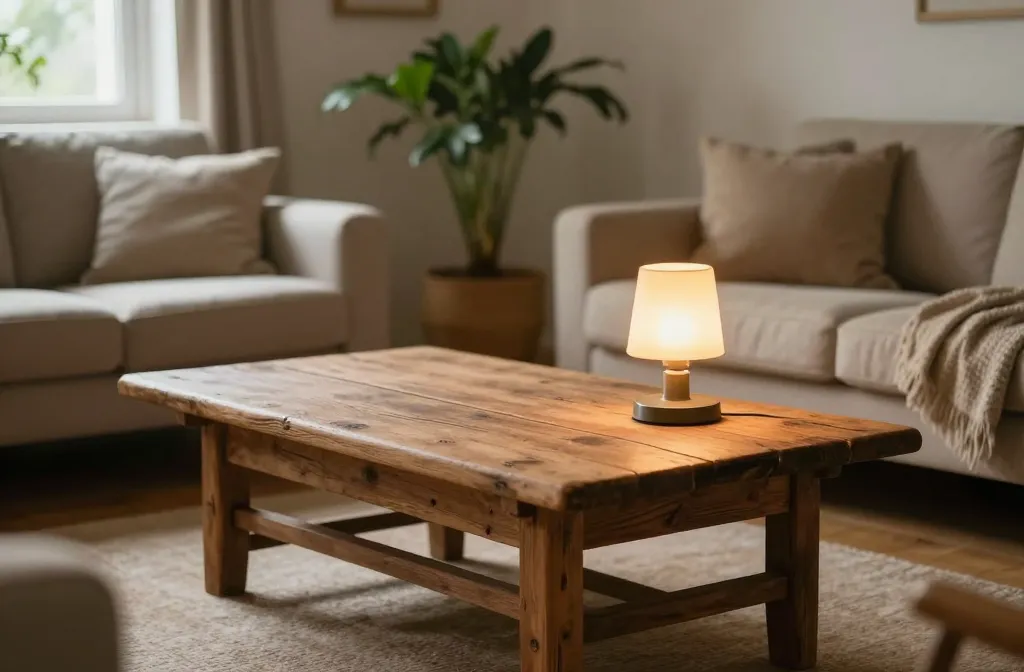
In my first year hunting second-hand treasures, I learned how the right curbside finds can create the feel of a lush cottage without breaking the bank. You’ll see how seemingly ordinary pieces become anchor accents that warm a room. This guide walks you through practical, affordable second-hand finds and how to evaluate them at a glance.
1. Reclaimed Wood Coffee Table: Earthy Anchor for Living Rooms
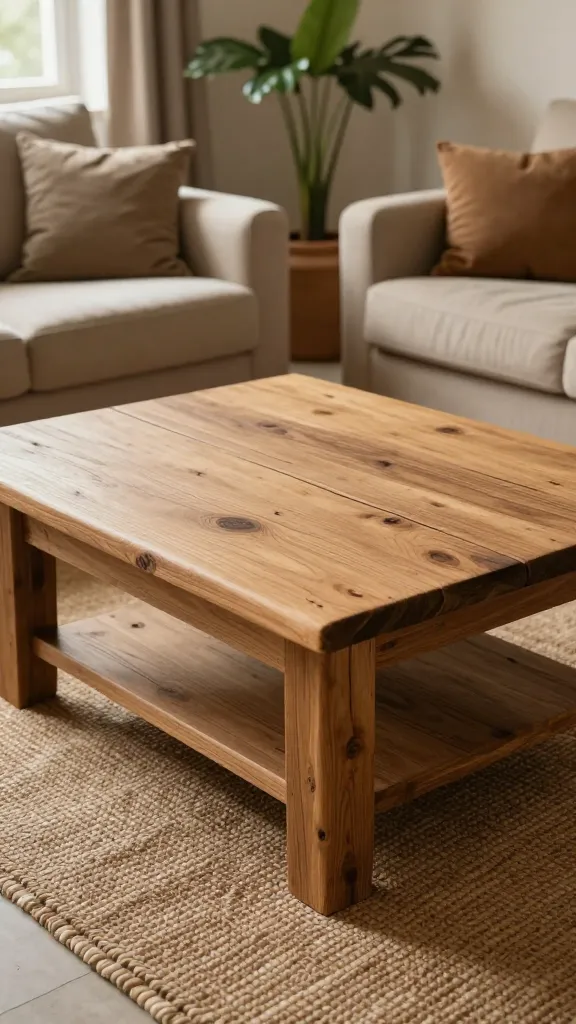
The wrong table can clash with your natural palette, but a weathered, solid wood coffee table instantly grounds an earthy cottage aesthetic. Look for stable legs, a blemish-rich surface that tells a story, and a finish that isn’t peeling or powdery.
Signs to Watch For
- Wobbly legs or loose joints
- Deep cracks that expose softwood
- Strong musty odor or excessive warping
How to Fix It
- Tighten screws, add furniture levelers if needed
- Fill small cracks with wood filler; sand lightly and re-oil
- Wipe down with a damp cloth and a mild soap solution; dry thoroughly
What to Use Instead
- A matching rug under the table to disguise small imperfections
- Coasters and a tray to protect surfaces from spills
Takeaway: Choose a table with solid construction and warm, natural tones; you can refresh finishes with a light oiling in 20 minutes.
2. Vintage Floor Lamp: Soft, Ambient Glow Without Modern Flair
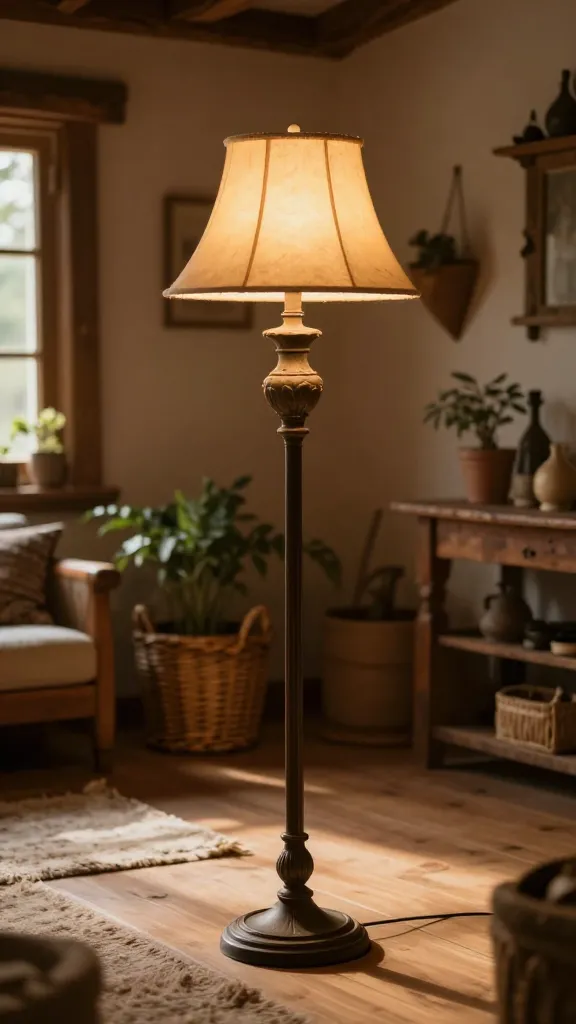
A vintage floor lamp adds height, character, and warm light that mirrors a sunlit cottage. Seek a lamp with a sturdy base, a fabric shade that’s not cracked, and a cord that feels safe to use.
Signs to Watch For
- Flickering bulb or a loose shade
- Cracked or yellowed plastic components
- Damaged or stiff power cord
How to Fix It
- Replace the shade with a neutral fabric one
- Replace the bulb with a dimmable LED equivalent
- Inspect the plug and cord; replace if frayed
What to Use Instead
- A simple plug-in dimmer switch if the lamp isn’t already dimmable
Takeaway: Aim for a lamp that casts warm, even light; prioritize safety over ornate aesthetics.
3. Painted Sideboard: Storage with Weathered Charm
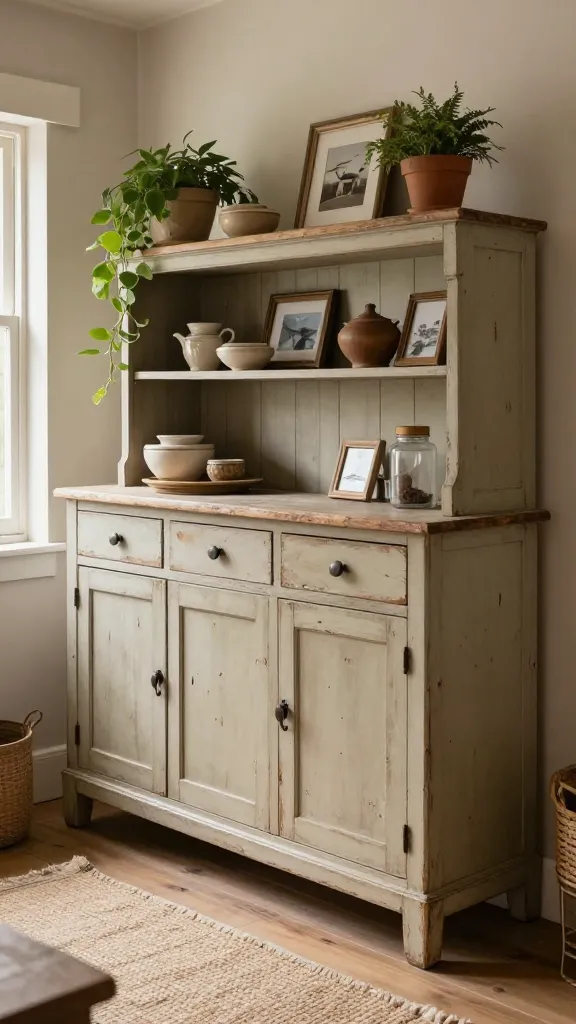
A painted sideboard offers storage plus a surface for greenery, ceramics, and photos. Choose a piece with doors or drawers that slide or open smoothly and a finish that isn’t peeling off in layers.
Signs to Watch For
- Loose drawer slides
- Cracks in panels or signs of wood rot
- Off-gassing or strong chemical smell indicating old paint
How to Fix It
- Oil or wax the wood if the paint is flaking; repaint if necessary
- Oil hinges and tighten screws
- Sand rough edges before refinishing
What to Use Instead
- Coordinating baskets or decorative crates for concealed storage
Takeaway: Pick a sideboard with clean lines and a finish you can refresh; you’ll gain practical storage with cottage vibes.
4. Antique Textile Cushions: Texture That Feels Hand-Touched
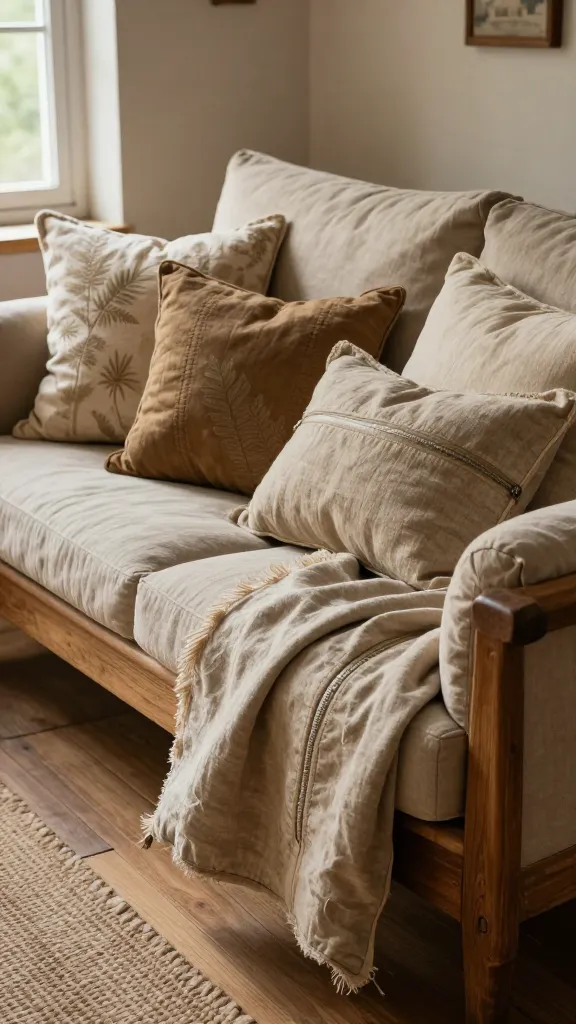
Textiles in earthy tones and natural fibers bring softness and depth to a room. Look for cushions with linen or cotton covers, sturdy zips, and patterns inspired by nature.
Signs to Watch For
- Pilling, loose threads, or fabric thinning
- Sagging or misshapen filling
- Unpleasant odors that won’t wash out
How to Fix It
- Wash covers inside out if care labels permit; air dry
- Replace worn fillings with natural fiber stuffing
- Trim loose threads and reinforce seams
What to Use Instead
- Naturally dyed cushions from a charity shop or thrifted textiles refreshed with dye bath
Takeaway: Choose cushions with natural fibers; they’re easy to refresh and instantly cozy your space.
5. Terracotta Planters: Rustic Containers for Greenery
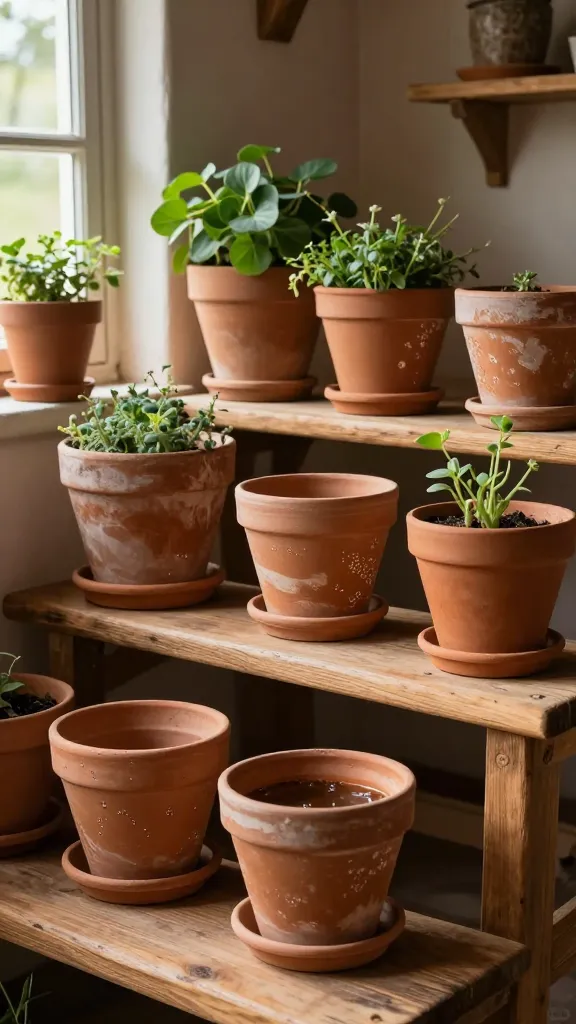
Terracotta pots deliver instant earthy texture and improve plant aesthetics. Inspect for cracks, a consistent thickness, and drainage holes that aren’t blocked.
Signs to Watch For
- Cracked rims or flakes breaking away
- Uneven thickness or glaze flaking
- Drainage holes obstructed by mineral deposits
How to Fix It
- Seal minor cracks with terracotta-safe sealant
- Rinse and clear holes; add a tray to catch water
- Pair small pots with saucers to protect furniture
What to Use Instead
- Ceramic or ceramic-glazed pots for cleaner lines if you prefer modern contrasts
Takeaway: Prioritize pots with drainage and a sturdy base; they anchor plants and prevent water damage.
6. Woven Baskets: Storage That Feels Handwoven and Practical
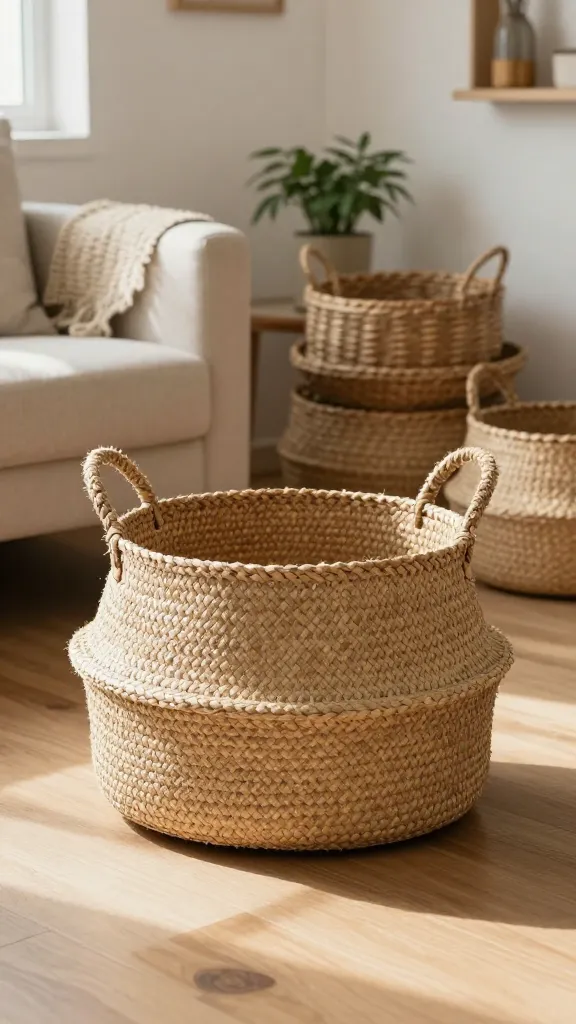
Woven baskets organize and soften a room’s edges. Pick baskets with tight weave, rigid bottoms, and natural fibers that won’t shed onto floors.
Signs to Watch For
- Loose handles or sagging sides
- Visible mold or musty smell
- Weak stitching or raveled edges
How to Fix It
- Trim frayed edges and use a fabric glue for reinforcement
- Air out baskets to eliminate odors
- Store textiles or lightweight items to preserve shape
What to Use Instead
- Sturdier woven totes with reinforced rims
Takeaway: Choose baskets with tight weave and sturdy bottoms to maximize storage and reduce clutter.
7. Rustic Framed Mirrors: Reflect Light and Extend Space
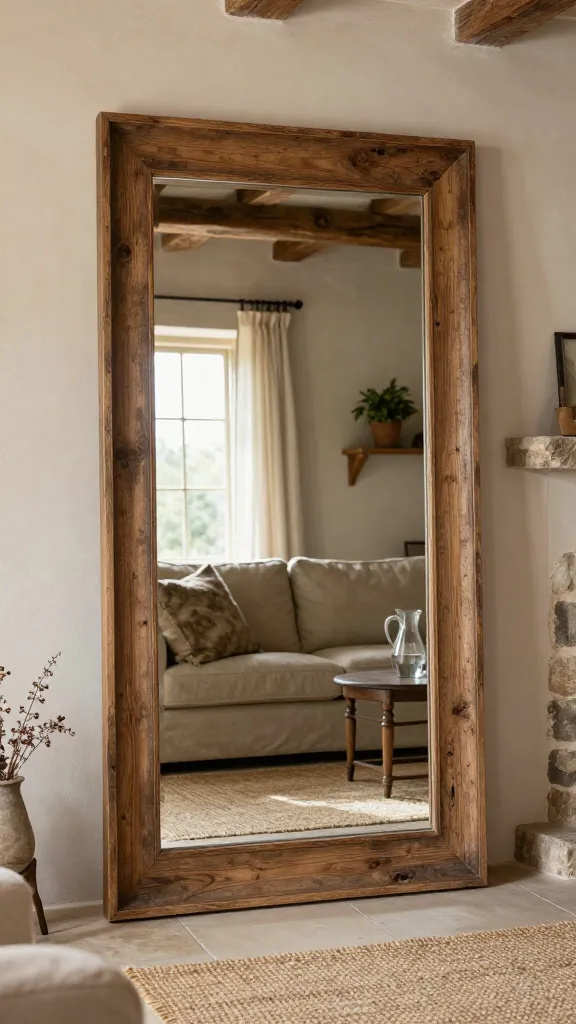
A mirror with a wooden or distressed frame amplifies natural light and adds cottage character. Ensure the glass is intact and the frame is solid without loose joints.
Signs to Watch For
- Cracks or chips in the mirror glass
- Loose or detached frame members
- Warped backing or discoloration on the backing board
How to Fix It
- Secure the frame with wood glue and small brads if needed
- Replace missing backing or add a fresh felt pad for stability
- Rehang with proper wall anchors for heavier frames
What to Use Instead
- Multiple small mirrors grouped for a collage effect
Takeaway: A well-placed mirror multiplies light and makes a compact space feel airier.
8. Vintage Ceramic Dishes: Subtle Accents for Shelves
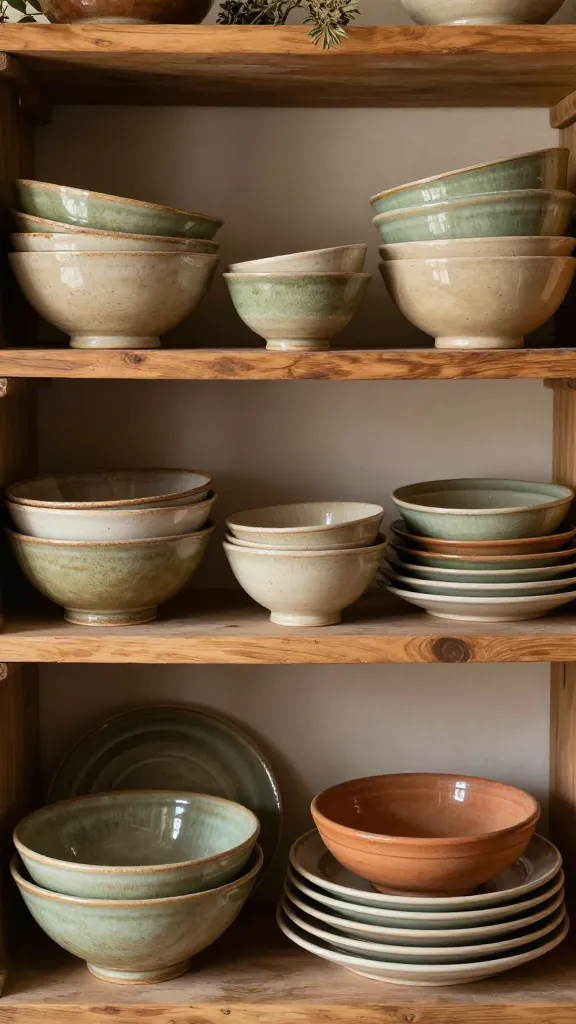
Stash vintage ceramic bowls and plates on shelves to create a curated, earthy vignette. Look for pieces with subtle glaze variations and no cracks.
Signs to Watch For
- Chips on rims or glaze crazing that hides dirt
- Unstable stack when placed on shelves
- Strong odors indicating older clay or glaze
How to Fix It
- Wipe with a damp cloth and mild soap; dry completely
- Display upright in a cabinet to avoid chips
What to Use Instead
- Mix-and-match smaller pieces for an informal display
Takeaway: Use a few well-chosen ceramic pieces to add texture without cluttering surfaces.
9. Linen-Covered Armchair: Comfort with Natural Fabric
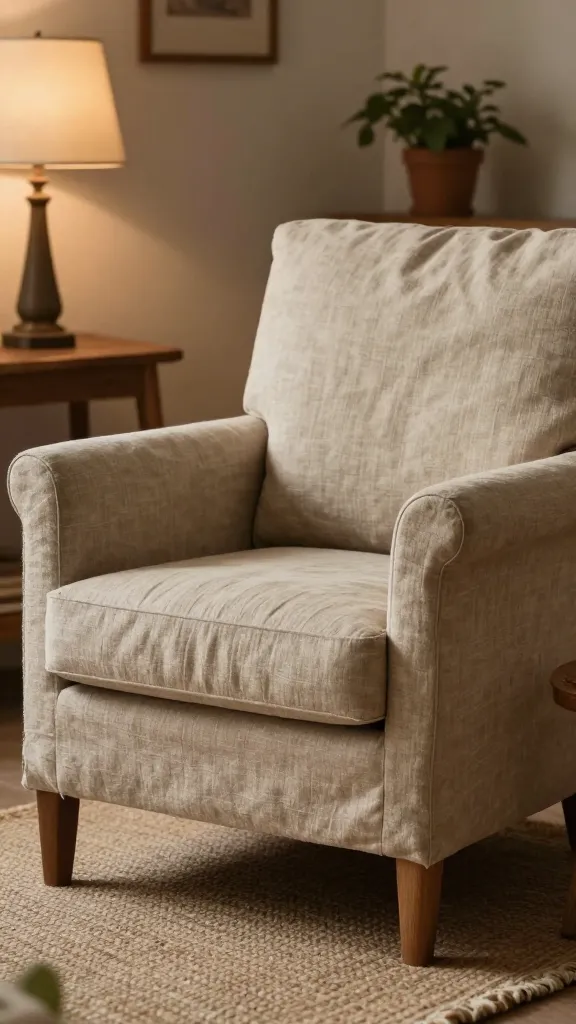
A linen or cotton-covered armchair anchors a reading nook with tactile, earthy vibes. Check frame integrity, padding evenness, and fabric cleanliness.
Signs to Watch For
- Sagging cushions or a creaky frame
- Stains or odors in upholstery
- Loose joints or wobbly legs
How to Fix It
- Repack cushions with high-density filler; re-cover with fresh linen if needed
- Tighten screws and apply wood glue to joints
- Steam clean or professionally clean fabric if stains persist
What to Use Instead
- A second-hand chair with a solid frame and a washable cover
Takeaway: Prioritize a sturdy frame and natural fabric; it’s the most durable path to a cozy reading corner.
10. Old Books and Plants on a Console: Narrative Shelving
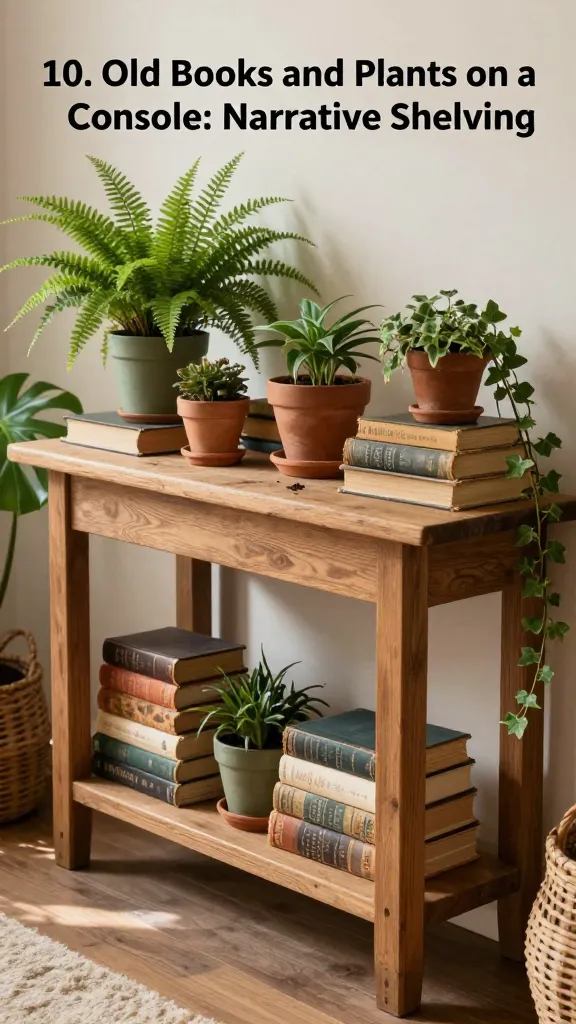
A console layered with old books and potted plants creates a lived-in, cottagey story. Inspect stability of the table, weight tolerance, and the condition of any plants being displayed.
Signs to Watch For
- Loose shelf supports or wobbly console legs
- Soil spills or pest signs in pots
- Damaged spines or mold on book pages
How to Fix It
- Reinforce legs or replace with a sturdier piece
- Inspect plants for pests and repot if needed using a good garden centre potting mix
- Dust books and wipe down shelves regularly to maintain freshness
What to Use Instead
- Open shelving for a casual, airy display
Takeaway: Combine a few vintage books with living plants to craft a warm, storytelling surface.
FAQ
What should I avoid when buying second-hand furniture for an earthy cottage style?
Avoid pieces with chronic warping, widespread mold, or structural instability. Focus on solid frames, secure joints, and clean, restorable finishes. Always test drawers and doors and confirm there are no hidden electrical hazards in lamps or outlets.
How can I tell if a painted piece is salvageable or a lost cause?
Check for flaking paint, extensive cracking, and soft wood beneath. If the paint is stable and you can refresh the surface with minimal effort, it’s salvageable. If you see persistent odor, soft spots, or deep rot, pass and look for something structurally sound.
What’s the best way to clean old textiles safely?
For covers labeled washable, use a gentle cycle with cool water and mild detergent. For non-washables, vacuum with a soft brush, spot-clean with a fabric-safe cleaner, and consider professional cleaning for stubborn stains. Always air dry to avoid shrinkage.
How do I judge a lamp’s safety before buying?
Inspect the cord for cracks, the plug for wear, and the switch for reliability. Test the switch by plugging into a known-good outlet and turning on and off. Replace any unsafe components or decline the purchase if wiring looks questionable.
Can I mix second-hand finds with new items?
Absolutely. Start with a cohesive palette of earthy tones and natural textures, then blend thrifted pieces with new basics like a neutral rug, a plant, or a simple lamp. The mix should feel intentional, not random.
What’s a quick, practical order for building this look?
1) Choose a solid anchor piece (like the reclaimed wood coffee table). 2) Add functional textiles (cushions, a throw). 3) Layer natural elements (plants, baskets). 4) Introduce a few vintage accents (lamp, ceramics). 5) Display with a light, cohesive color palette.
Conclusion
With a careful eye, second-hand finds can establish a warm, earthy cottage vibe without sacrificing practicality. Start with one anchor piece, then layer texture and plants for depth. Armed with these guidelines, you’re ready to hunt confidently and refresh your space without overspending.
Leave a Reply