8 Natural Display Ideas: Styling Stones, Seeds and Wood in an Earthy Home
· thehazelcottage@mail.com
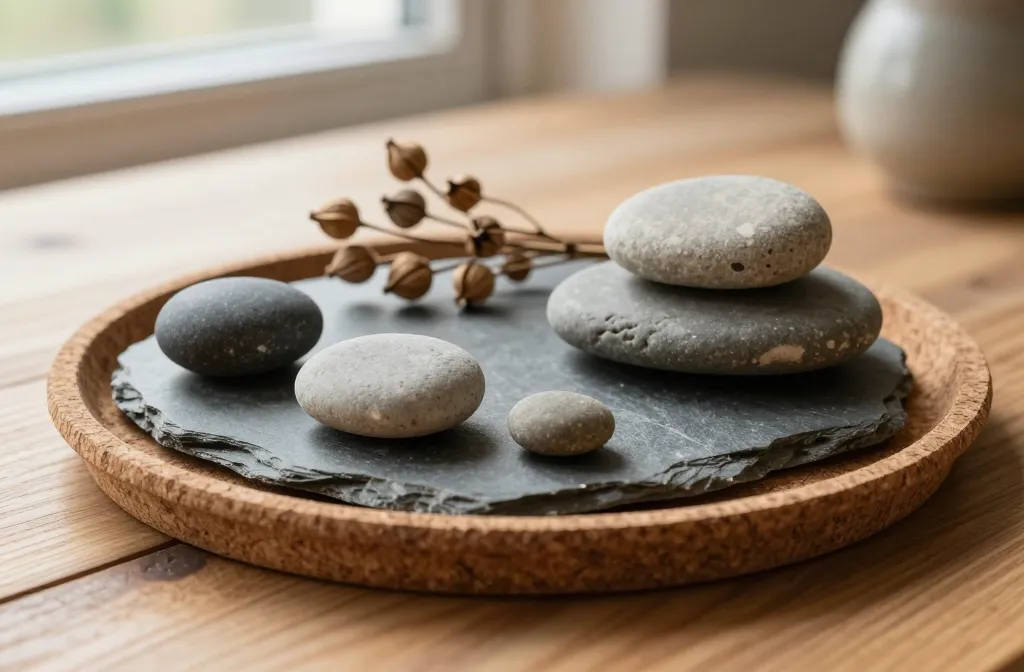
I’ve spent years rearranging my shabby apartment into a calm, earthy space using found stones, seed pods, and reclaimed wood. You can achieve the same warm, nature-forward vibe with simple displays that don’t require fancy gear. In this guide, you’ll learn eight practical display ideas, exactly how to set them up, and how to avoid common mistakes that make natural elements look amateurish.
1. Layered Stone Tabletops: Grounding Surfaces for Calm Vibes
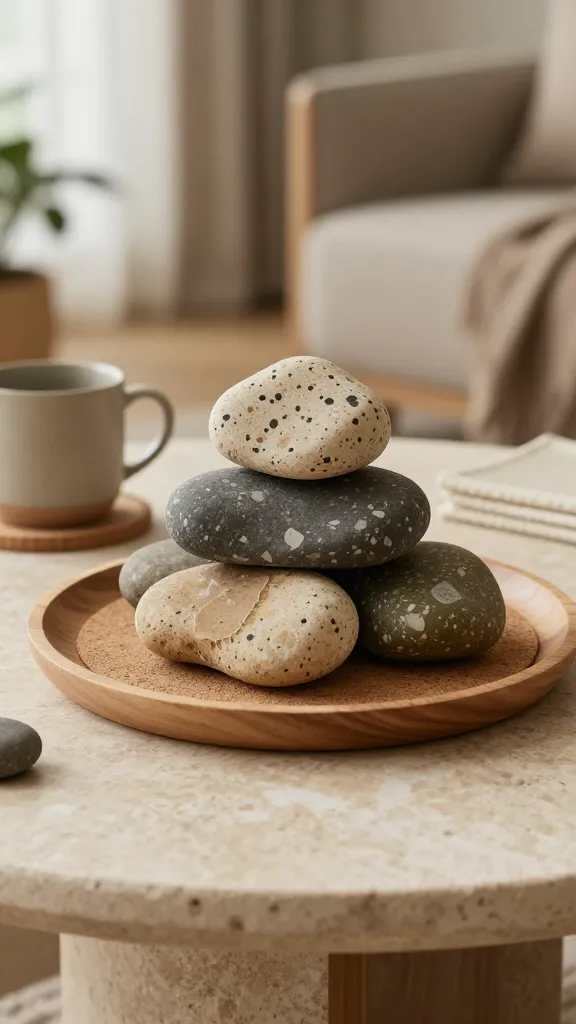
Layering stones creates texture and a sense of permanence on any coffee or side table. If the arrangement sits crowded, it can feel busy instead of soothing.
Signs to Watch For
- Flat stones shift or wobble when bumped
- Dust accumulates immediately around loose pieces
- Pattern looks chaotic rather than cohesive
How to Fix It
- Use a shallow tray or cork mat to secure stones and prevent movement
- Limit to 3-6 pieces with varied shapes for visual balance
- Finish with a thin layer of clear sealant if you regularly clean the surface
What to Use Instead
- A single, large slate tile as a base with 2-3 smaller stones arranged in a gentle arc
Takeaway: Build a stable, low-profile stone arrangement on a tray to anchor the room without visual clutter.
2. Seed Pods as Tiny Focal Bouquets: Texture Without Watering
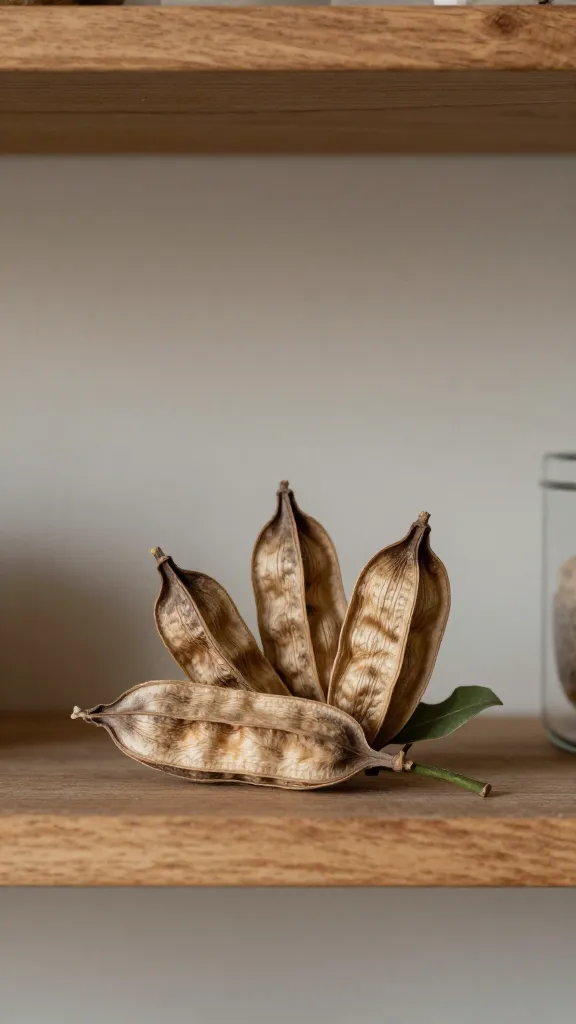
Dry seed pods keep their interest year-round and add architectural lines to shelves. The risk is overcrowding and dustier look if not tended.
Signs to Watch For
- Seed pods lose shape or collect dust quickly
- Arrangement blocks light from nearby plants
- Pods clash with metal or glass accents
How to Fix It
- Group pods in odd numbers of 3 or 5 for visual rhythm
- Place on a narrow shelf with indirect light; wipe weekly with a dry cloth
- Pair with a single green stem or dried leaf to soften edges
What to Use Instead
- A shallow vase or open wooden frame to display 4-6 pods neatly
Action today: Create a seed pod vignette on a mantel or bookcase using a small tray and a soft cloth for quick maintenance.
3. Wood Slices as Symmetrical Coasters for Plants and Candles
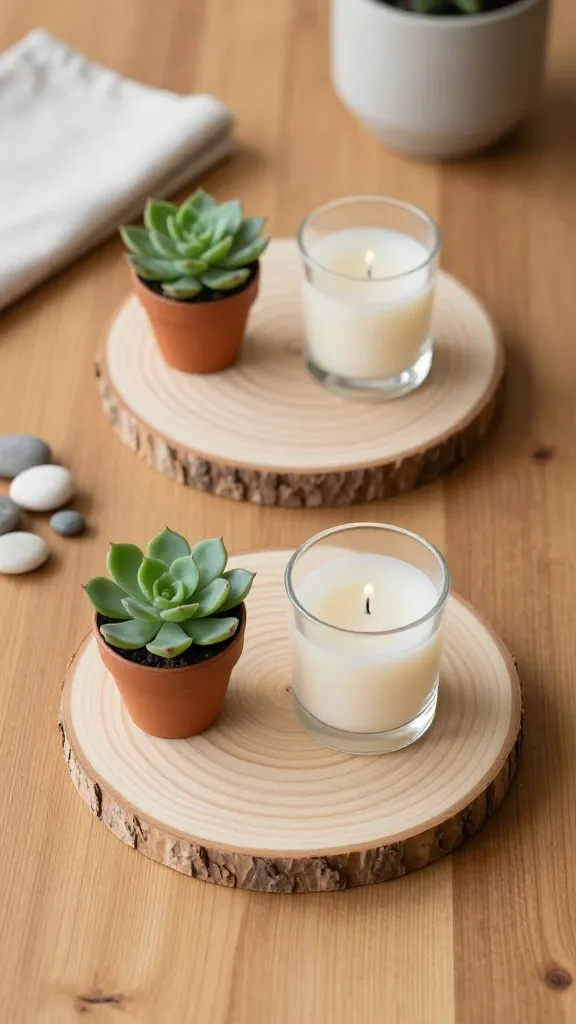
Wood slices offer natural warmth and tie disparate elements together. The problem is inconsistent sizing that looks sloppy.
Signs to Watch For
- Slices come in wildly different thicknesses
- Finish wears quickly where moisture touches
- Arrangement looks random rather than intentional
How to Fix It
- Sand and seal slices to create uniform edges
- Use slices with similar diameters (around 8–12 cm works well)
- Limit to 2–4 slices in a single display to keep balance
What to Use Instead
- Two identical wood slices on a tray, one holding a small plant and the other a candle or figurine
Takeaway: Choose uniform wood slices and create a tidy pair or trio to ground your display.
4. Moss and Pebble Terrariums: Small-Scale Nature Without Excess
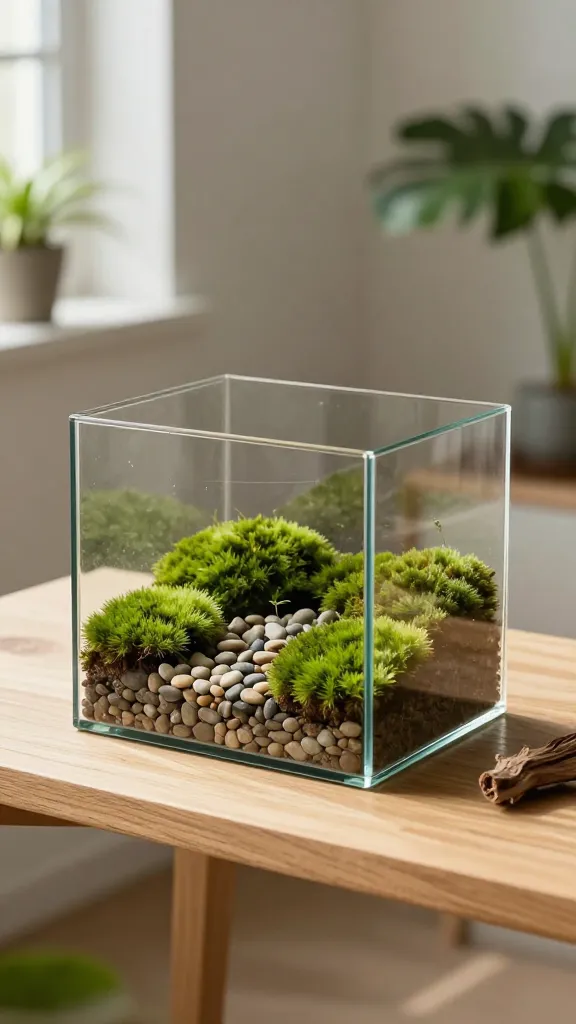
Mini terrariums with moss and pebbles look sophisticated, but they require careful moisture control and clean lines to avoid a damp, neglected vibe.
Signs to Watch For
- Condensation pooling on the glass and damp soil
- Discolored moss or soil smells musty
- Overcrowded interior that hides the decor
How to Fix It
- Aim for a shallow layer of sphagnum or moss over a bed of small pebbles
- Keep the amount of soil minimal; use 0.5–1 inch depth
- Place near bright indirect light; avoid direct sun that scorches moss
What to Use Instead
- A single 8–10 cm glass bowl with moss, a few pebbles, and a tiny seed pod accent
Action today: Refresh one moss display by replacing heavy soil with a lighter pebble top layer and wiping the glass clean.
5. Seed Bank Shelves: Vertical Displays for Natural Texture
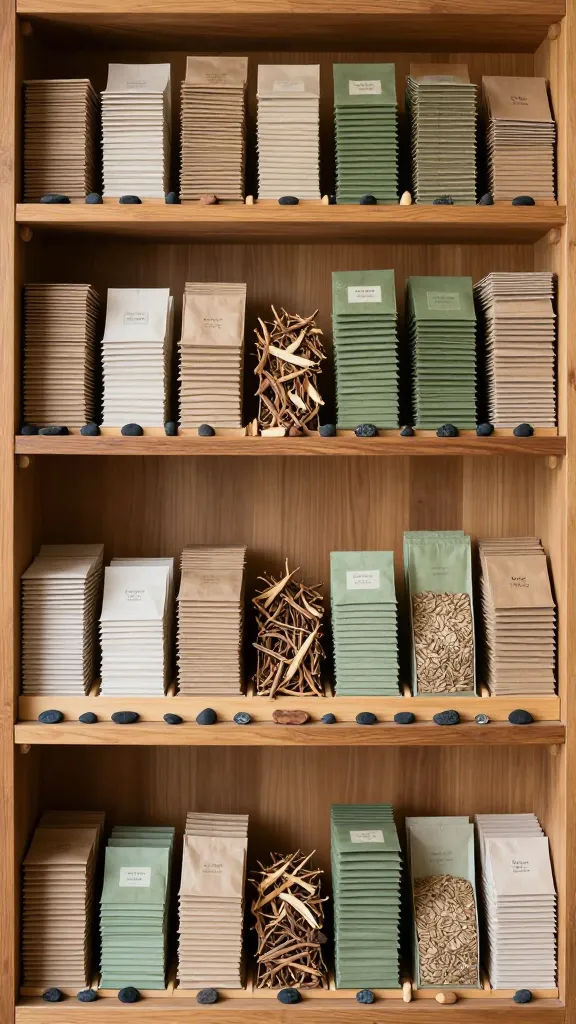
Vertical stacks of seed packets, dried pods, or small wood pieces create height and rhythm on a shelf. The mistake is stacking unevenly and creating a toppled look.
Signs to Watch For
- Items tilt when the shelf is touched
- Dust gathers on the topmost objects
- Display reads cluttered rather than curated
How to Fix It
- Mount a shallow display board or use a riser system to create levels
- Group items in three height levels: short, medium, tall
- Choose a single color accent (e.g., black stones with warm wood)
What to Use Instead
- A multi-tier display stand for a compact, organized vertical arrangement
Takeaway: Build height with simple risers and keep color and texture cohesive for a refined look.
6. Natural Color Palette: Stones, Seeds and Wood on a Neutral Backdrop
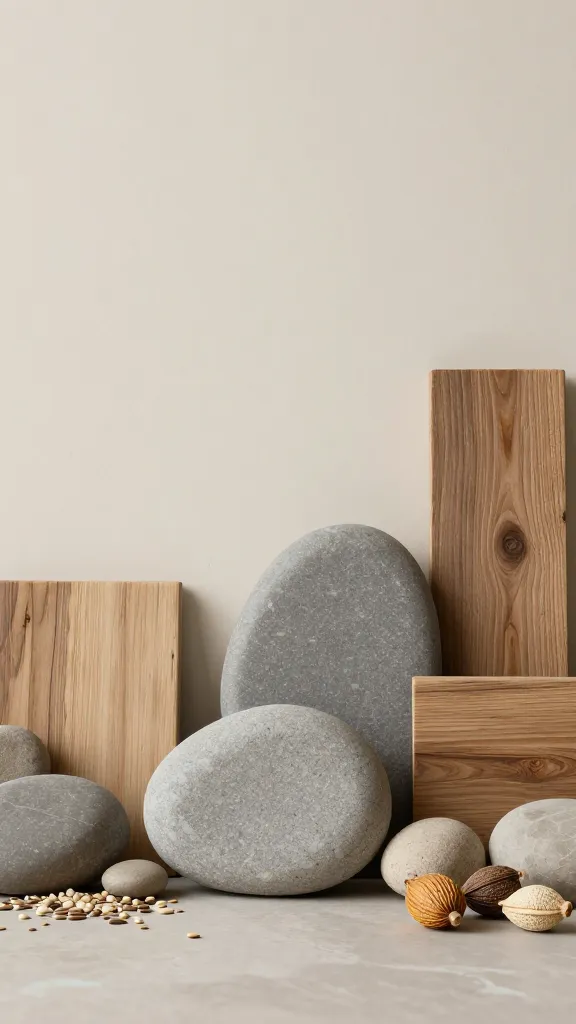
Color ties your pieces together. A mismatched palette makes even good materials look random.
Signs to Watch For
- Materials clash with wall color or furniture
- Too many earthy tones without contrast
- Yellowing seed pods or stained wood nearby
How to Fix It
- Choose a neutral backdrop (stone gray, warm taupe, or soft cream)
- Limit the palette to three base tones and one accent color
- Use a single material as a repeating motif (e.g., smooth stone with rough seed pod and matte wood)
What to Use Instead
- Pair light seed pods with dark slate stones and warm oak wood for balance
Action today: Redesign one display with a coherent color trio to unify the look across the room.
7. Lighting and Shadow Play: Use Natural Light to Enhance Textures
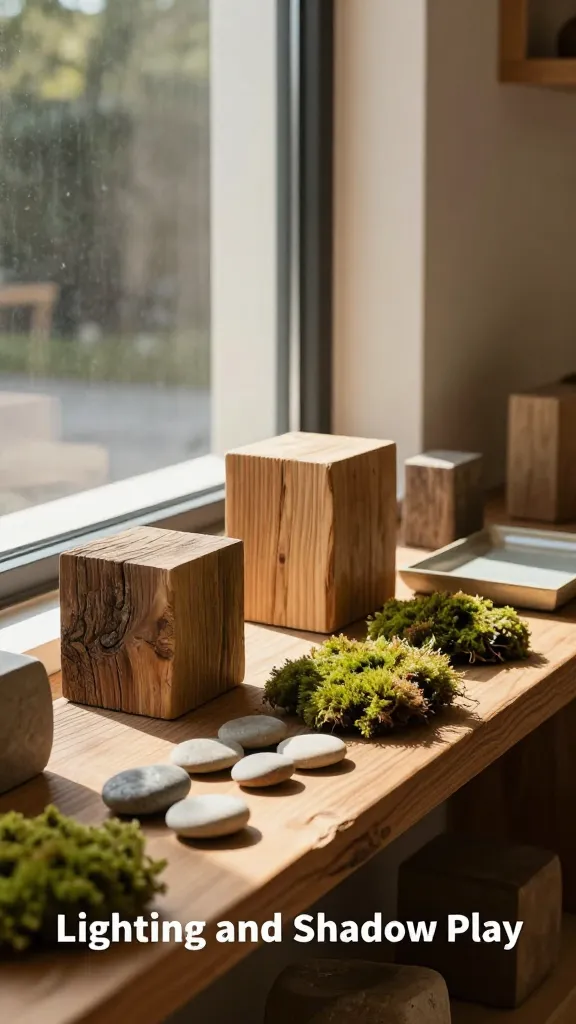
Natural light transforms rough textures into inviting surfaces. The pitfall is placing items where shadows obscure their best angles.
Signs to Watch For
- Direct sun fades wood or dries moss too quickly
- Shadows obscure important textures or shapes
- Display areas that sit in the dark for most of the day
How to Fix It
- Position displays near bright indirect light, not in direct sun
- Rotate pieces weekly to catch changing daylight
- Use a light-reflecting tray to brighten dull corners
What to Use Instead
- A mirrored tray or white-washed background to bounce light around
Takeaway: Let daylight reveal textures by placing displays where light is gentle and consistent.
8. Simple Rotation System: Keep Displays Fresh Without Extra Work
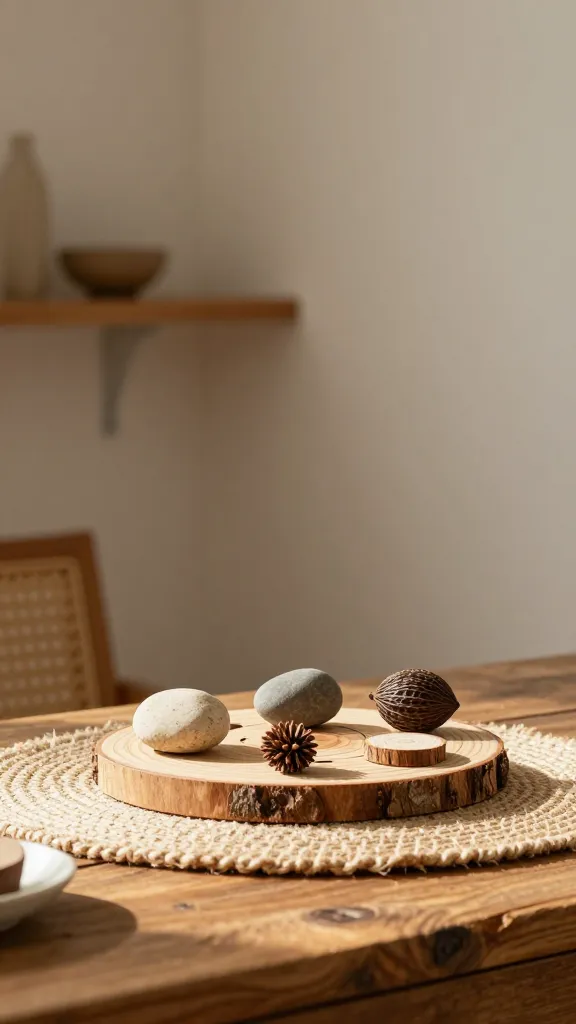
Rotating a few pieces keeps a space feeling new without buying more material. The issue is forgetting to rotate, leaving parts stagnant and dull.
Signs to Watch For
- Display feels stale after a few weeks
- Some pieces always look better than others in the same spot
- Regular cleaning is neglected because nothing seems new
How to Fix It
- Schedule a 10-minute rotation every two weeks
- Swap positions of a stone pair, a seed pod, and a wood slice
- Note what works on a small board to guide future changes
What to Use Instead
- A simple checklist card on the back of the cabinet to remind you what to move
Action today: Pick two pieces to swap locations this weekend to refresh the room’s rhythm.
FAQ
What is the best place in a small apartment for these displays?
Pick a bright indirect-light area like a near-window shelf or top of a dresser. Keep displays at eye level for easy viewing and to avoid blocking natural light for other plants.
How often should I dust natural decorative pieces?
Dust once a week with a soft brush or cloth. This prevents buildup that hides textures and makes your display look neglected.
Do I need to seal wooden pieces if they’re indoors?
Light sealing with a clear matte finish helps protect wood from humidity and wear. Use a water-based sealant and let it dry fully before placing back on display.
Can I mix real plants with these displays?
Yes, but keep real plants separate from the decorative natural items to avoid excess moisture near grain or porous wood. Use one plant with a simple stone and wood accent for cohesion.
What should I do if something looks cluttered?
Remove the least important item and re-balance the group. Aim for a tidy, intentional arrangement with 3–6 items per display.
How do I clean seed pods without damaging them?
Dust gently with a soft brush and wipe any stubborn residue with a dry microfiber cloth. Avoid water on fragile seed pods to preserve their shape.
Conclusion
With a few simple, steady tweaks, you can craft eight natural displays that feel grounded, calm, and distinctly you. Start with one idea, keep it simple, and let your space evolve as you discover what resonates most.
Leave a Reply