10 Dried Botanical Arrangements That Look Earthy, Not Crafty
· thehazelcottage@mail.com
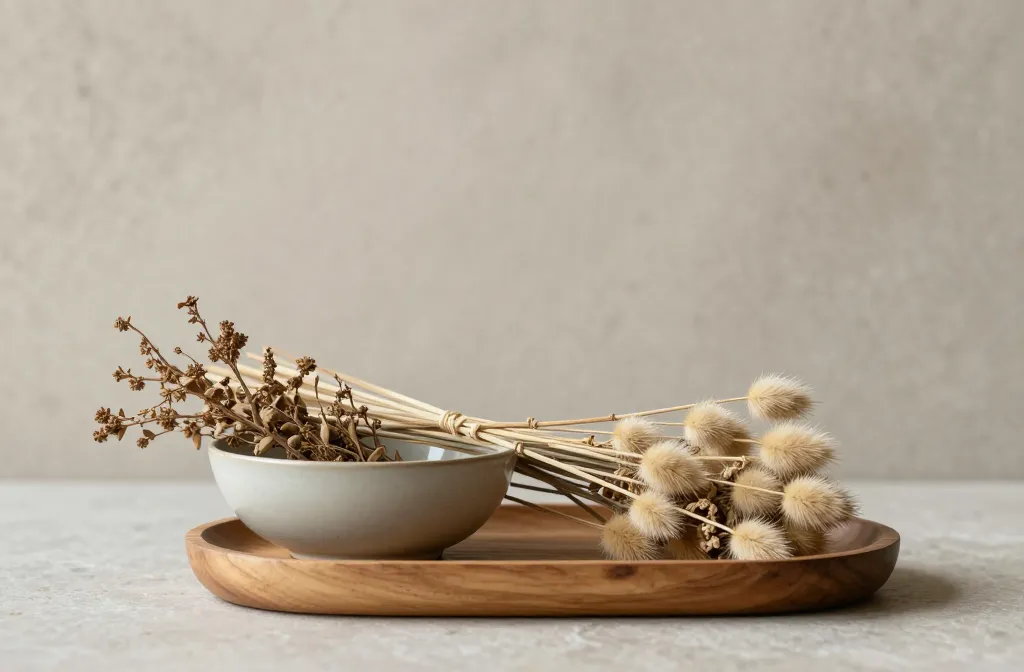
From my first apartment to now, I’ve learned that dried greens can feel warm and grounded—without tipping into “craft project” territory. You’ll discover ten earthy arrangements that vibe like nature, not a DIY store aisle. Below, I break down common missteps, how to fix them, and clear, actionable choices you can make this weekend.
1. Excessive Color Mismatch: The Color Clashes That Read Busy, Not Calm
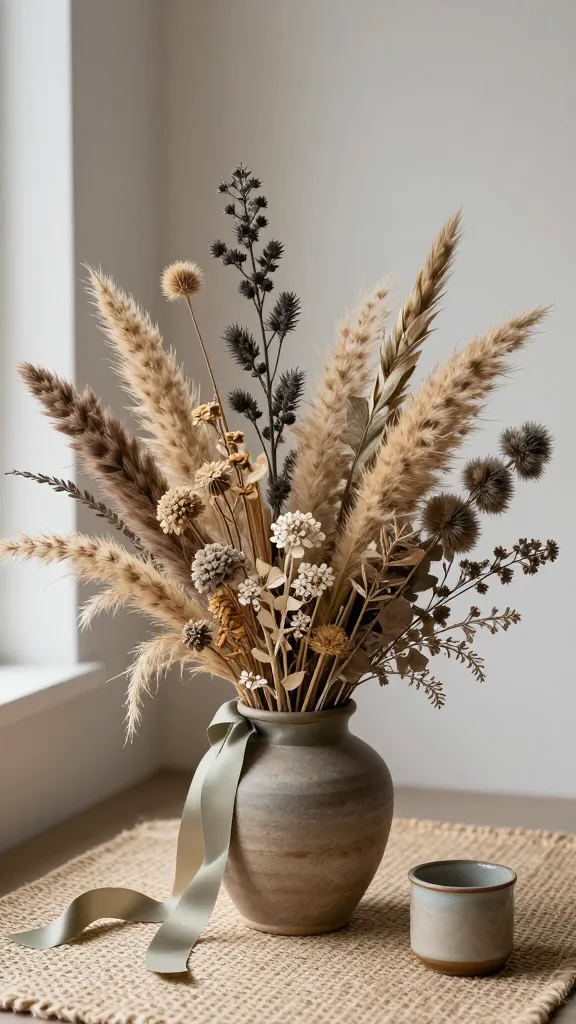
When dried stems clash with flashy ribbons or neon containers, the arrangement loses its earthy elegance. The eye jumps around instead of resting on the textures and tones. The result is a space that feels busy rather than grounded.
Signs to Watch For
- Bright plastic accents competing with natural tones
- Too many different hues in a single arrangement
- Plastic fillers that look out of place among botanicals
How to Fix It
- Choose a cohesive color palette: 3–4 earthy tones (ochre, sage, taupe, charcoal).
- Pair dried stems with a simple, natural container (stone, wood, or matte ceramic).
- Use neutral filler materials like pampas seed heads or wheat stems sparingly.
What to Use Instead
- A single color family for stems (e.g., warm browns and creams).
- A low-profile vase or a shallow bowl to keep the arrangement intimate.
Takeaway: Build with a restrained palette and a simple vessel to preserve an earthy, calming mood.
2. Overcrowded Arrangements: Too Much Stuff Crowding the Frame

When you jam a dozen different dried elements into one vessel, you lose texture and shape. The arrangement reads as cluttered rather than curated, making the space feel chaotic.
Signs to Watch For
- More than three distinct stem textures in one display
- Stems poking out at odd angles
- Cramped container with little negative space
How to Fix It
- Limit to 5–7 stems per arrangement, focusing on silhouette and texture.
- Use negative space deliberately; let some air around focal stems.
- Rotate elements seasonally to refresh without adding clutter.
What to Use Instead
- One dominant stem (e.g., palm leaf fronds) with 2–3 supporting textures.
Takeaway: Favor deliberate sparseness over maximum filling to maintain an earthy calm.
3. Dull Textures: Lack of Contrast Makes Arrangements Flat
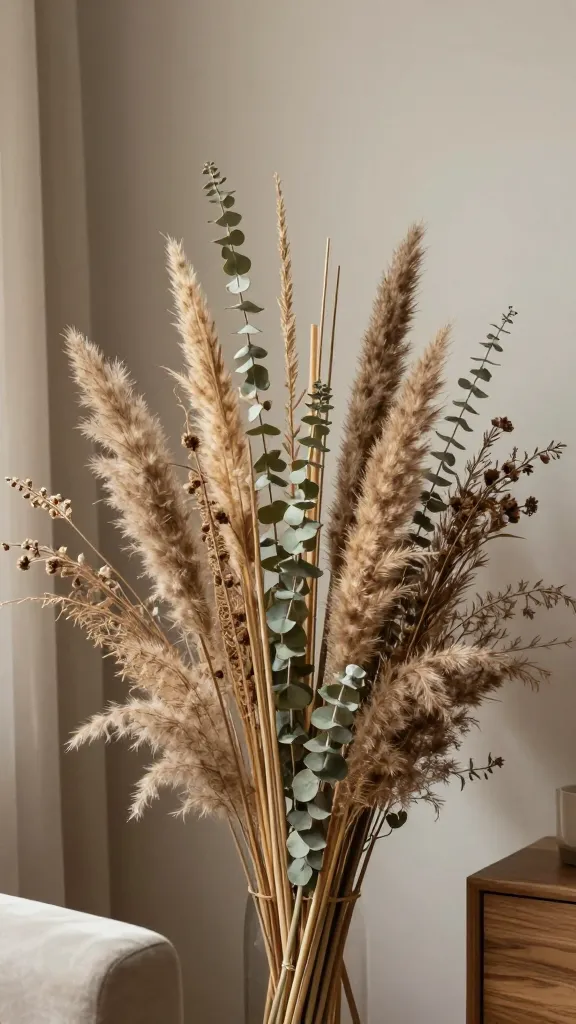
Flat-looking dried pieces flatten the visual interest. Without variation in texture, shadows and light don’t play, and the piece feels like a pressed souvenir instead of a living room companion.
Signs to Watch For
- All stems with the same surface texture
- No visible stems rising above the base layer
- Little to no shadow play around the arrangement
How to Fix It
- Mix soft, feathery textures with sturdy, architectural stems.
- Alternate vertical heights to create a natural, garden-like rhythm.
- Incorporate a few dried grasses for delicate movement.
What to Use Instead
- Feathery grasses, seed pods, and palm fronds alongside rigid branches.
Takeaway: Build contrast in texture to evoke an earthy, tactile feel.
4. Inconsistent Drying: Wet-Looking Stems That Spoil the Aesthetic
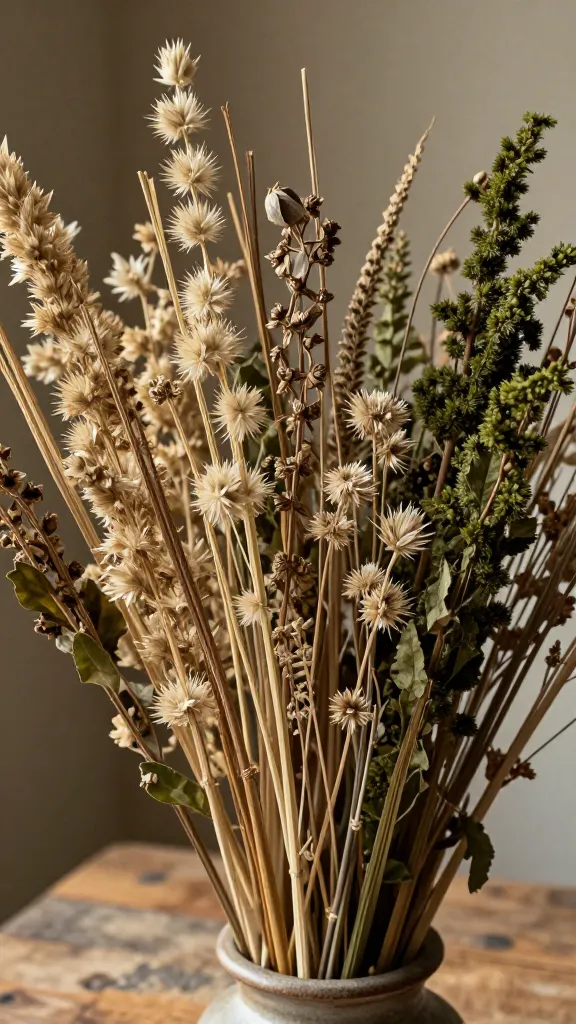
Stems that look damp or clingy undermine the earthy vibe. Improper drying leaves them soft and dull, which reads as unfinished rather than intentional.
Signs to Watch For
- Stems with a slight sheen or oily appearance
- Soft spots or bendy tips even after weeks of drying
- Preserved color that looks muddy rather than crisp
How to Fix It
- Air-dry stems in a dark, warm area with good airflow for 1–2 weeks depending on thickness.
- Trim moisture-prone ends and store in a cool, dry place after drying.
- Avoid stacking heavy stems while drying to prevent deformation.
What to Use Instead
- Thin, pliable stems for longer drying without collapsing the form.
Takeaway: Ensure stems are thoroughly dry before design to keep the earthy look crisp.
5. Off-Center Focal Point: The Eye Doesn’t Know Where to Rest
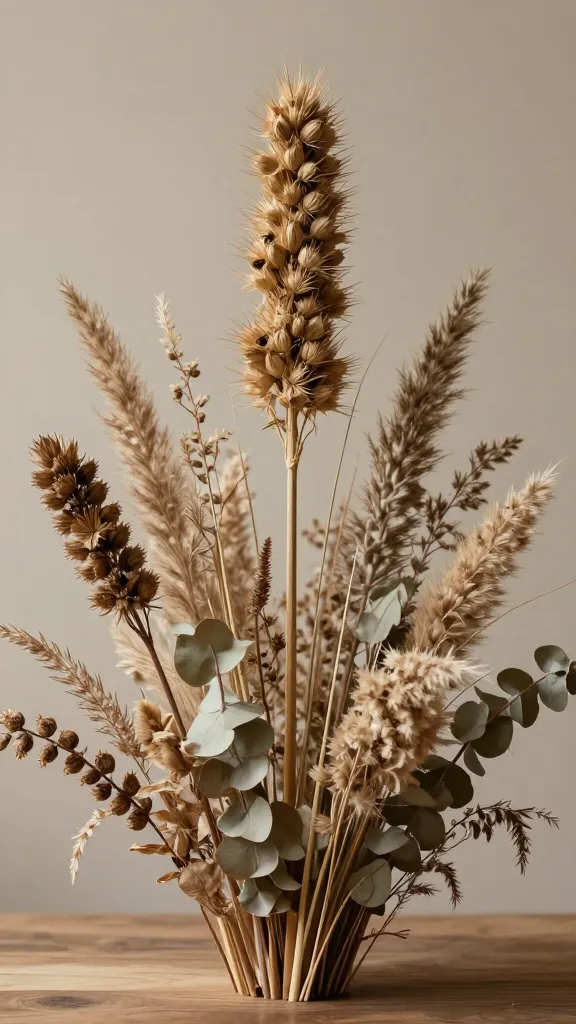
An arrangement without a clear focal point feels unfinished. The eye bounces from one element to another and never lands, which destroys the grounded, natural impression.
Signs to Watch For
- No single element dominates the arrangement
- All stems are the same height, creating a flat plane
- Mousey color values with no standout piece
How to Fix It
- Choose a dominant stem or seed head as the anchor, build around it with supportive textures.
- Place the anchor slightly off-center for a natural feel.
- Lift lower stems slightly with a spacer to create depth.
What to Use Instead
- A single tall palm leaf or stately reed as the visual anchor.
Takeaway: Establish a clear focal point and arrange supporting elements around it for a cohesive, earthy look.
6. Improper Container Choice: Too-Glossy or Too-Large for the Scale
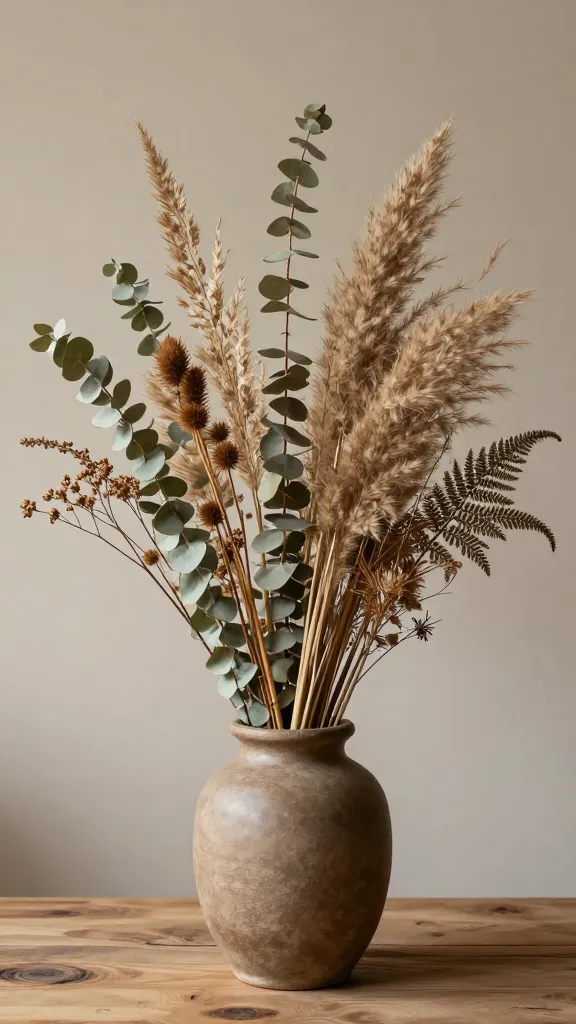
The vessel can either shout or vanish. A glossy container or an oversized vase steals attention from the botanicals, breaking the earthy balance.
Signs to Watch For
- Highly reflective surfaces dominating the display
- Container is wider than the arrangement’s base, causing instability
- Container color clashes with natural tones
How to Fix It
- Opt for matte finishes in stone, ceramic, or terracotta.
- Choose containers that complement the height and width of the stems.
- Keep vessels simple and neutral to let botanicals shine.
What to Use Instead
- A shallow bowl or a narrow-neck vase in muted earth tones.
Takeaway: Let the container recede; the dried plants should be the stars.
7. Moisture Buildup Near the Base: Safety and Aesthetics Compromise
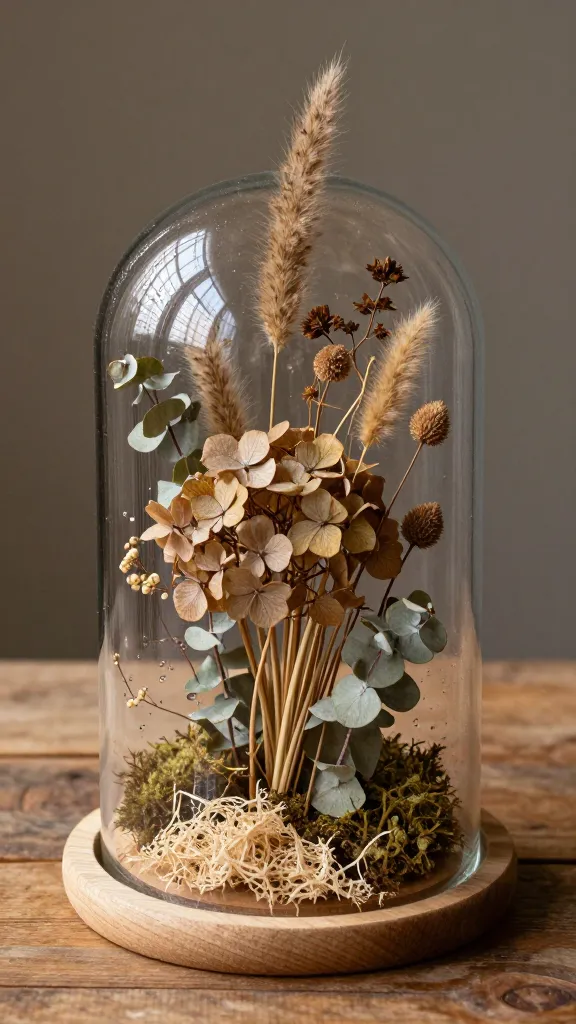
Moisture around the base invites mold and an unhealthy odor, and it undermines the organic charm you’re after. It also reduces the shelf-life of the arrangement.
Signs to Watch For
- Condensation on the inside of the container walls that never clears
- Soft, damp soil or base elements
- Felt or moss remains damp after several days
How to Fix It
- Elevate stems slightly above the base using a grid or spacer so air can circulate.
- Line the bottom with a breathable, natural mat or dry moss that dries quickly.
- Keep the display in bright indirect light to promote gentle drying between checks.
What to Use Instead
- Natural drying mats and air pockets that maintain dryness at the base.
Takeaway: Promote airflow and keep the base dry to preserve both aesthetics and longevity.
8. Seasonal Stale Look: Arrangements that Don’t Evolve with Seasons
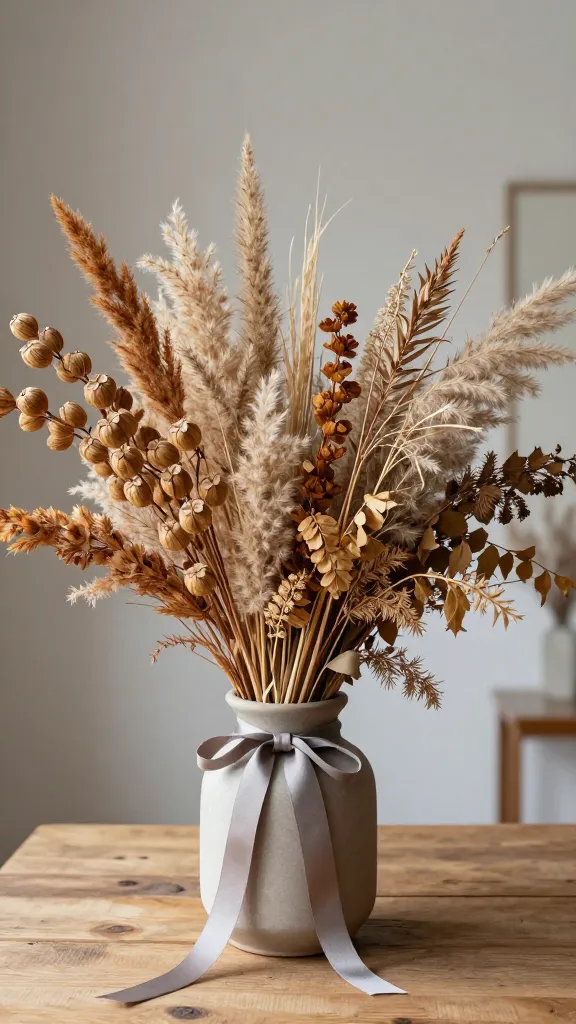
One-and-done arrangements can feel dated within weeks. A truly earthy aesthetic benefits from subtle, season-appropriate updates without full rework.
Signs to Watch For
- Same stems used for months with no variation
- Color range doesn’t reflect current season
- Containers and displays look tired or outdated
How to Fix It
- Rotate 1–2 stems with seasonal foliage (e.g., dried grasses in autumn, seed pods in winter).
- Refresh with a new neutral container or a simple ribbon in a muted tone—only if needed.
- Rearrange the stems to create a refreshed silhouette every 6–8 weeks.
What to Use Instead
- Two or three stems swapped out seasonally for continuity
Takeaway: Subtle seasonal updates keep the earthy vibe fresh and relevant.
9. Incompatible Heights: Short, Squat Stems Ground the Display Too Much
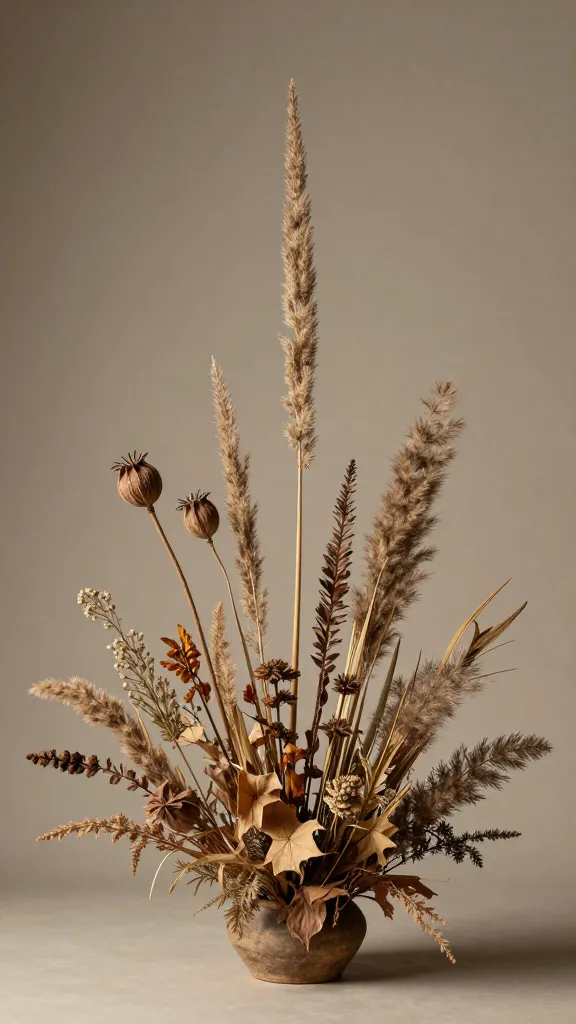
When all stems are the same short height, the arrangement sits flat and looks confined. A natural, earthy arrangement should mimic a small garden’s vertical rhythm.
Signs to Watch For
- All elements lie near the base with no vertical interest
- Don’t see a gentle rise and fall in the composition
How to Fix It
- Incorporate a few taller stems to create a layered effect.
- Place the tallest stem slightly off-center to create movement.
- Balance with medium-height accents around the base.
What to Use Instead
- One tall palm frond with shorter filler stems.
Takeaway: Use height variation to echo a natural, garden-inspired feel.
10. Maintenance Blindness: Neglecting Gentle Care That Keeps Dry Arrangements Fresh
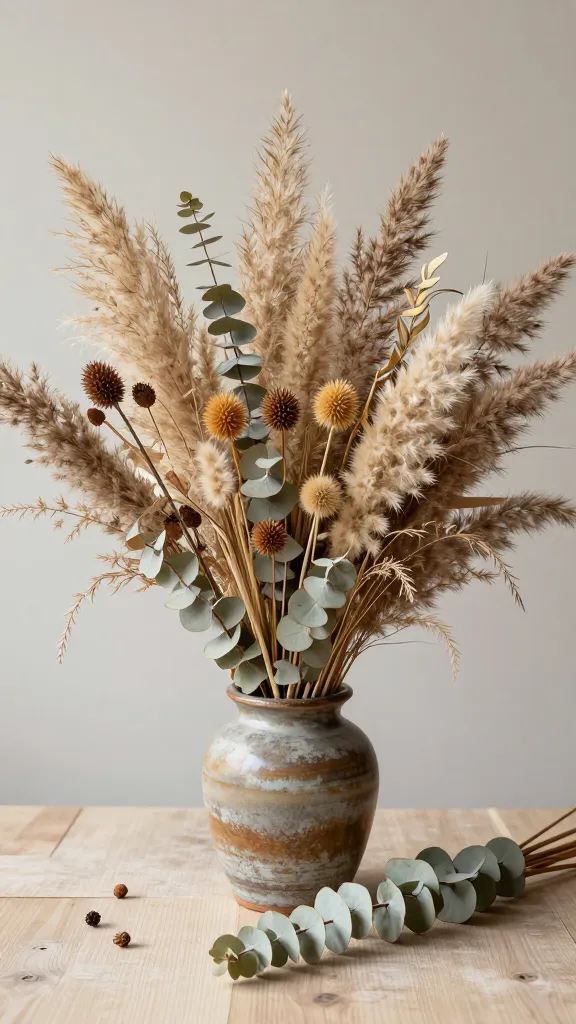
Dried arrangements thrive with light maintenance. Ignoring them leads to dust build-up, color dulling, and a shorter visual life.
Signs to Watch For
- Dust collecting on leaves and seed heads
- Color fading or browning at the tips
- Accumulated debris that hides texture
How to Fix It
- Dust gently with a soft brush or a microfiber cloth every 2–3 weeks.
- Avoid direct sunlight to prevent fading; keep in bright indirect light.
- Refresh once or twice a year by swapping a portion of stems.
What to Use Instead
- Occasional gentle cleaning and light rotation of stems for longevity
Takeaway: Regular, light maintenance keeps earthy dried arrangements looking focused and alive.
Frequently Asked Questions
How do I choose the right dried stems for an earthy look?
Start with a base of neutral tones such as beige, taupe, and warm browns. Add texture with seed heads, feathery grasses, and hardy palm fronds. Avoid overly glossy finishes and too many colors. Aim for 3–4 colors and 3–5 textures at most.
Can I use fresh elements with dried arrangements?
Mixing a small amount of preserved greenery with dried stems can add life, but keep it controlled. Use fresh elements only as accents and remove them once they wilt to preserve the earthy balance.
What are the best containers for an earthy look?
Choose matte ceramic, stone, or wood-toned vessels. Avoid high-gloss plastics and bright colors; let the botanicals take center stage.
How long do dried arrangements last?
Properly dried stems can last 6–12 months or longer with occasional dusting and minimal moisture exposure. Rotate a few pieces every few months to refresh the look.
Should I seal dried arrangements?
Generally, avoid sprays that alter color or texture. If you must, use a light, clear, matte sealant designed for dried botanicals and test on a small piece first.
How do I create a cohesive collection of dried arrangements?
Use a shared color palette, varied textures, and consistent vessel styles. Maintain similar spacing and height ranges across pieces so they can live as a coordinated group.
Conclusion
Earthy, dried arrangements are accessible and deeply satisfying when you keep textures honest and forms simple. With these ten considerations, you can curate serene, natural spaces that feel cultivated, not crafty. Ready to refresh your shelves? Start with one focal stem and a neutral container, then build from there.
Leave a Reply