10 Earthy Home Styling Ideas to Try Each Season
· thehazelcottage@mail.com
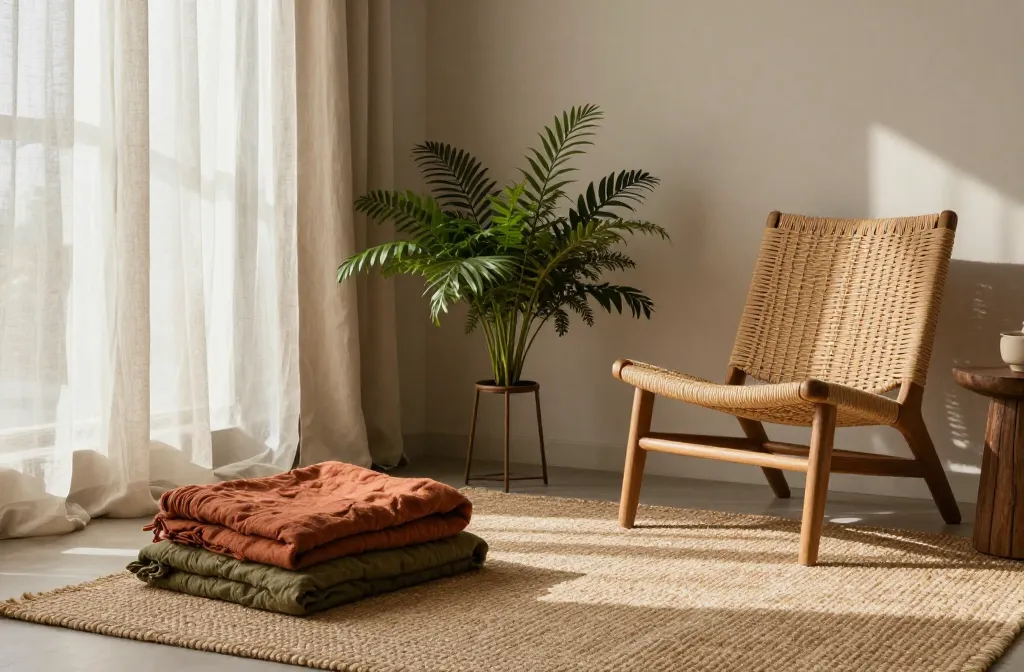
I’ve rearranged my apartment to reflect the changing seasons, and the difference is tangible: calmer winters, brighter springs, cozier autumns, and cooler summers. You don’t need a redesign budget to get the same feel. This guide walks you through practical, earthy styling ideas you can try now, tailored for small spaces and common tools from any garden centre.
1. Layer Textures for Seasonal Harmony: Soft Weaves, Rattan, and Linen
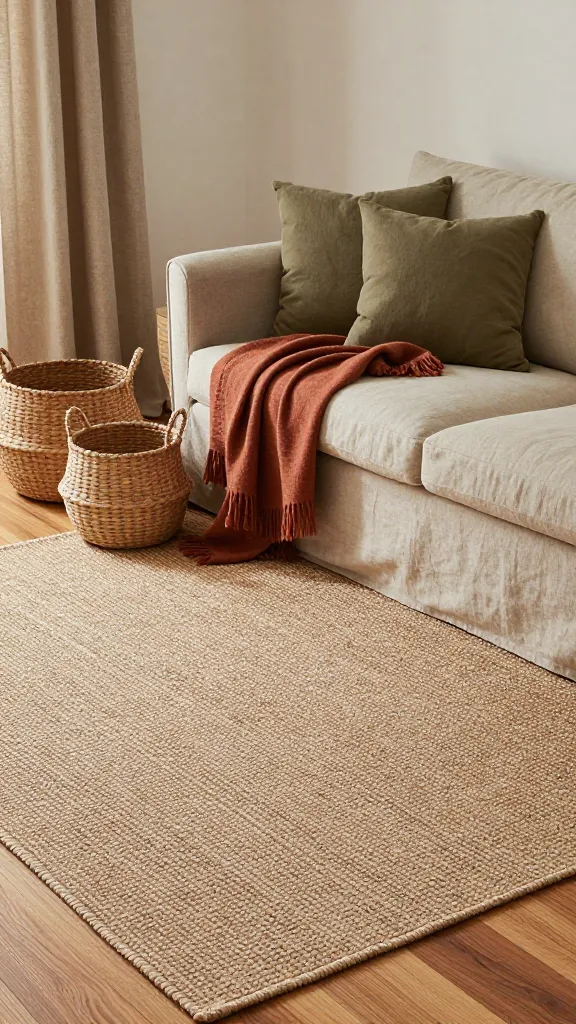
<pWhen you layer natural textures, your space instantly feels grounded and seasonal. A mix of jute rug, linen curtains, and a few rattan accents creates warmth without clutter.
Signs to Watch For
- Spaces feel flat or cold in winter or flat in summer
- Too many hard surfaces without warmth
- Textures clash rather than harmonize
How to Fix It
- Add a neutral, textured rug (e.g., jute or sisal) 4×6 feet for a small room.
- Introduce linen throw blankets and cotton cushion covers in earthy tones (terracotta, sand, olive).
- Place 1-2 woven baskets to add organic form and storage.
What to Use Instead
- Choose natural fibers from a garden centre or home store—no specialty dyes or finishes needed.
Takeaway: Create a tactile backbone by layering 2-3 earthy textures and swap seasonal textiles every 3–4 months.
2. Greenery as a Seasonal Accent: Seasonal Foliage, Not Overgrowth
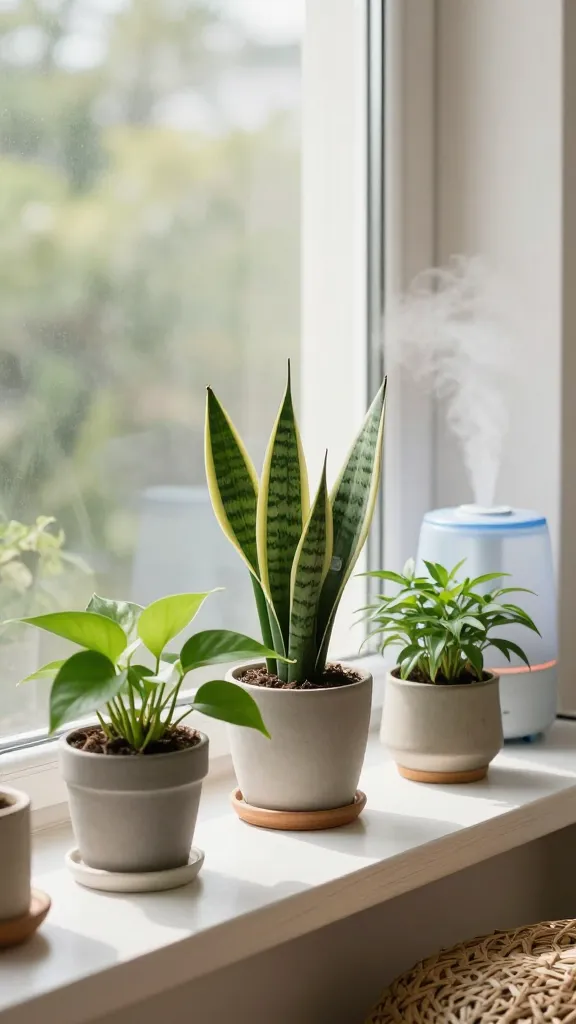
Plants bring life year-round, but the key is balance. A few well-chosen specimens change with the season and require modest care.
Signs to Watch For
- Overcrowded shelves with little air around plants
- Foliage leaning toward a window and stretching for light
- Brown tips on leaves from dry indoor air
How to Fix It
- Group 3–5 compact plants (e.g., pothos, snake plant, ZZ plant) on a bright windowsill.
- Rotate plants seasonally to even out light exposure.
- Use a simple humidifier session or a pebble tray under a few pots to improve humidity.
What to Use Instead
- Replace crowded shelves with 1–2 larger statement plants and 2–3 smaller accents.
Takeaway: Refresh plant placement with a seasonal rotation every 6–8 weeks to maintain a lively, earthy vibe.
3. Warm Wood Tones: Swap in Natural Wood Furniture and Accessories
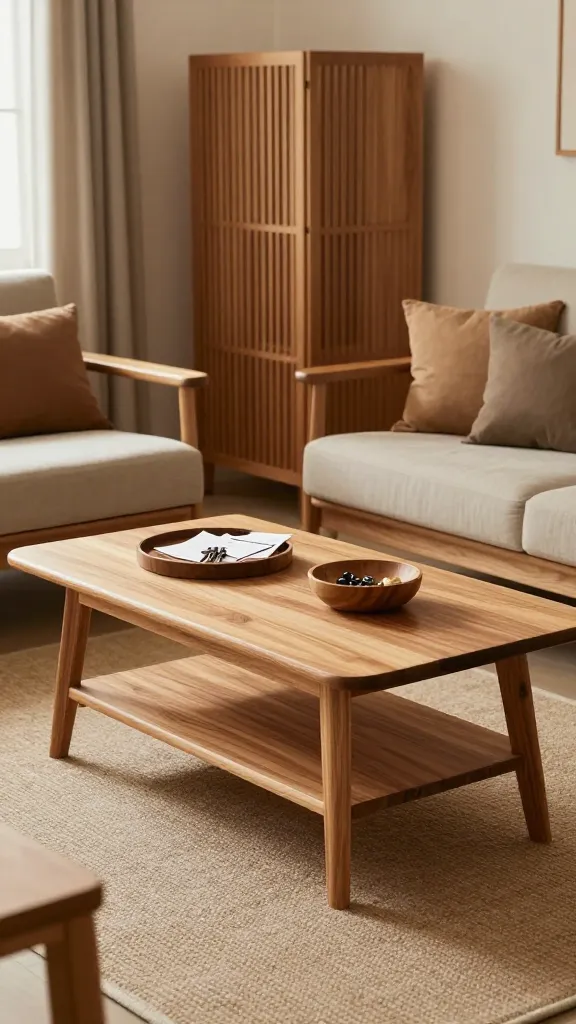
<pNatural wood instantly grounds a room. Even small tweaks, like a coffee table with live-edge detail or a simple wooden picture frame, shift the mood toward earthy warmth.
Signs to Watch For
- Dark, glossy surfaces feel cold and sterile
- Plastic or metal dominates the space
- Edges and corners look sharp rather than inviting
How to Fix It
- Introduce a light to mid-tone wood coffee table or side table from a garden centre’s furniture section.
- Use wooden trays or bowls to corral keys, mail, or decor pieces.
- Opt for a folded wood screen or slatted panels to soften walls.
What to Use Instead
- Look for FSC-certified or reclaimed wood pieces to keep cost and environmental impact low.
Takeaway: Add two wood-toned pieces this season and switch out any harsh plastics for natural materials.
4. Earthy Palette: Build Color with Clay, Sage, Clay, and Stone
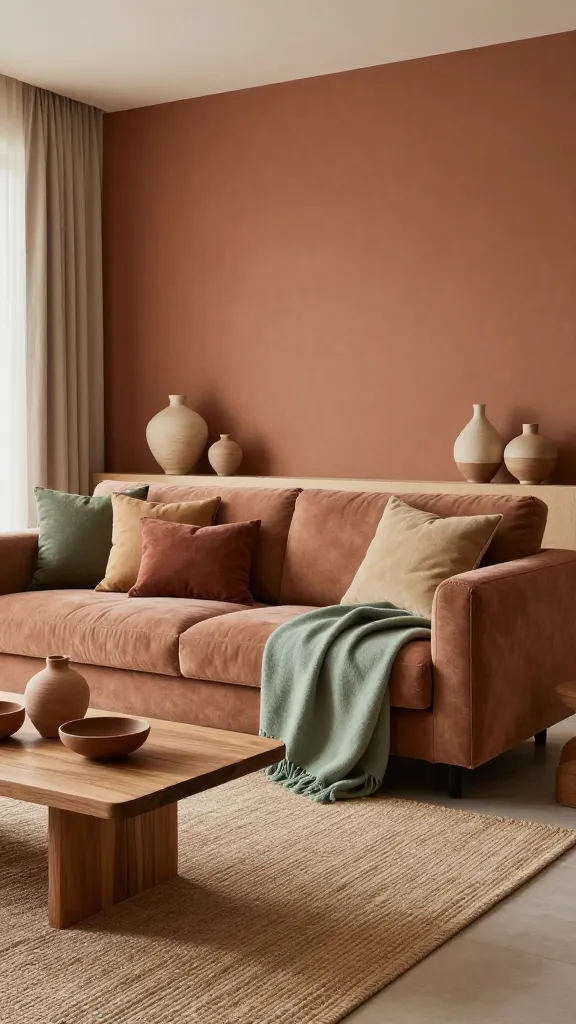
Earth tones create a cohesive, season-appropriate backdrop. Start with a neutral base and layer with a few olive, terracotta, or sand accents.
Signs to Watch For
- Rooms feel visually cluttered due to too many competing colors
- Walls look sterile or too bright for the furnishings
How to Fix It
- Paint one accent wall in a warm clay or sage tone or add a large textile in these hues.
- Switch out throw cushions to a coordinated palette: 2–3 tones max.
- Choose decorative items like vases in matte ceramic finishes.
What to Use Instead
- Utilize existing pillows and throws first; introduce new color with a single plant pot or rug.
Takeaway: Establish a 2-color narrative per season and keep everything else in the same family for a calm, earthy look.
5. Seasonal Lighting: Layer Warm, Soft Light with Natural Elements
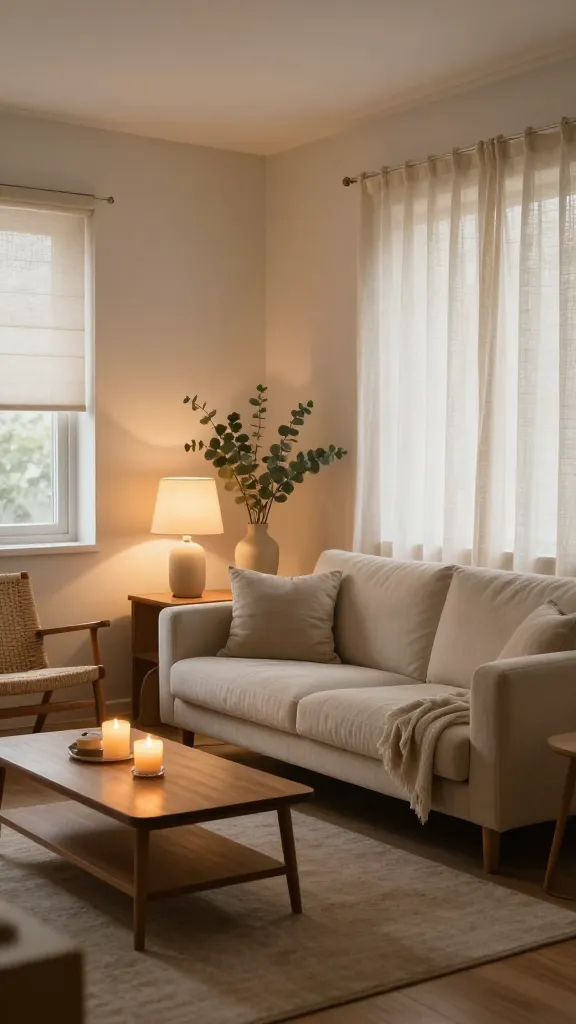
<pLighting shapes mood more than any single object. Use a mix of warm bulbs, candles, and daylight to reflect the season without overhead clutter.
Signs to Watch For
- Harsh overhead lighting creates sharp shadows
- Areas under lamps feel dim or stark
- Candles add risk or clutter if used badly
How to Fix It
- Place a couple of lamps with warm bulbs (2700K) on side tables for soft pools of light.
- Introduce a low, unscented candle or a LED candle for ambience without heat risk.
- Close blinds during peak sun to soften brightness in summer and open them to greet daylight in spring.
What to Use Instead
- Use a simple corded lamp with a fabric shade to diffuse light evenly.
Takeaway: Layer light sources and adjust window coverings to reflect seasonal daylight levels—2–3 sources per main seating area.
6. Textured Wall Surfaces: Wreaths, Natural Fibers, and Plant Hooks
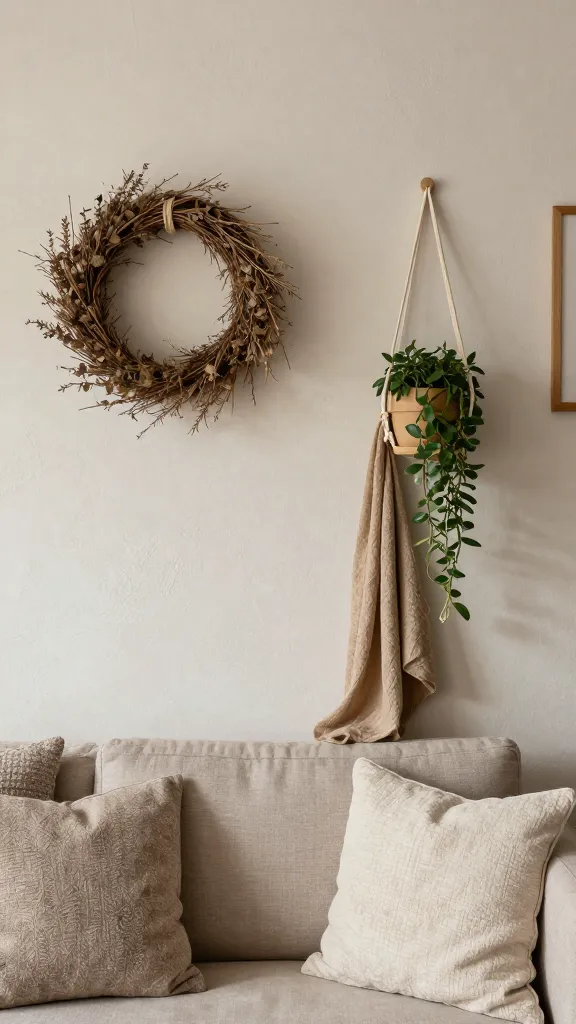
<pWalls can carry the season as much as furniture. A few natural touches create a tactile, earthy backdrop without heavy remodeling.
Signs to Watch For
- Walls feel bare or cold
- Decor pieces look out of scale with the room
How to Fix It
- Hang a dried botanical wreath or a homemade macramé wall hanging near a seating area.
- Attach a lightweight wooden or rope plant hanger to add vertical interest.
- Use a fabric wall hanging in earthy tones to soften a plain wall.
What to Use Instead
- Choose lightweight fiber art rather than heavy frames that mute space.
Takeaway: Add one textured wall piece and one plant hanger to create vertical interest by the end of the week.
7. Rustic Metal Accents: Subdue Shine with Matte Finishes
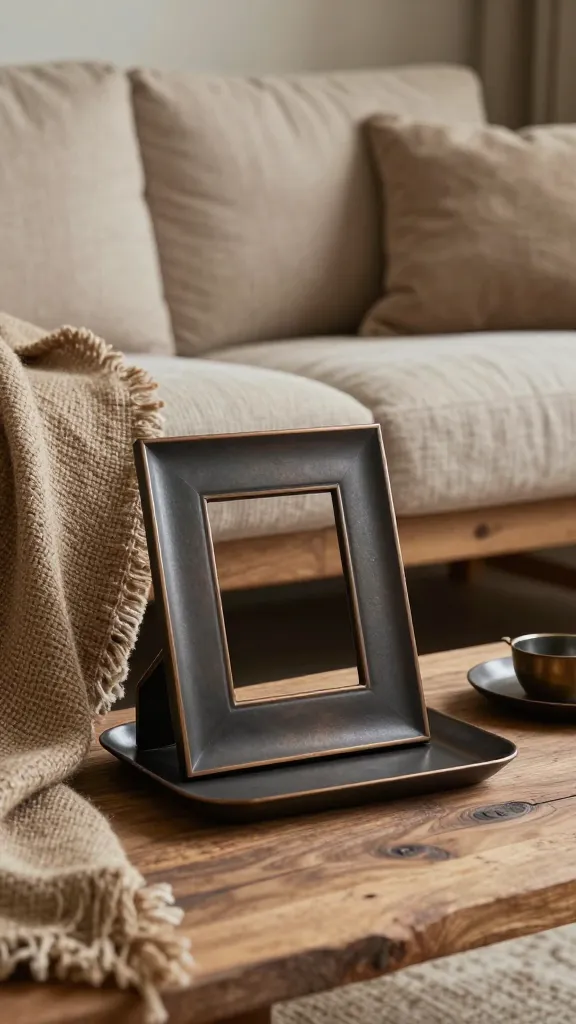
Metal adds air and age to a room, but matte finishes feel more earthy than polished chrome.
Signs to Watch For
- Shiny metal fixtures dominate the space
- Too many bright surfaces create reflection and glare
How to Fix It
- Introduce matte black or bronze photo frames, lamp bases, or a small metal tray.
- Pair metal with natural textures to balance sheen.
What to Use Instead
- Stick to metal accents under 1-2 key pieces per room to avoid visual clutter.
Takeaway: Choose one matte-metal piece per room and pair it with natural textures for cohesion.
8. Seasonal Rugs: Durable, Low-Mlip Textiles That Tie the Room
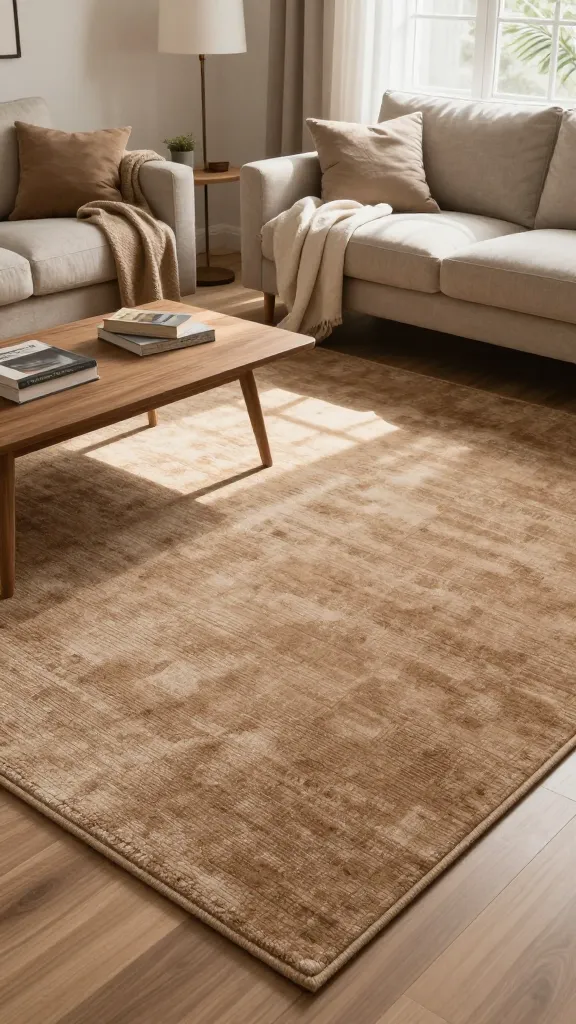
<pA simple rug can anchor a space and signal a seasonal shift. Opt for durable, washable options that suit high-traffic areas.
Signs to Watch For
- Rugs wear quickly in high-traffic areas
- Color fades unevenly with sunlight
How to Fix It
- Choose a rug in a warm earthy tone with a low pile for easy cleaning.
- Lay a 4×6 or 5×8 rug to define a coffee or reading nook.
- Rotate rug placement seasonally to expose different parts to light.
What to Use Instead
- Select machine-washable or easy-care materials for busy apartments.
Takeaway: Use one seasonal rug to anchor a seating area and switch it out every season for a fresh feel.
9. Natural Scents: Cedar, Citrus, and Herbaceous Notes
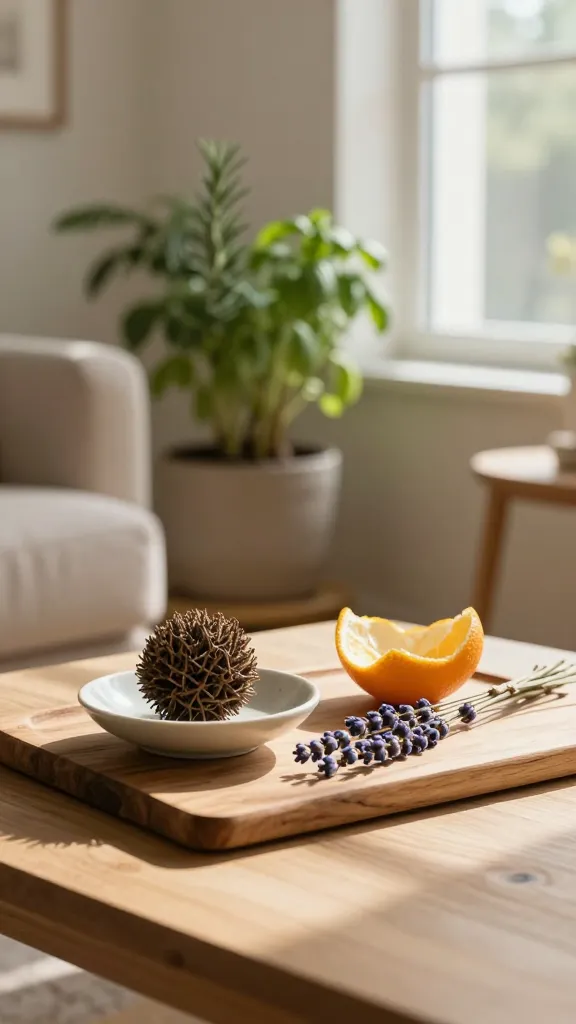
<pScent subtly cues seasonality and well-being. Avoid overpowering fragrances and keep scents minimal and natural.
Signs to Watch For
- Overwhelming perfumes clash with the space
- Cut herbs or flowers wilt quickly, leaving odors
How to Fix It
- Place one cedar ball or a small sachet in a decorative dish.
- Use a citrus peel bowl or a few sprigs of dried lavender on a tray.
- Grow a small herb pot near the kitchen window to provide fresh scent and garnish.
What to Use Instead
- Prefer natural, subtle scents rather than artificial air fresheners.
Takeaway: Introduce 1-2 natural scent elements per season for a fresh, non-irritating vibe.
10. Minimal, Seasonal Décor Swaps: Quick Refresh without Overhaul
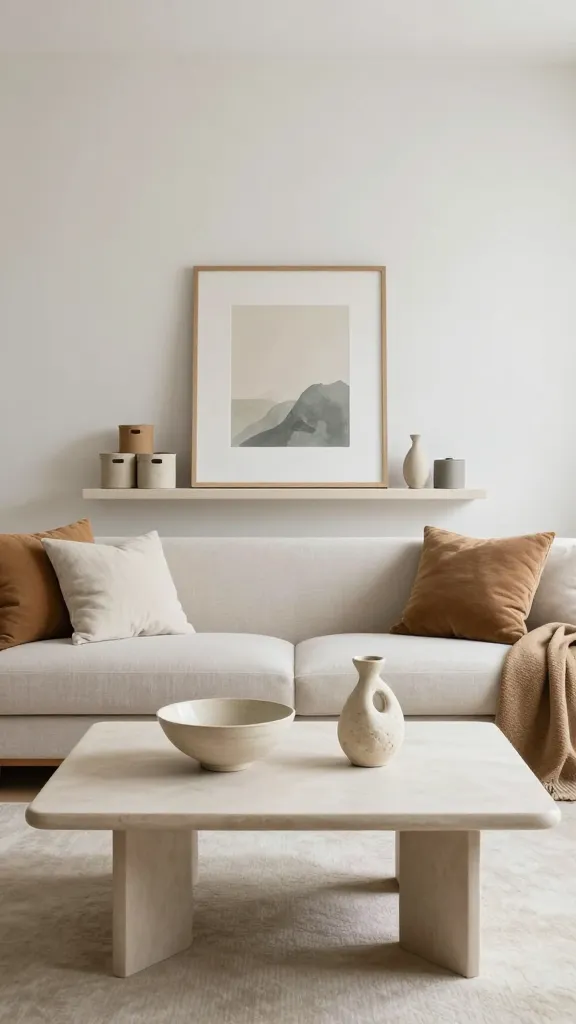
<pThe final trick is to swap a few decor items rather than redoing the whole room. Small changes yield big seasonal impact.
Signs to Watch For
- Items seem mismatched or out of season
- Displaying too many personal items creates clutter
How to Fix It
- Rotate 2–3 decorative objects—think a ceramic bowl, a nature-inspired sculpture, and a framed print.
- Store seasonal pieces in a labeled box when not in use to keep clutter low.
- Replace a few cushions or a throw to reflect the season’s palette.
What to Use Instead
- Use a consistent storage bin system so swaps take minutes, not hours.
Takeaway: Plan a quarterly 15-minute refresh cycle: swap 2–3 items, tidy surfaces, and notice the space’s new energy.
FAQ
What’s the easiest way to start an earthy refresh in a tiny apartment?
Begin with a single focal point, like a textile or rug in earthy tones. Add one plant and a wooden accessory to anchor the room. This gives you a tangible result in under an hour and a clear path for more changes later.
How do I maintain seasonal changes without buying new furniture?
Use swapable textiles (throws, pillows, table runners) and lightweight decor that store flat. Keep color families consistent and rotate items every 6–8 weeks to maintain a fresh look.
Which plants are best for low light and easy care?
Alan-based choices include pothos, snake plant, ZZ plant, and philodendron. Place them near bright indirect light and water only when the soil feels dry to the touch.
How do I create a cohesive earthy palette without repainting?
Stick to a base of neutral taupe, sand, or soft gray. Layer with three accent colors (sage, clay, olive) and use decor to bring those tones together. Keep wood, ceramics, and textiles in these hues for harmony.
What is the best way to rotate decor without creating clutter?
Use a simple storage box with labeled sections for seasonal items. When a season changes, swap 2–3 items and tuck the rest away. This keeps surfaces clean and the look intentional.
How do I ensure I’m not overloading the space with texture?
Limit texture to 3–4 main elements per room. Pair a textured rug with one textile layer and one plant-based accessory, then keep other surfaces smooth and uncluttered.
Conclusion
Seasonal, earthy styling is less about major changes and more about thoughtful, repeatable updates. Start with texture, light, and a restrained color palette, then build with natural accents. With these ideas, your space will feel rooted in the season and easy to refresh each time the calendar turns.
Leave a Reply