10 Cozy Bedroom Lighting Ideas That Skip the Fairy Lights
· thehazelcottage@mail.com
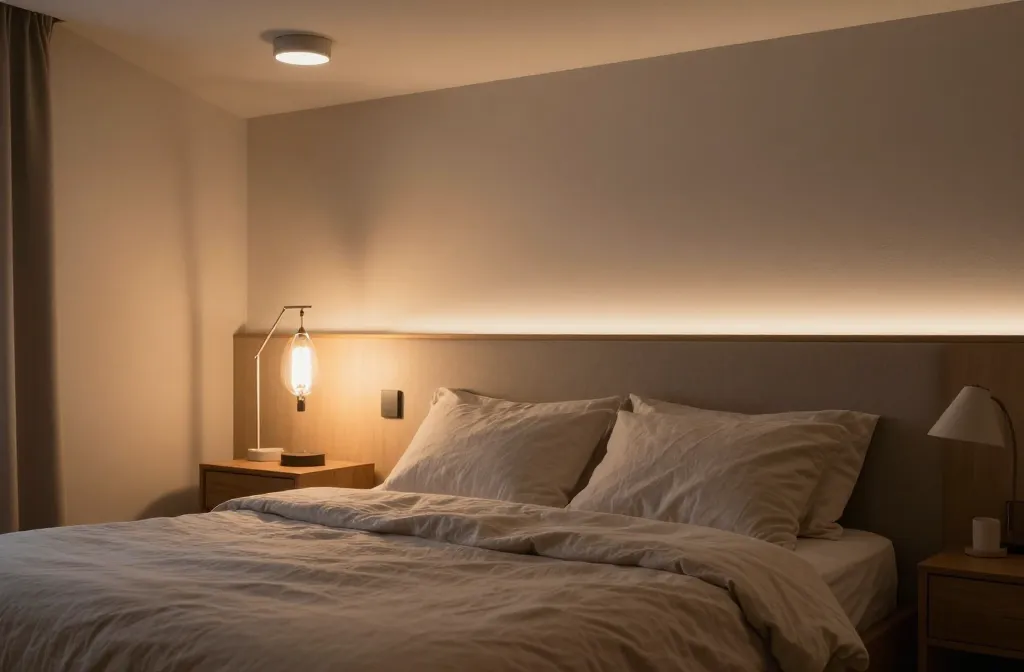
I redesigned my small apartment bedroom last spring after realizing fairy lights felt charming but unreliable for a solid, sleep-friendly vibe. Now I rely on purposefully chosen lighting that feels intimate, adjustable, and easy to source from a standard hardware or garden centre. Here’s a practical roadmap you can follow to create a cozy, functional glow without relying on string lights.
1. Layered Task, Ambient, and Accent Lighting
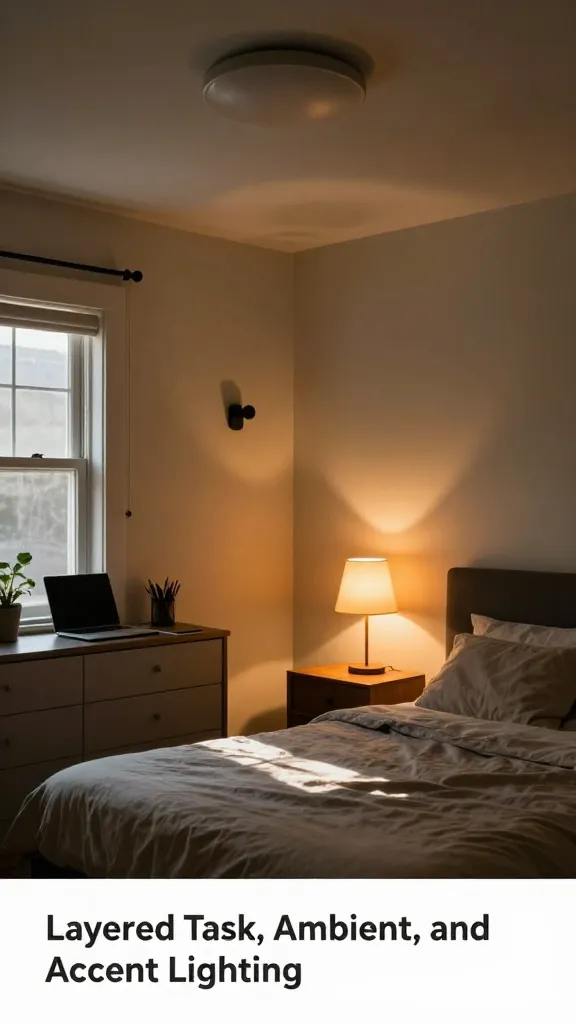
Relying on a single ceiling fixture leaves shadows and glare that fatigue the eyes. Layering lighting creates depth and mood while keeping tasks achievable with natural light and a few targeted fixtures.
Signs to Watch For
- Dark corners near the bed or dresser
- Glare on screens or mirrors during evening use
- Uneven illumination that makes small spaces feel cramped
How to Fix It
- Install a dimmable ceiling light for general use
- Add a bedside lamp with a warm bulb (2700-3000K)
- Include a small wall sconce or under-shelf light for accents
What to Use Instead
- One ceiling fixture plus two lamps and an accent LED strip behind a headboard or under a shelf
Takeaway: Build a three-layer setup so you can brighten for chores or soften for wind-down time.
2. Warm LED Filament Bulbs in Desk or Bedside Lamps
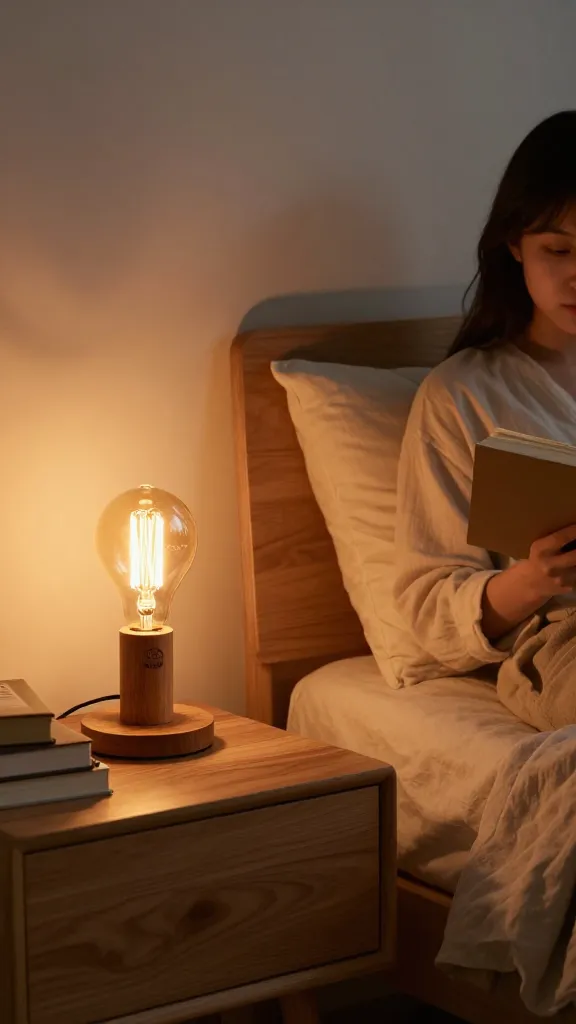
Harsh white light ages a room quickly, while cool light disrupts evening routines. Filament-style LEDs emit a gentle, warm glow that reads as cozy without losing clarity for reading or winding down.
Signs to Watch For
- Bulbs that flicker or require frequent replacements
- Bulbs with a blue-toned bright light
- Constantly tired eyes after short reads
How to Fix It
- Choose bulbs labeled 2700K-3000K
- Select a wattage that fits the fixture (6-9W for lamps, 8-12W equivalent for ceiling)
- Use dimmable LEDs where possible
What to Use Instead
- Filament LED bulbs in table lamps and a dimmer for bedside use
Takeaway: Switch to warm filament LEDs for a naturally inviting nighttime atmosphere.
3. Wall-Mounted Slim Sconces for Reading Nooks
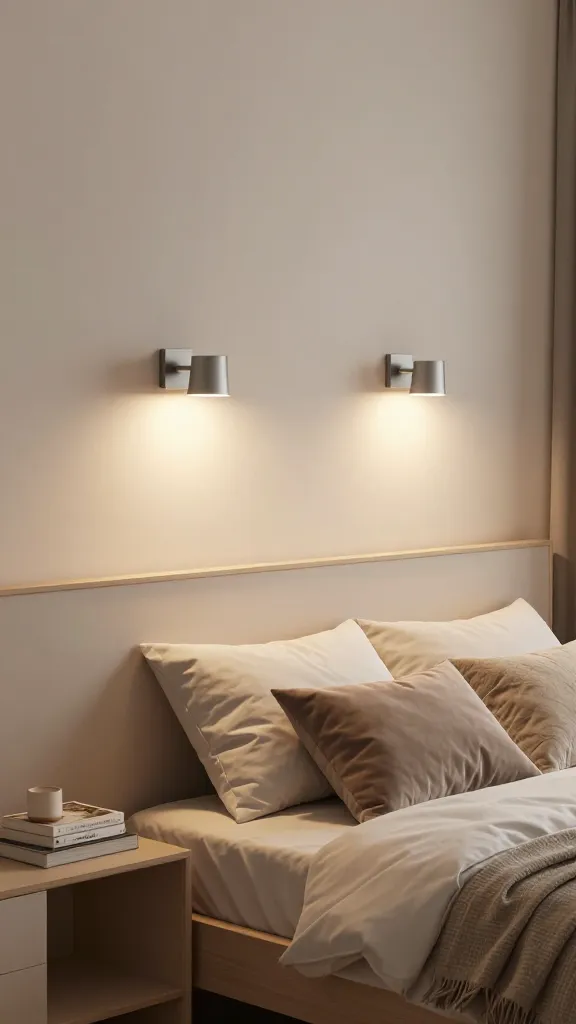
Headboard or bed-side shelves that host bulky lamps can crowd the room. Slim, wall-mounted sconces save space while delivering direct reading light and soft ambient glow.
Signs to Watch For
- Bulky lamps that clutter furniture edges
- Inadequate light for pillow-side reading
- Cold, unflattering shadows on the face
How to Fix It
- Choose sconces with adjustable arms
- Install them 36-40 inches apart and 66-70 inches from the floor for optimal reading height
- Pair with a warm bulb and a dimmer
What to Use Instead
- A pair of 6-9W adjustable wall sconces mounted at ergonomic reading height on either side of the bed
Takeaway: Free up surface space while keeping strong reading light within easy reach.
4. Floor Lamps with Adjustable Heads for Flexible Light
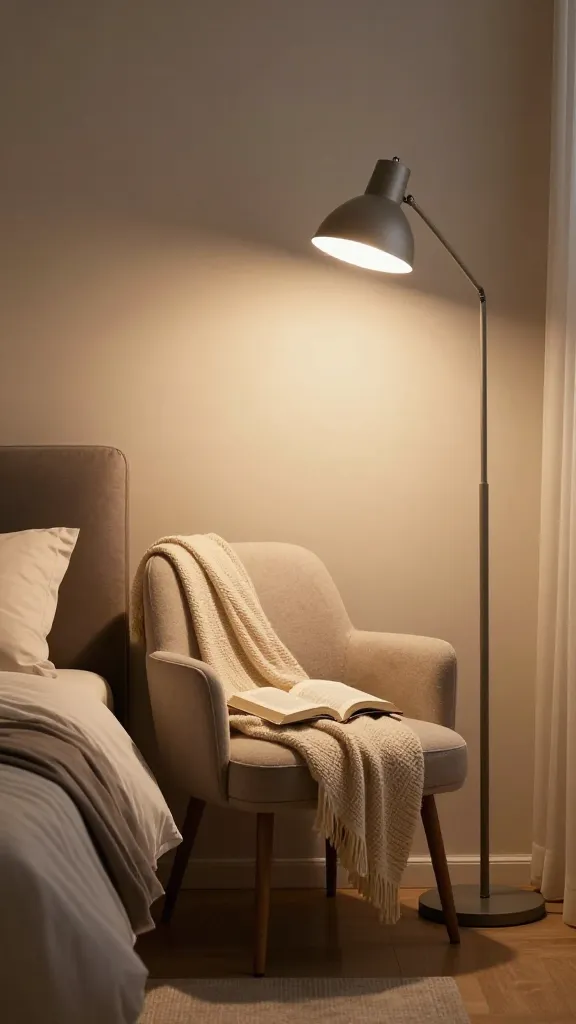
Floor lamps are a simple, affordable upgrade that add height and direction without clutter. An adjustable head lets you aim light for bedtime routines or cozy seating.
Signs to Watch For
- Overhead fixtures that feel harsh or distant
- Limited control over where light falls
- Low light levels on the bed or seating area
How to Fix It
- Choose a lamp with a swing-arm or rotate head
- Place near a reading chair or at the foot of the bed
- Use a warm bulb and a dimmer if possible
What to Use Instead
- A versatile floor lamp with an articulated head and a shade that tames glare
Takeaway: Add reach and flexibility to light zones without installing new fixtures in ceiling joints.
5. Indirect Lighting Behind Headboard for Subtle Glow
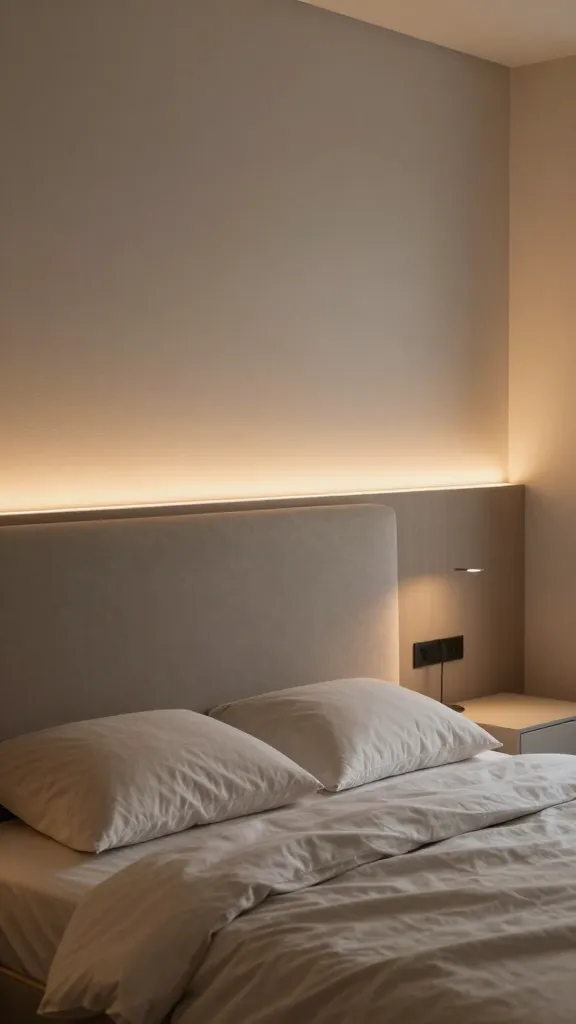
Direct lighting can feel clinical; indirect lighting creates a soft, enveloping ambience that’s perfect for winding down. A hidden strip behind a headboard or shelf adds atmosphere without drawing attention.
Signs to Watch For
- Harsh glare from the bed-side lamp
- Spaces that feel flat or lifeless at dusk
- Difficulty reading in bed due to shadows
How to Fix It
- Install a small LED strip behind the headboard or along a shelf edge
- Choose 3000K warm tones and a diffused light bar
- Wire to a dimmer or a plug-in timer for automatic adjust
What to Use Instead
- A 2-3 meter LED strip with a soft cover or diffusing channel
Takeaway: Let soft, indirect light define the room’s mood while you sleep.
6. Tabletop Lamps with Textured Lampshades for Cozy Shadows
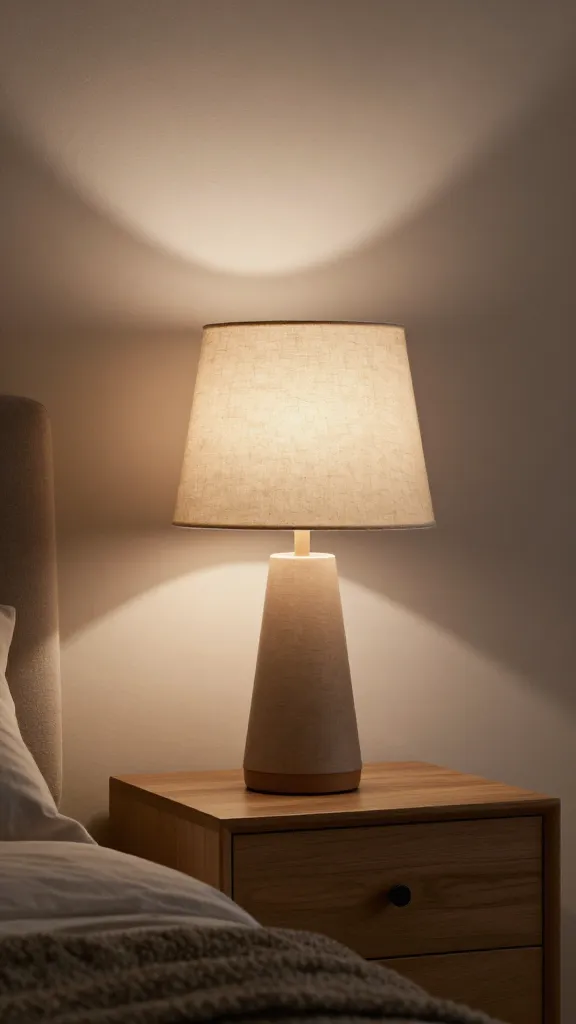
A lampshade with texture throws gentle, sculpted shadows that feel intimate. A table lamp on a dresser or nightstand adds warmth and a focal point.
Signs to Watch For
- Flat light that makes a room feel sterile
- Shadows that are too sharp when you sit at a desk
- Bulbs that overheat in closed shades
How to Fix It
- Choose lamps with fabric or woven shades
- Use a 6-9W warm LED bulb; avoid flood-style bulbs in enclosed shades
- Angle the shade to soften the light toward the ceiling and wall
What to Use Instead
- A small table lamp with a warm bulb and a fabric shade for a soft, sheltered glow
Takeaway: Texture and shade shape the comfort of your room without loud color contrasts.
7. Dimmable Ceiling Light with Warm White Output

A single dimmable ceiling fixture gives you control over the room’s base brightness. It’s practical for tasks and sets the mood for evenings.
Signs to Watch For
- Brighter ceiling light that washes out the space
- Lack of control over light level in the room
- Inconsistent lighting when you switch between night and day routines
How to Fix It
- Install a dimmable LED ceiling fixture, 2700K-3000K
- Place a dimmer switch at arm’s reach
- Use a maximum of 9-12W equivalent for compact bedrooms
What to Use Instead
- A single ceiling unit with dimming and a warm color temperature for all-round use
Takeaway: One adaptable ceiling light reduces glare and gives you night-to-dawn versatility.
8. Under-Shelf or Plinth Lighting to Define Zones
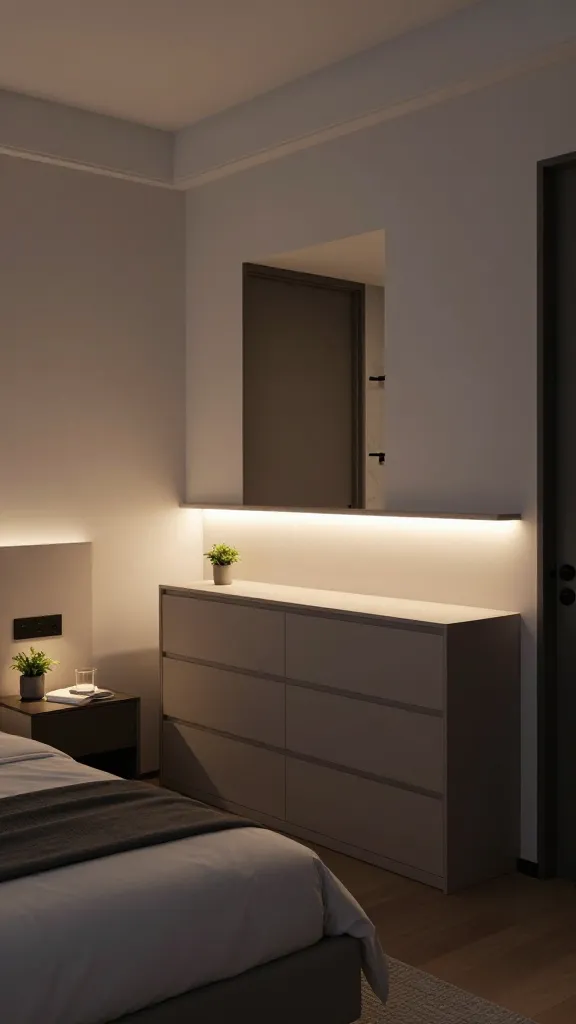
Low-profile lighting under shelves or along a dresser edge helps define space without drawing intense attention. It’s perfect for late-night routes to the kitchen or bathroom.
Signs to Watch For
- Dark edges around furniture that feel separate from the room
- Difficulty locating items on a shelf at night
- Overly bright only one corner of the room
How to Fix It
- Use a warm LED strip or a small linear light bar
- Mount under a shelf or along the back edge of a dresser
- Pair with a dimmable switch
What to Use Instead
- A 1-2 meter LED strip with a diffuser tucked under shelves or a toe-kick lighting strip
Takeaway: Subtle, zone-defining light helps navigation and comfort without visual clutter.
9. Practical Light Dimmer Schedule for Sleep Hygiene

Light timing is as important as where light comes from. A consistent schedule reduces wakefulness and helps you fall asleep faster, especially in apartments with varied daylight.
Signs to Watch For
- Lights left on late at night
- Bright screens in bed that disrupt circadian cues
- Inconsistent lighting patterns across the week
How to Fix It
- Set a 30-60 minute wind-down lighting routine
- Program a smart plug or timer to dim lights gradually after 9-10pm
- Use warm, low-light modes in the last hour before bed
What to Use Instead
- A single dimming switch or smart plug controlling all warm-light sources in the bedroom
Takeaway: A predictable lighting schedule supports better sleep and easier mornings.
10. Hidden Night Lights with Guarded Brightness
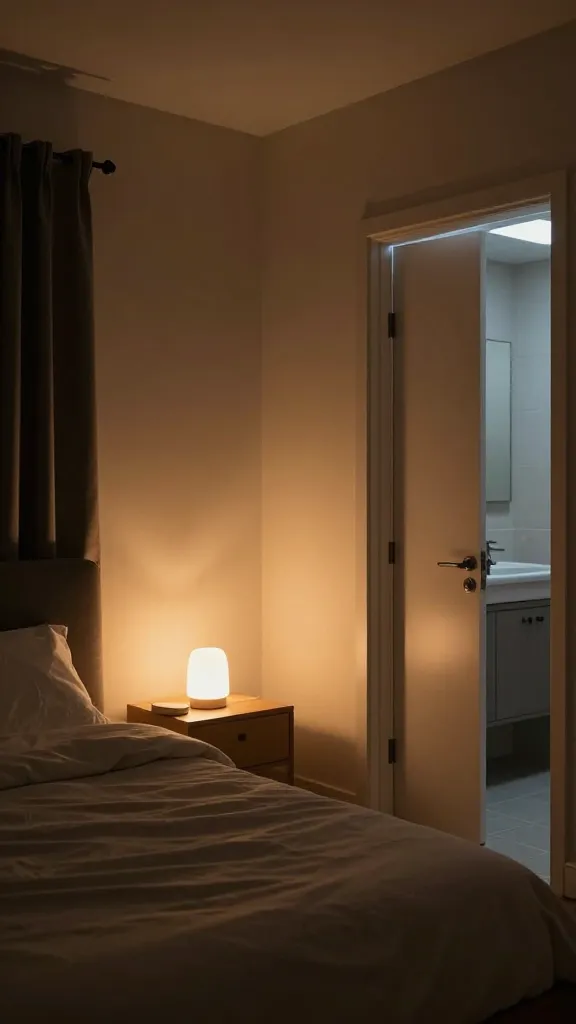
Night lights are useful in the dark, but they can be too bright or misdirected. A properly shielded, low-brightness night light keeps pathways visible without waking you or interfering with sleep.
Signs to Watch For
- Bright, direct light in eyes when waking
- Glare on walls or screens during the night
- Unnecessary blue light that affects sleep
How to Fix It
- Choose a night light with a diffused, warm LED and a low lumen output
- Place near doors or the path to the bathroom
- Plug into a timer so it’s only on during safe hours
What to Use Instead
- A small, warm-glow night light with a soft diffuser and a 0.5-1W equivalent brightness
Takeaway: Gentle guidance at night prevents stumbles while preserving sleep quality.
FAQ
What brightness level is best for a bedroom?
In a bedroom, aim for warm sources that allow you to read or dress without glare. Use decorative lights in the 200-400 lumen range for ambiance and 400-800 lumen for functional tasks near a desk or vanity, with dimmers to blend between moods.
Can I use smart bulbs to manage lighting?
Yes. Smart bulbs let you schedule, dim, and change color temperature. Pair them with a scene for wind-down (warm, low brightness) and wake-up (soft bright light). Ensure compatibility with your fixtures and keep one or two non-smart backups in case of outages.
How do I choose the right color temperature?
Warm colors (2700-3000K) feel cozy and help with sleep; neutral white (3500K-4000K) is good for task areas. Avoid bright cool whites (5000K+) in the bedroom unless you need them for specific tasks and swap them for evening hours.
Is indirect lighting enough for a bedroom?
Indirect lighting plus a couple of task lamps is usually enough. If you rely solely on indirect lighting, you may need a dedicated reading light for bedtime or a desk area.
What are affordable, available sources for these ideas?
Most ideas use standard home centre or hardware store items: ceiling fixtures, warm LED bulbs, simple floor lamps, wall sconces, LED strips with diffusers, and basic dimmers. Avoid specialized lighting that requires professional installation unless you’re comfortable with wiring changes.
Conclusion
With a considered mix of layered lighting, warm bulbs, and accessible controls, you can craft a cozy bedroom that feels welcoming and calm without relying on fairy lights. Start with one or two changes—perhaps a dimmable ceiling light and a bedside lamp—and expand as you experience what works best for your space and routines.
Leave a Reply