10 Natural Materials That Make Any Room Feel Earthy and Grounded
· thehazelcottage@mail.com
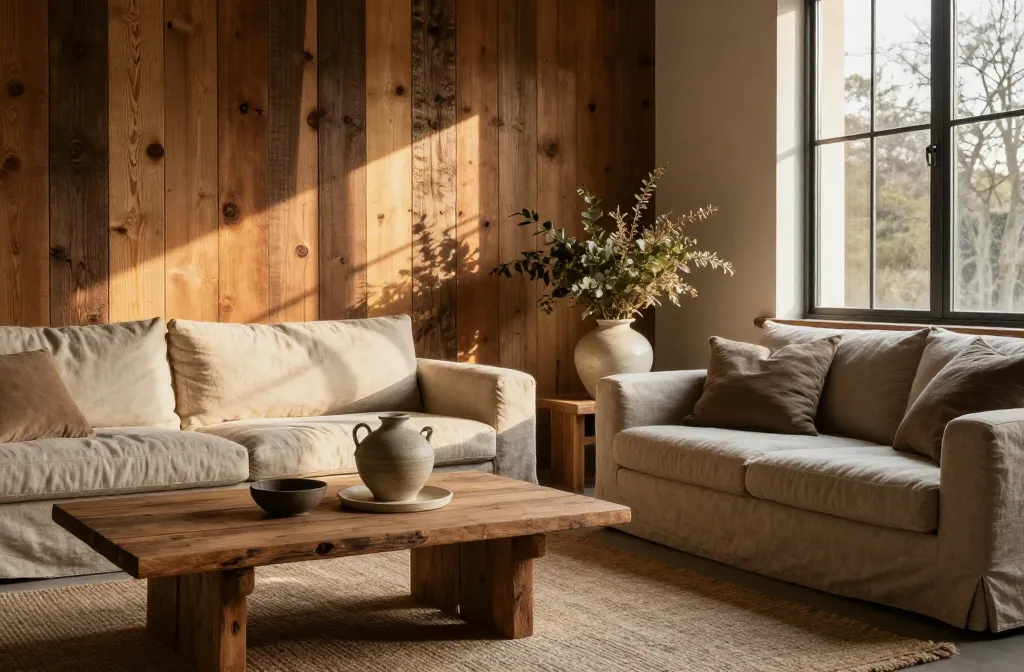
I’ve redecorated three apartments with natural textures, and the difference is tangible: wood grain, stone tones, and woven fibers soften every corner. You can achieve that same calm, earthy vibe using materials you can buy at any garden centre or hardware store. Below are 10 reliable natural materials, why they work, and practical, everyday how-tos you can implement this weekend.
1. Reclaimed Wood: Rich Warmth Without the High Cost
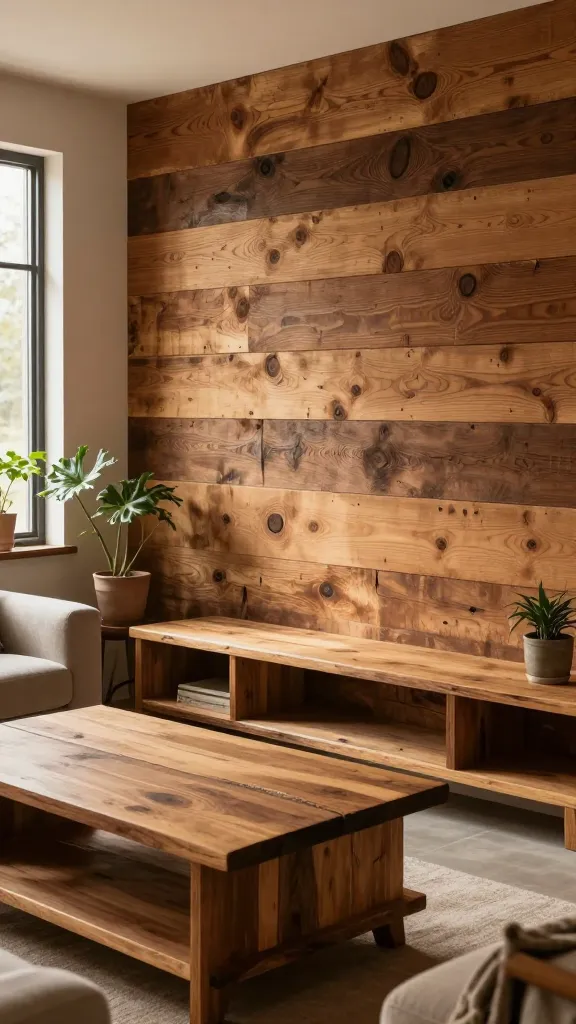
Reclaimed wood adds instant warmth and a subtle history to any room. It’s more forgiving than new timber and can be used in furniture, shelving, or wall accents. The natural imperfections become design features, not flaws.
Signs to Watch For
- Glossy, new-looking surfaces that feel cold or clinical
- Visible resin or uneven staining on budget plywood
- Warping or cracking in low-quality boards
How to Fix It
- Choose boards with consistent color and minimal old nails; seal with a matte finish.
- Sand rough edges lightly and treat with a rustic wax or oil.
- Fill small imperfections with a matching wood filler before final sealant.
What to Use Instead
- Look for locally sourced, weathered planks labeled “reclaimed” at the garden centre or home improvement store
- Use reclaimed-wood veneer panels for surfaces that don’t take heavy wear
Takeaway: Start with one reclaimed board as a statement shelf to anchor the room.
2. Natural Stone Tiles or Laminates: Grounded, Durable Surfaces
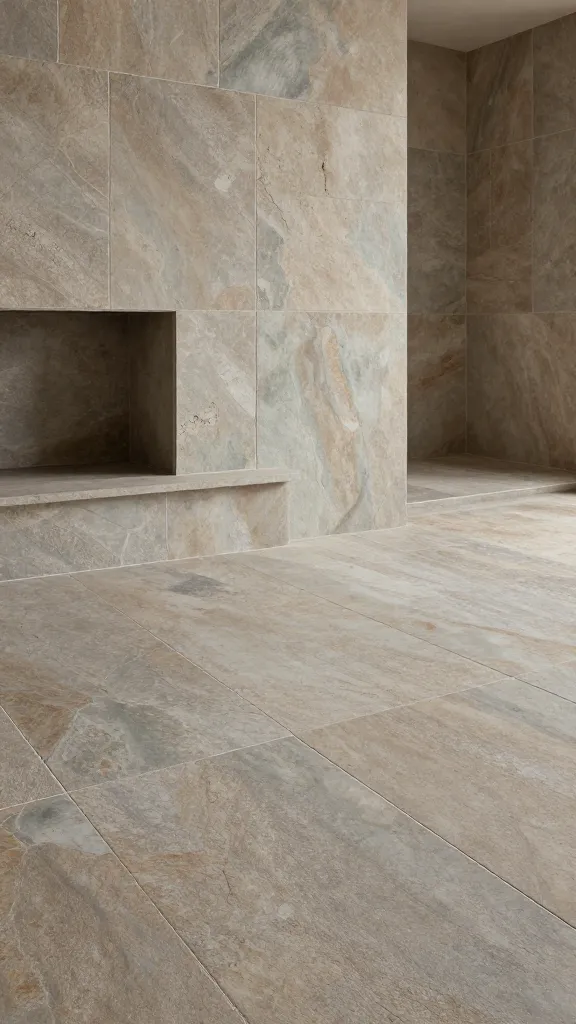
Stone brings tactile texture and a cool, earthy palette. Use it for floors, a splash of a wall, or table tops. Even a modest application, like a small hearth or a bathroom niche, anchors the space with mass and character.
Signs to Watch For
- Glossy surfaces that glare under lighting
- Chips or flaking on budget stone or faux stone laminates
- Color that looks too uniform or synthetic
How to Fix It
- Opt for honed or matte finishes to reduce glare and highlight natural variations
- Ensure grout lines are narrow and irregular for a natural look
- Seal porous stone to prevent staining with everyday spills
What to Use Instead
- Stone-look ceramic or porcelain tiles with subtle veining for easy maintenance
- Natural slate or granite counters if you’re renovating a small section
Takeaway: A small stone feature, like a countertop edge or a tile strip, creates an earthy anchor in seconds.
3. Cork: Quiet Earthiness Underfoot and Underfoot Friendly
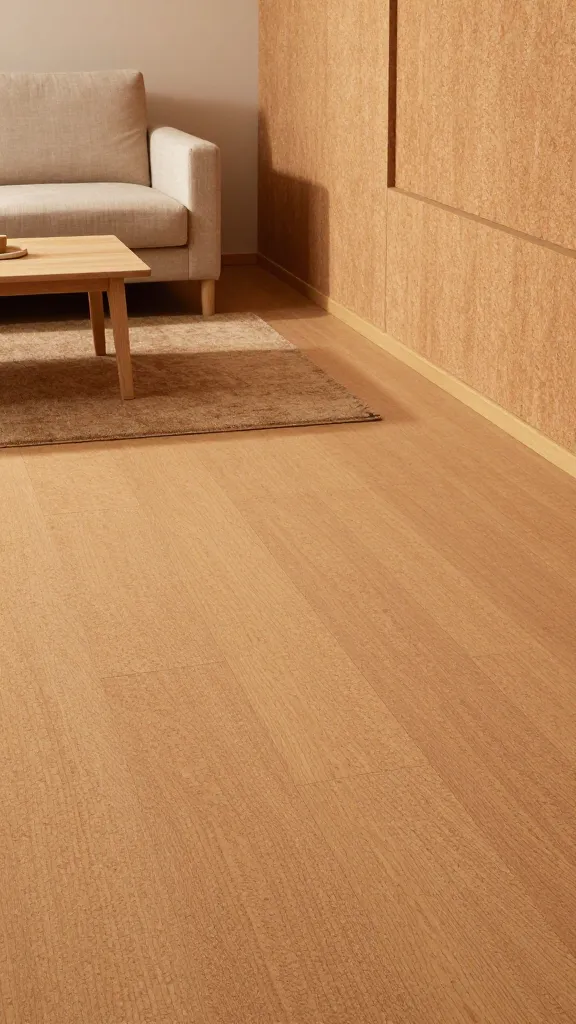
Cork brings a soft, warm feel to floors and wall coverings. It’s sustainable, lightweight, and surprisingly durable for everyday living. It also improves thermal comfort and sound absorption in compact apartments.
Signs to Watch For
- Hard, cold-feeling floors that echo your steps
- Visible wear in high-traffic patches or near doors
- Glossy finishes that make cork look cheapened
How to Fix It
- Choose a matte, sealant-coated cork option for resilience
- Repair scratches with a matching cork patch kit
- Place protective pads under heavy furniture to prevent dents
What to Use Instead
- Engineered cork flooring for easier installation on uneven subfloors
- Cork wall tiles as a feature behind a reading nook or bed
Takeaway: Install cork in a high-traffic area like under a desk or near the living room for immediate comfort and acoustics.
4. Linen and Hemp Textiles: Soft, Breathable Texture
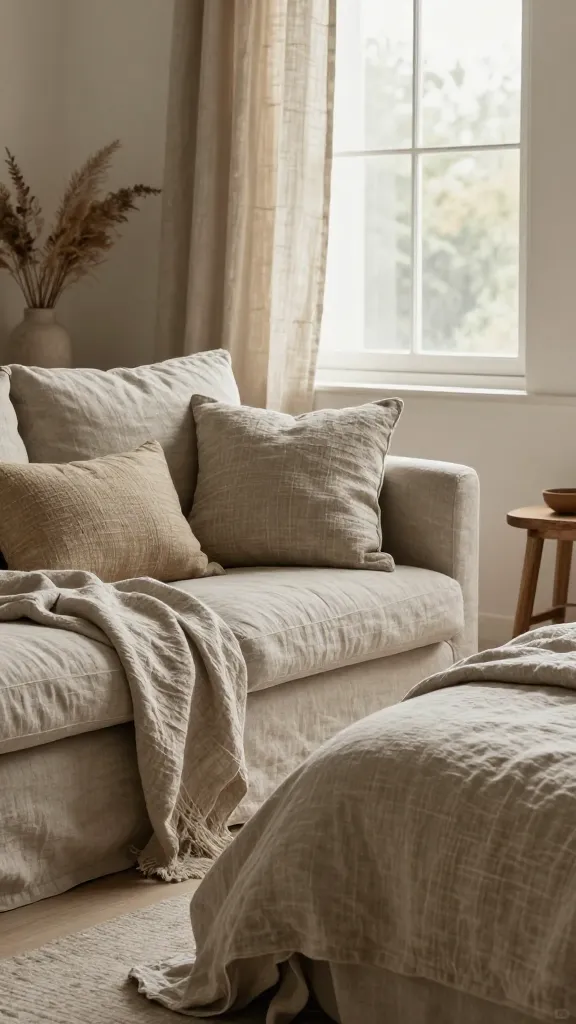
Natural fibers such as linen and hemp provide tactile surfaces for curtains, cushions, and bedding. They drape well, breathe in warm weather, and age beautifully with a neutral patina.
Signs to Watch For
- Shiny polyester replacements that feel stiff
- Fabric pilling after a few washes
- Sized or stiff texture that doesn’t soften with time
How to Fix It
- Wash linen and hemp with mild detergent and air-dry to preserve softness
- Mix with other natural fibers like cotton to reduce wrinkling
- Choose lighter weaves for curtains to maximize airflow
What to Use Instead
- Mix linen with cotton for cushions and throws
- Hemp-blend rugs for a grounded floor statement
Takeaway: Start with one linen curtain panel or throw pillow to introduce tactile warmth without overwhelming the room.
5. Jute and Sisal Rugs: Warm, Underfoot Comfort
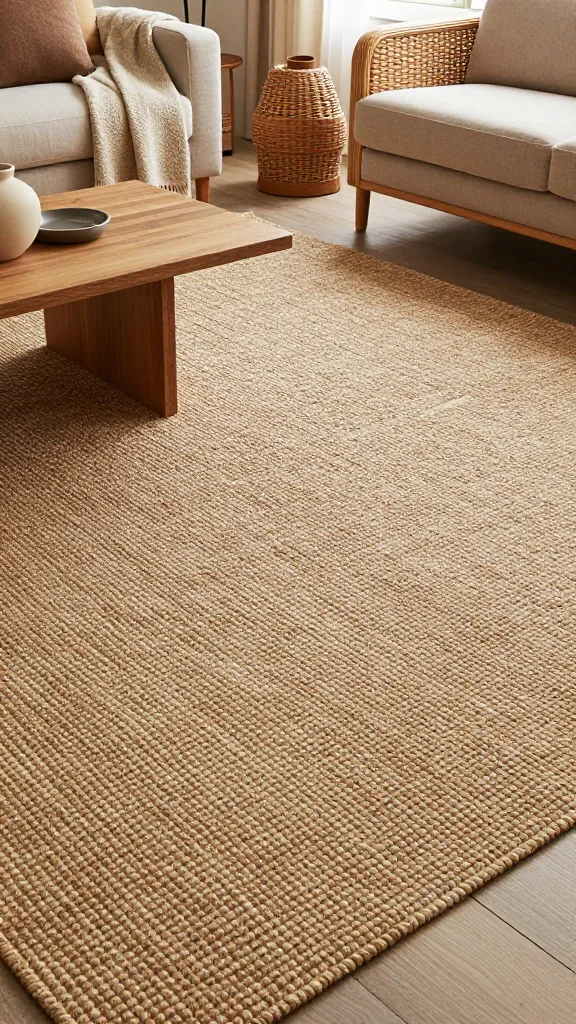
Natural fiber rugs bring color, texture, and insulation. Jute and sisal are sturdy for living areas and entryways, with a classic earthy palette that grounds furniture.
Signs to Watch For
- Rugs shedding a lot of fibers after a few uses
- Discoloration from spills that are hard to clean
- Stiff, uncomfortable texture underfoot
How to Fix It
- Use a rug pad to protect fibers and reduce slipping
- Spot-clean spills quickly with a damp cloth; avoid soaking
- Rotate the rug every few months to prevent uneven wear
What to Use Instead
- Low-pile, washable cotton or wool blends for high-traffic zones
- Coir doormats to keep dirt from migrating into the living space
Takeaway: Place a jute or sisal rug in the seating area to unify furniture with the floor and bring warmth to the room.
6. Clay Pots and Terracotta Planters: Earthy Botanicals at Every Corner
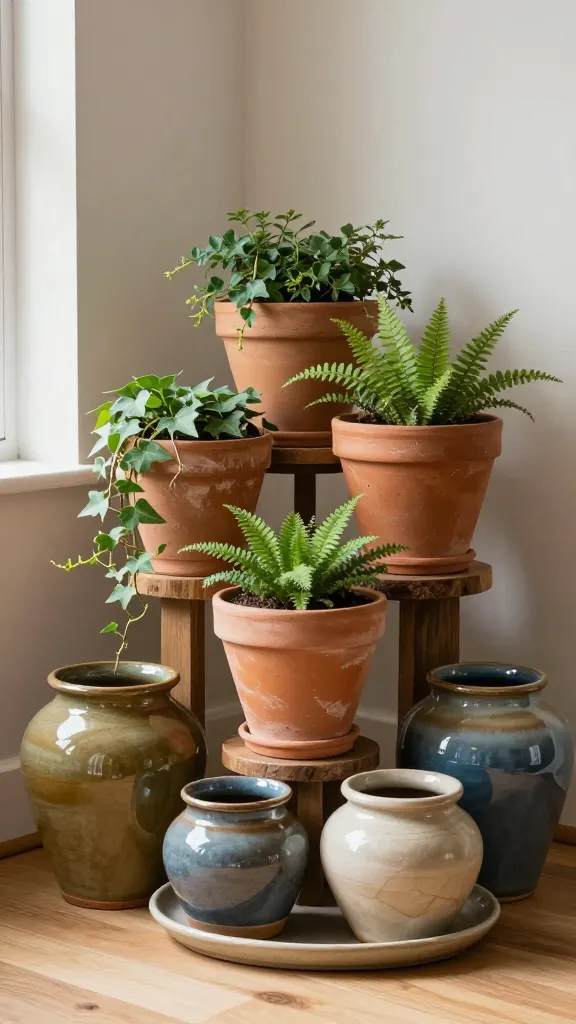
Terracotta pots carry a distinct, warm pigment that echoes the earth. They pair nicely with green foliage and can be mixed with glazed ceramics for depth and contrast.
Signs to Watch For
- Cracks in drying terracotta after watering bursts
- Soil drying out too quickly in porous pots
- Glazed pots that clash with natural tones
How to Fix It
- Use a moisture-retaining potting mix and a saucer to protect surfaces
- Group pots of different sizes for a cohesive vignette
- Pair terracotta with ceramic pots in similar warm tones
What to Use Instead
- Fiberglass-reinforced terracotta alternatives with the same color
- Plain clay pots for herbs on the kitchen windowsill
Takeaway: Start with one terracotta pot for a herb cluster; it instantly blends greenery with natural tones.
7. Bamboo and Rattan: Curved Natural Vibes
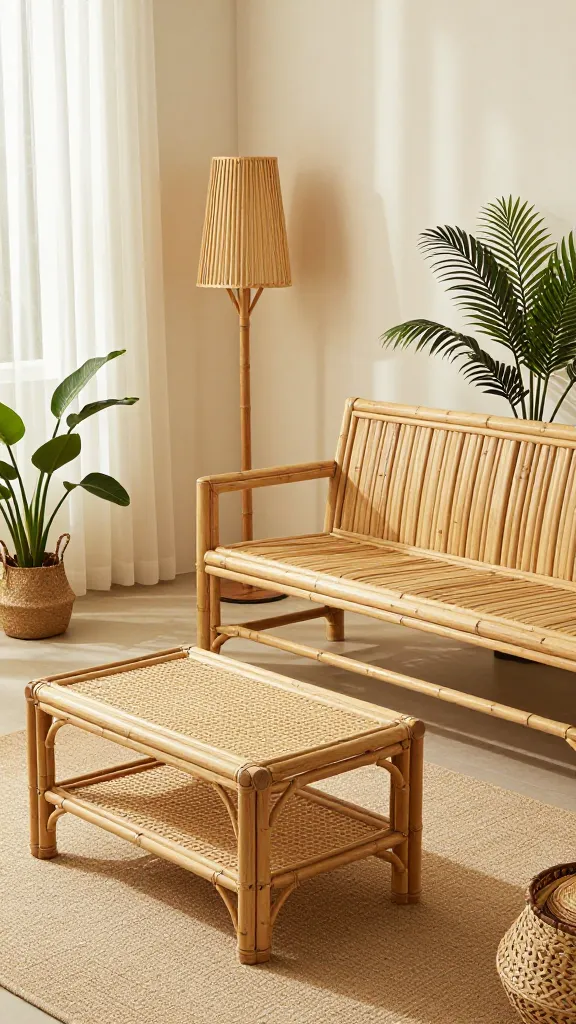
Bamboo and rattan bring sculptural lines and a relaxed, tropical vibe without overpowering a space. They’re durable for furniture and decorative accents.
Signs to Watch For
- Wobbly joints on lightweight wicker chairs
- Color fading from sun exposure on light-toned pieces
- Excessive shine on lacquered bamboo that looks plastic
How to Fix It
- Re-tighten joints with wood glue and clamps; apply a finish that suits indoor use
- Place bamboo pieces away from direct sun to preserve color
- Dust regularly and wipe with a damp cloth to prevent buildup
What to Use Instead
- Rattan ottomans with fabric cushions for comfort and function
- Simple bamboo blinds to soften light and tie the room together
Takeaway: Introduce a single bamboo chair or a rattan lamp to anchor the space with natural texture.
8. Ceramic and Earthenware: Subtle, Imperfect Beauty
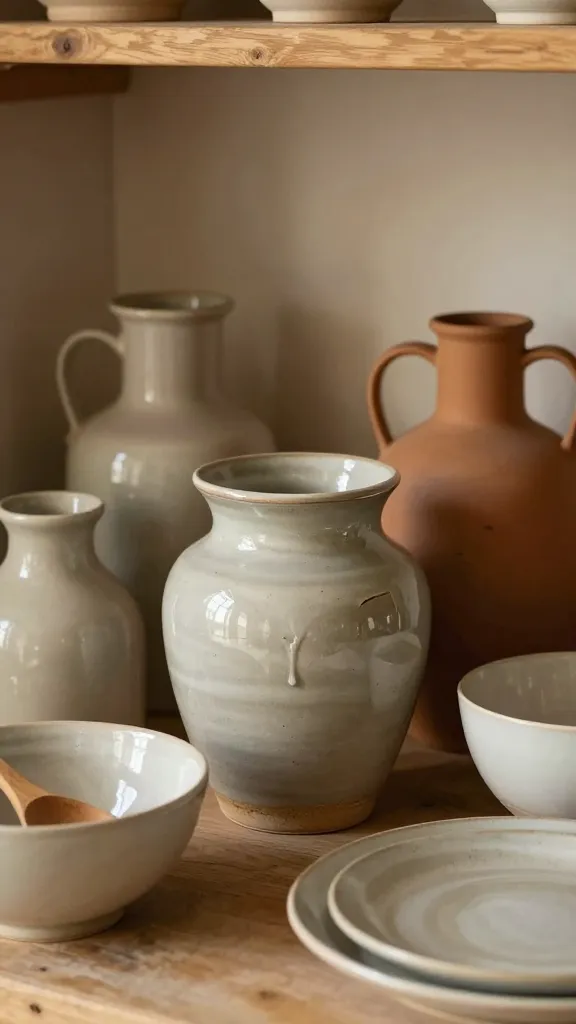
Plain ceramic pieces and earthenware reflect light softly and bring handmade character. Use them as decorative vessels, vases, or functional dishware that’s visible in everyday life.
Signs to Watch For
- Factory-glossy ceramics that read cold and clinical
- Uneven glaze or drips that feel intentional but clash with overall vibe
- Cracked finishes from impact that expose the ceramic substrate
How to Fix It
- Opt for matte or satin glazes—older finishes look more natural
- Group ceramics in odd numbers with varying heights for visual interest
- Use ceramic planters with drainage holes to sustain plant health
What to Use Instead
- Stoneware mugs and bowls for everyday use with a rustic touch
- Hand-thrown pots for plants and decorative displays
Takeaway: Start with one ceramic vessel to create a natural focal point on a shelf or windowsill.
9. Clay and Mud Plaster Walls: Subtle Texture You Can Feel
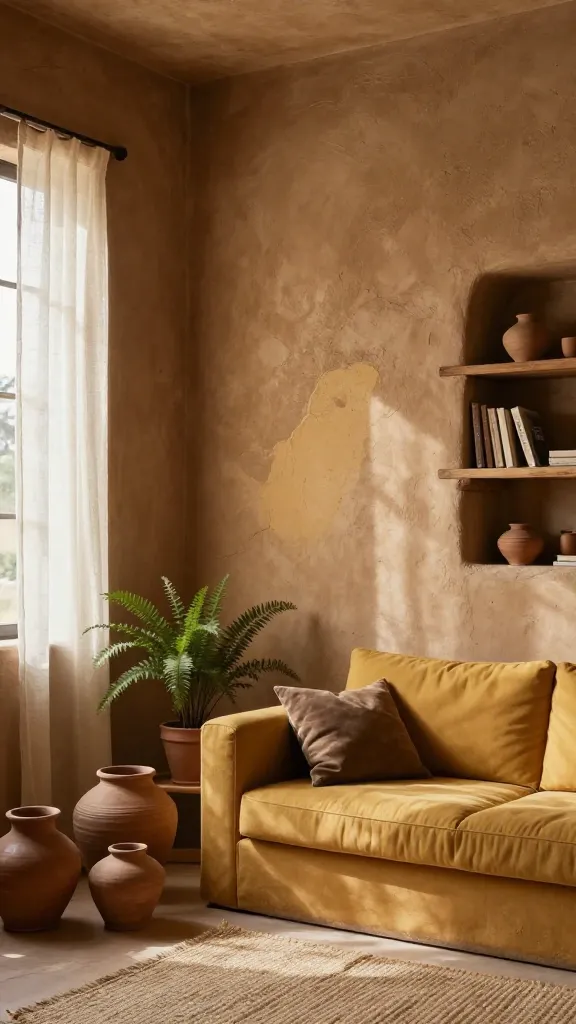
Clay or mud plaster adds an organic texture that remains comfortable to the touch and visually intimate. If you’re renting, look for a plastered accent wall or consider a DIY clay paint technique on a small section.
Signs to Watch For
- Modern walls feel too smooth or sterile
- Cracks along joints or corners that resemble recent settling
- Finish that looks flat rather than alive with depth
How to Fix It
- Apply a lightweight plaster patch to fill small cracks
- Seal with a breathable, water-based finish to maintain texture
- Try a clay-based paint for a subtle, tactile wall texture
What to Use Instead
- Textured plaster look with a modern wallpaper that mimics natural plaster
- Natural limewash for a softer, earthy glow
Takeaway: Add a small plaster accent wall or a limewashed panel to bring warmth and depth to the room.
10. Woven Wall Hangings and Baskets: Airy, Earthy Patterns
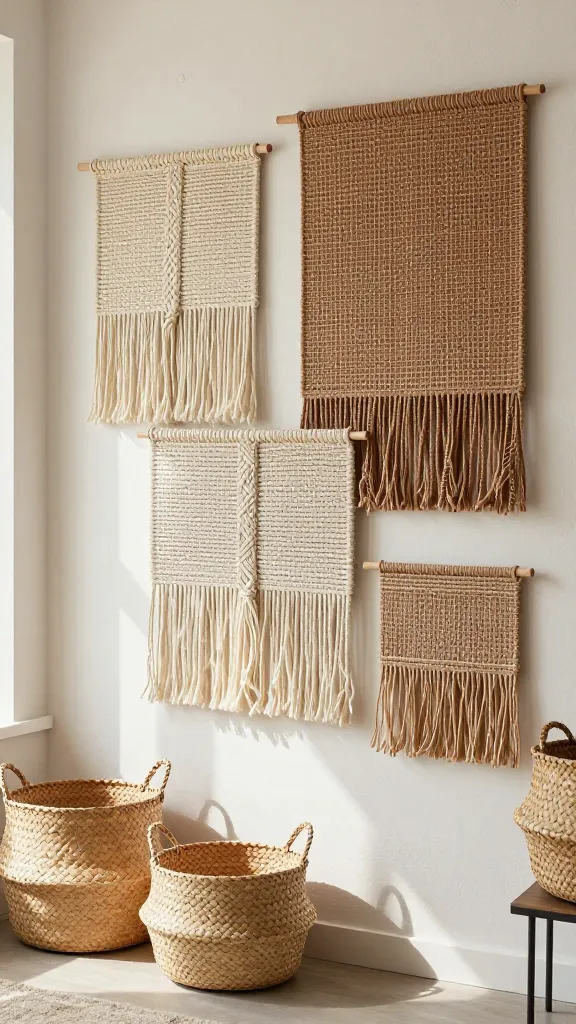
Woven textures add visual rhythm and soften lines. Natural fibers create a calming backdrop and help to balance metal or glass elements commonly found in apartments.
Signs to Watch For
- Plastic or synthetic weaves that look cheap
- Heavy decorative pieces that dominate the wall
- Loose threads or unraveling weaves
How to Fix It
- Choose mid-sized hangings with a mix of thick and thin yarns
- Secure any loose threads with a simple knot or small needle-stitch
- Pair with lighter baskets for contrast and storage
What to Use Instead
- Jute wall hangings for a rustic texture
- Seagrass baskets for practical storage that remains aesthetically cohesive
Takeaway: Add one woven wall hanging to create a focal point that unifies furniture and textiles.
Frequently Asked Questions
What is the easiest natural material to start with for a small apartment?
Start with a linen or cotton curtain and a single jute rug. They instantly soften light, add texture, and are easy to clean. Linen is breathable and holds color well, while jute anchors the space with a warm, earthy base. You can mix these with a couple of ceramic planters for a quick, cohesive upgrade.
How do I maintain natural materials without special tools?
Most natural materials benefit from regular dusting with a soft cloth and spot cleaning with a damp cloth. Avoid harsh chemicals. For wood, use a mild oil or wax polish every few months to keep the finish even. Keep textiles away from direct heat to prevent shrinkage or drying out.
Can I mix natural materials with modern furniture?
Absolutely. The goal is balance. Use natural materials to soften hard lines and metal accents to add contrast. A wood coffee table with a glass top, for example, combines warmth with modern clarity. Keep the color palette cohesive to avoid a cluttered look.
How do I choose a cohesive color palette with these materials?
Pick a base of warm neutrals—beige, taupe, stone gray—and introduce one or two accent colors drawn from nature, like olive green or terracotta. Use the same hue across textiles, planters, and small decor items to create harmony. If you’re unsure, stick to three core tones and vary textures instead of color.
Is natural always more expensive?
Not necessarily. Start small with accessible items such as textiles, baskets, and a single rug. Look for “reclaimed” marks or second-hand finds at flea markets and garden centres. You’ll often get character and durability for a reasonable price, especially when you diversify sources.
How can I tell if a material is genuinely natural or a look-alike?
Read labels and inspect texture. Natural fibers feel breathable and slightly irregular; wood should have grain and subtle imperfections; ceramics will have micro-variations in glaze. If something feels too uniform or plasticky, it’s likely a synthetic replica. When in doubt, ask staff for the material’s origin or look for a natural-fiber tag.
Conclusion
With these 10 natural materials, you can craft a room that feels grounded, welcoming, and authentic. Start with one or two elements, observe how they influence light, texture, and mood, and then layer in additional pieces. Your space will feel calmer, more cohesive, and distinctly yours.
Leave a Reply