12 Earthy Living Room Colour Ideas That Always Feel Warm
· thehazelcottage@mail.com
I’ve renovated two living rooms with earthy palettes that still feel contemporary, and I’ve learned the hard way which combinations truly read warm in an apartment. If you want a space that feels grounded, cozy, and timeless, you’ll want practical, paint-and-fabric recommendations you can actually source from a garden centre or hardware store. Below are 12 concrete colour ideas, plus concrete actions you can take today to achieve a warm, earthy living room.
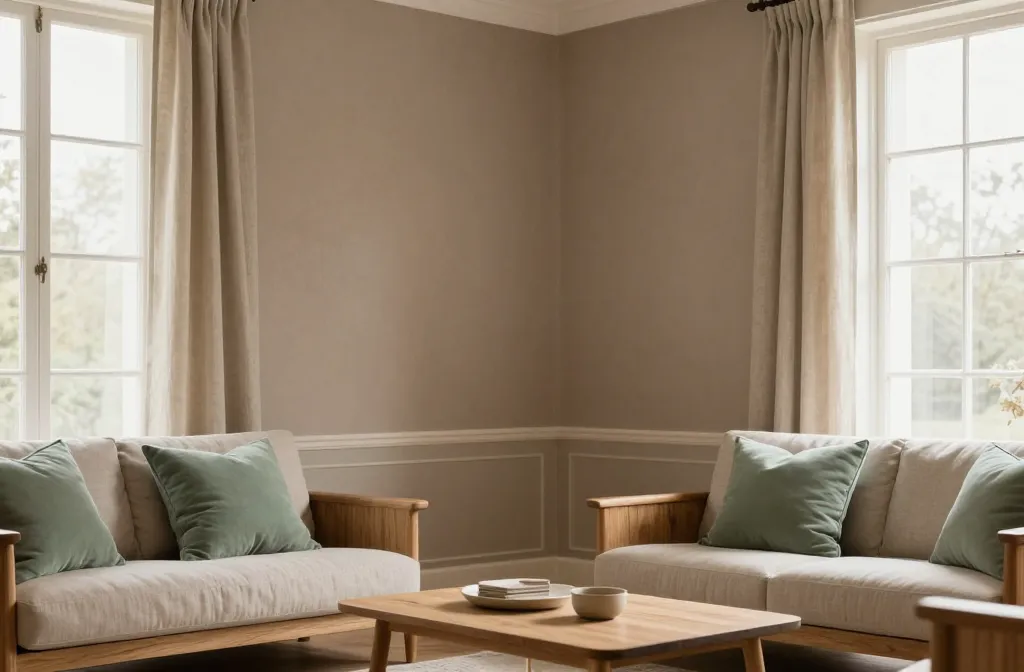
1. Earthy Taupe Walls With Cream Trim

Taupe walls paired with creamy trim create instant warmth and timelessness. The lack of stark contrast helps rooms feel larger while still feeling grounded in nature.
Signs to Watch For
- Walls look flat or dull under natural light
- Trim appears stark against wall colour
- Room lacks a clear focal point
How to Fix It
- Choose a taupe with warm undertones (not grey). Test swatches on three walls, exposed to daylight.
- Pair with a creamy off-white trim and ceiling for contrast without harsh edges.
- Finish with a soft, matte or eggshell sheen to keep warmth.
What to Use Instead
- Paint: warm taupe (look for “tea” or “latte” labels), creamy trim
- Materials: oatmeal linen curtains, light wood furniture
Takeaway: Start with a warm taupe on two walls and a creamy border to anchor the room today.
2. Sage Green Accents on a Soft Beige Ground
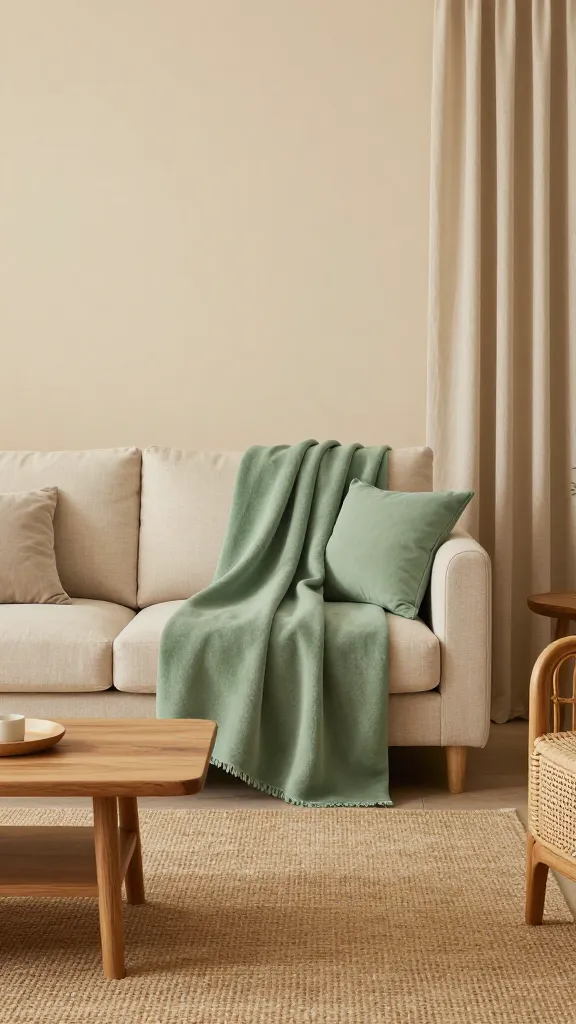
Sage brings an organic, earthy vibe that harmonizes with natural textures. Beige walls keep the space bright while letting green accents pop softly.
Signs to Watch For
- Green elements look jarring against neutral walls
- The room feels too clinical or cool
- Wood tones clash with deep greens
How to Fix It
- Introduce sage in cushions or a throw, not large furniture pieces
- Choose beige walls with a warm undertone; avoid pure white
- Balance with warm wood like oak or ash
What to Use Instead
- Materials: mossy green cushions, olive rug
- Furniture: light oak or ash coffee table
Takeaway: Add one sage accent piece to soften beige walls today.
3. Terracotta and Terracotta-Influenced Neutrals
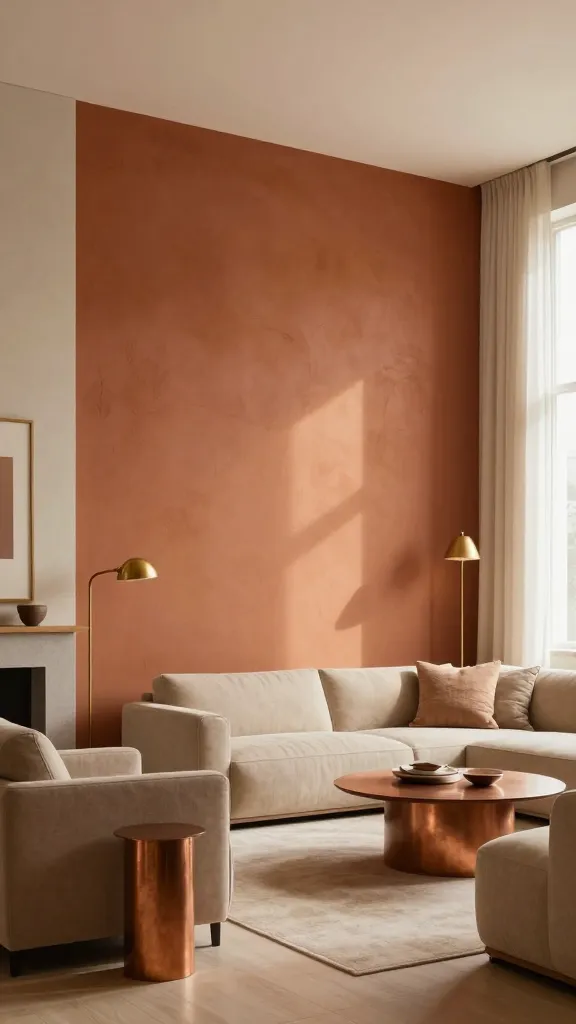
Terracotta warms any space instantly. Pair with neutrals to keep it from feeling overloaded and to mimic sun-warmed clay walls.
Signs to Watch For
- Large blocks of terracotta feel heavy
- Metallics look cold against the palette
- Flooring competes with wall colour
How to Fix It
- Use terracotta as a primary accent rather than the main wall colour
- Incorporate a neutral beige or sand as the base
- Choose warm metal fixtures (brass, copper)
What to Use Instead
- Paint: terracotta or clay on a single feature wall
- Textiles: terracotta throw, taupe curtains
Takeaway: Paint a single feature wall in terracotta and keep others neutral today.
4. Warm Olive Wall Panels With Soft White

Deep olive or olive-tinged greens on walls paired with soft white trim creates a lush, earthy feel that reads as cosy, not heavy.
Signs to Watch For
- Olive looks muddy in certain light
- Contrast with white trim feels too harsh
- Room lacks brightness
How to Fix It
- Balance olive with generous white or warm cream trim
- Keep window treatments light to prevent a cave-like effect
- Choose fabric textures with a slight sheen to catch light
What to Use Instead
- Paint: olive with cream trim
- Textiles: white sheer curtains, cream sofa
Takeaway: Introduce a soft olive feature wall and white accents for instant warmth today.
5. Rich Espresso and Warm Wood Contrast
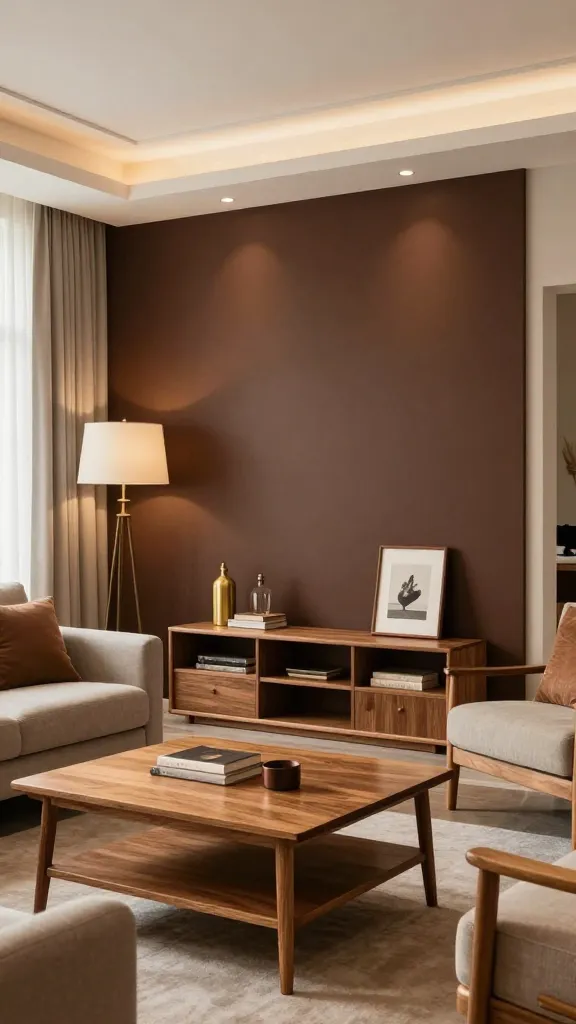
Dark, espresso walls or a feature panel paired with warm wood furnishings exudes refined warmth and grounding energy.
Signs to Watch For
- Dark walls absorb light, making the room feel smaller
- Wood tones look cold or mismatched
- Accessories appear to float without depth
How to Fix It
- Limit dark walls to one accent area; keep rest light
- Match wood tones to warm copper or brass accents
- Use layered lighting to prevent a cavernous feel
What to Use Instead
- Paint: espresso feature wall; lighter neutrals elsewhere
- Materials: walnut or mahogany furniture, copper lamps
Takeaway: Use a single espresso wall as a focal point and illuminate with warm lighting today.
6. Soft Sand and Straw with Linen Textures

Light sandy walls paired with natural linen textiles create a serene, earthy backdrop that stays warm in any season.
Signs to Watch For
- Textiles look dull in daylight
- Walls appear too flat without color variation
- Storage aesthetics feel too minimal
How to Fix It
- Incorporate textured linens in cushions and curtains
- Add a slightly warmer-beige wall colour to avoid starkness
- Introduce a wooden coffee table with a matte finish
What to Use Instead
- Paint: sand beige
- Textiles: flax linen, jute rug
Takeaway: Layer linen textures on a sandy backdrop for warmth today.
7. Warm Grey with Warm Undertones and Brass Accents

Warm grey walls with brass hardware strike a balance between modern and earthy, never feeling cold if done right.
Signs to Watch For
- Grey looks blue or cold in natural light
- Brass appears dull or tired
- Room lacks visual cohesion
How to Fix It
- Test greys with daylight swatches; pick ones with yellow or brown undertones
- Polish brass with a gentle wax to keep warmth alive
- Tie in brass through picture frames, lamps, and side tables
What to Use Instead
- Paint: warm grey; trim in pale cream
- Materials: brass lamps, wood furniture with warm tones
Takeaway: Choose a warm grey and brass accents to create a modern yet earthy vibe today.
8. Honey-Yellow Accents Against Neutral Foundations
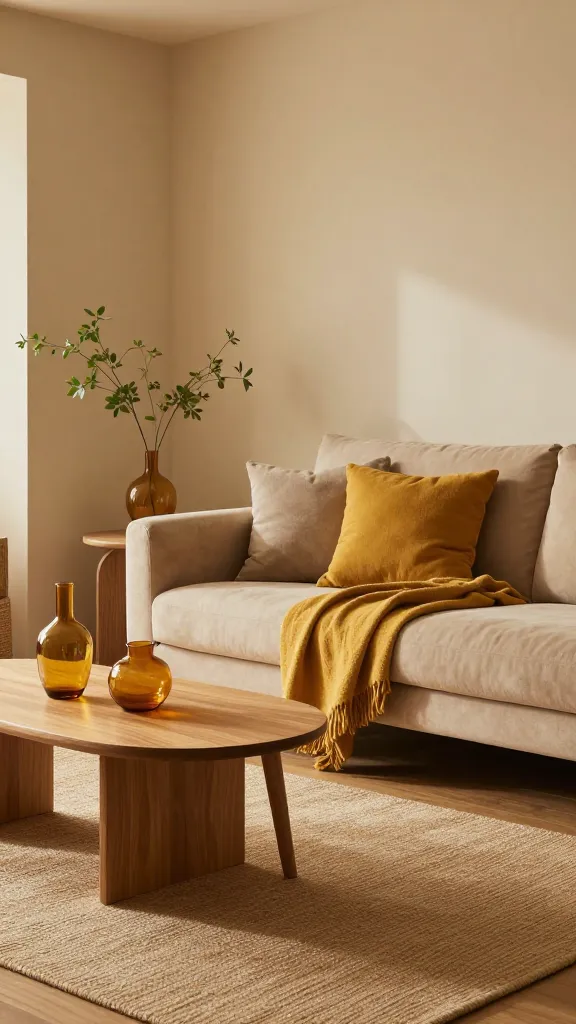
A soft honey or amber accent brings sunshine inside without shouting, pairing beautifully with natural tones.
Signs to Watch For
- Yellow feels too bright or dated
- Accent pieces clash with existing neutrals
- Lighting makes the space look flat
How to Fix It
- Use honey-yellow in small doses: cushions, vases, or a single throw
- Keep walls in warm neutrals to balance brightness
- Add warm lighting to keep the yellow from appearing clinical
What to Use Instead
- Materials: amber glass, mustard cushions
- Lighting: warm LED bulbs
Takeaway: Introduce honey-yellow accents through textiles and decor to lift warmth today.
9. Warm White with Creamy Undertones and Natural Textiles
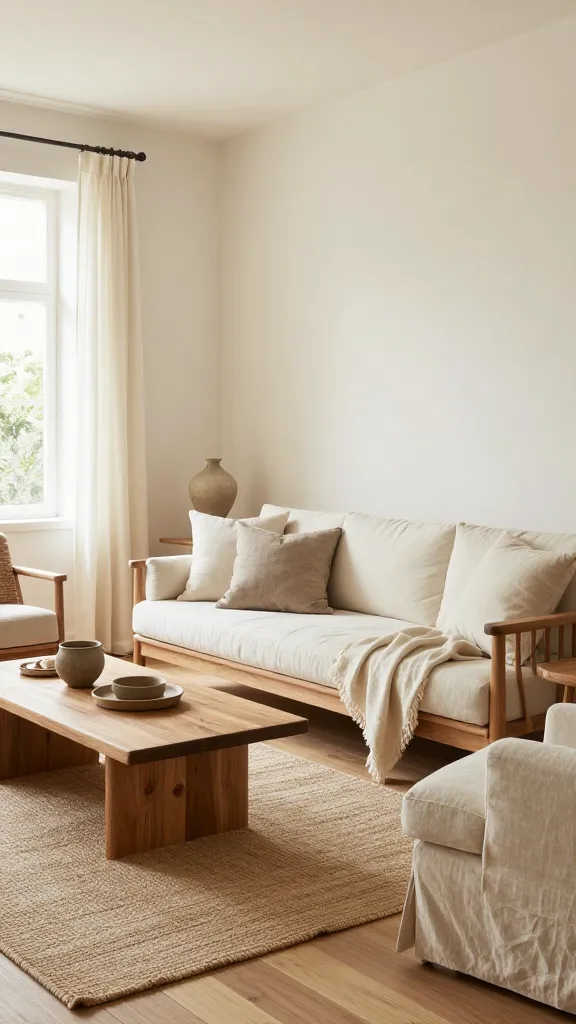
Pure white walls can feel sterile; opting for a creamy white preserves space brightness while staying warm.
Signs to Watch For
- White walls look stark during overcast days
- Natural textures lack contrast
- Décor reads cold against the walls
How to Fix It
- Choose a cream-white with slight yellow or beige undertones
- Balance with warm wood and natural fibers
- Layer textures: cotton, jute, wool
What to Use Instead
- Paint: creamy white
- Materials: jute rug, wool throw
Takeaway: Use a creamy white base and natural textiles to maintain warmth today.
10. Deep Olive-Green Sofa Grounded by Warm Neutrals

When your main seating is a deep olive, the rest of the room should be neutrals with soft textures to keep the palette cohesive.
Signs to Watch For
- Olive sofa dominates the room too heavily
- Walnut furniture looks too dark against the sofa
- Lighting feels insufficient for the seating area
How to Fix It
- Choose neutral walls and light curtains to balance the sofa
- Use wood tones slightly lighter than the sofa for contrast
- Incorporate lighting layers (ambient, task, accent)
What to Use Instead
- Textiles: cream or beige throw, warm-toned cushions
- Furniture: light oak or ash tables
Takeaway: Pair a deep olive sofa with warm neutrals and layered lighting today.
11. Warm Blue-Gray as an Unexpected Anchor
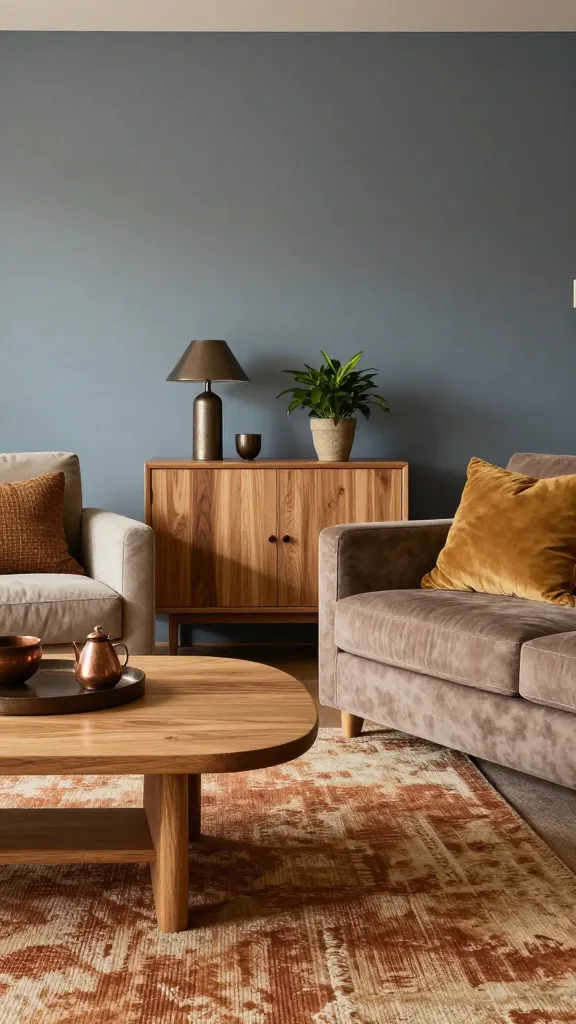
A blue-gray with warm undertones reads sophisticated and cozy when paired with wood and natural textures.
Signs to Watch For
- Blue-gray reads cold in daylight
- Wood and metal finishes clash with the cool hue
- Rugs and textiles don’t feel integrated
How to Fix It
- Test swatches in natural light; opt for ones with a hint of brown
- Introduce warm woods and fabrics with brown undertones
- Choose textiles that reflect warm light, like mustard or terracotta
What to Use Instead
- Paint: blue-gray with warm undertones
- Materials: warm wood furniture, terracotta accents
Takeaway: Use warm blue-gray as a surprising anchor and balance with wood and textiles today.
12. Indoor-Outdoor Blend: Greenery Integrated With Natural Materials
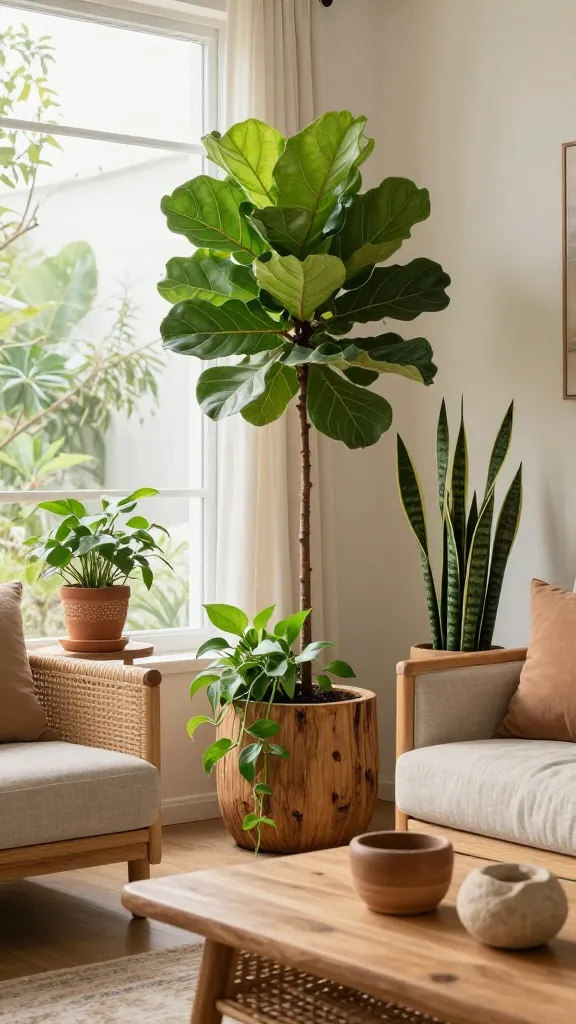
Bringing live greenery and natural materials into the room creates a lived-in warmth that changes with the seasons.
Signs to Watch For
- Plant selection clashes with surrounding colours
- Too many synthetic textures dull the natural feel
- Lighting doesn’t support healthy plant growth
How to Fix It
- Choose plants with earthy tones (fiddle leaf fig, pothos, snake plant)
- Use wooden planters and woven textures to ground the greenery
- Position near a bright indirect light source like a window
What to Use Instead
- Plants: pothos, peace lily, snake plant
- Containers: terracotta pots, woven baskets
Takeaway: Add one live plant group near natural textures today to reinforce warmth.
Frequently Asked Questions
What is the easiest earthy colour to start with if I’m renting?
Start with soft beige or warm taupe on a single accent wall. Keep ceiling white or cream, and use textiles to pull warmth into the rest of the room. You can repaint easily when you move.
How do I know if a colour will feel warm in my room?
Test in daylight on three walls. A truly warm tone will read slightly yellow or brown rather than gray or blue. Compare swatches next to natural wood and warm fabrics.
Can I mix more than three colours in a small living room?
Yes, but limit yourself to three core neutrals and up to three accent colours. Use textures and finishes to differentiate areas instead of many distinct colours on walls.
What finishes best preserve warmth?
Matte or eggshell finishes on walls reduce glare and feel cozier. Use satin or soft gloss on trim to keep edges feeling crisp without harsh reflections.
How can I keep the room feeling larger with earthy tones?
Light, warm neutrals on walls with generous natural textiles and layered lighting expand perceived space. Avoid heavy, dark furniture dominating the room; choose pieces with warm wood tones.
What about flooring choices?
Warm wood tones or beige carpeting with a soft texture work best. If you have cool flooring, introduce warmth with a large area rug in terracotta, olive, or sandy beige.
Conclusion
Earthy tones offer an honest, comforting feel that suits apartment living perfectly. Start small: pick a warm base colour, bring in one or two natural textures, and add living greenery. Once you see how warmth changes the room, you’ll want to apply these ideas across other spaces. Ready for a next step? Try swapping one cushion for a warm, earthy hue and notice the difference in mood immediately.
Leave a Reply