7 Dark Bedroom Ideas That Feel Cozy and Warm, Not Gloomy
· thehazelcottage@mail.com
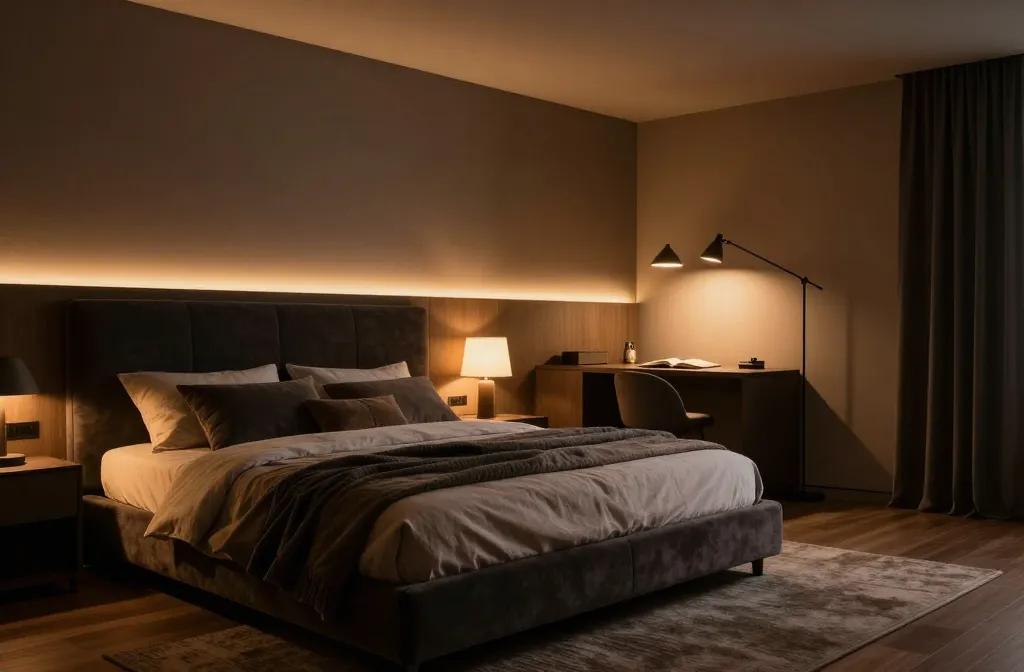
I’ve redesigned several bedrooms into warm, sleep-friendly retreats despite limited natural light. The key is embracing depth, texture, and purposeful lighting. In this guide, you’ll learn seven actionable ideas that transform a dark bedroom into a cozy haven without feeling heavy or oppressive.
1. Layered Lighting That Never Feels Dim
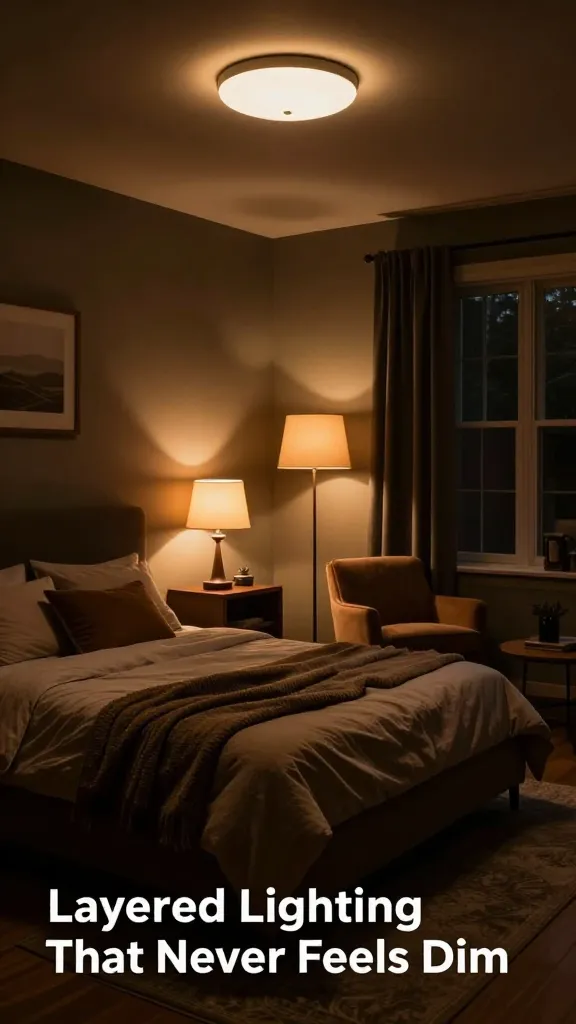
In a dark room, a single overhead light can magnify gloom. Layered lighting adds warmth and gives you control over mood from bright to soft, depending on the hour.
Signs You Need More Light Layers
- The room feels flat and shadowy even with lamps on
- Cluttered surfaces reflect little light and look dull
- You rely on a single lamp to read or work
How to Fix It
- Use a combination of ceiling lights, a table lamp, and a floor lamp near the seating area
- Choose warm white bulbs (2700K–3000K) for a cozy glow
- Incorporate a small, dimmable LED strip behind a headboard or under shelves
What to Use Instead
- A basic desk lamp for reading — 1,000–1,500 lumens is plenty
- A floor lamp with adjustable arms for directing light to a bedside table
- Warm LED string lights tucked along the headboard or behind a mirror
Takeaway: Create a layered lighting plan with at least three independent light sources and dimmers to tailor the mood.
2. Rich Textures that Absorb Light, Not Drama
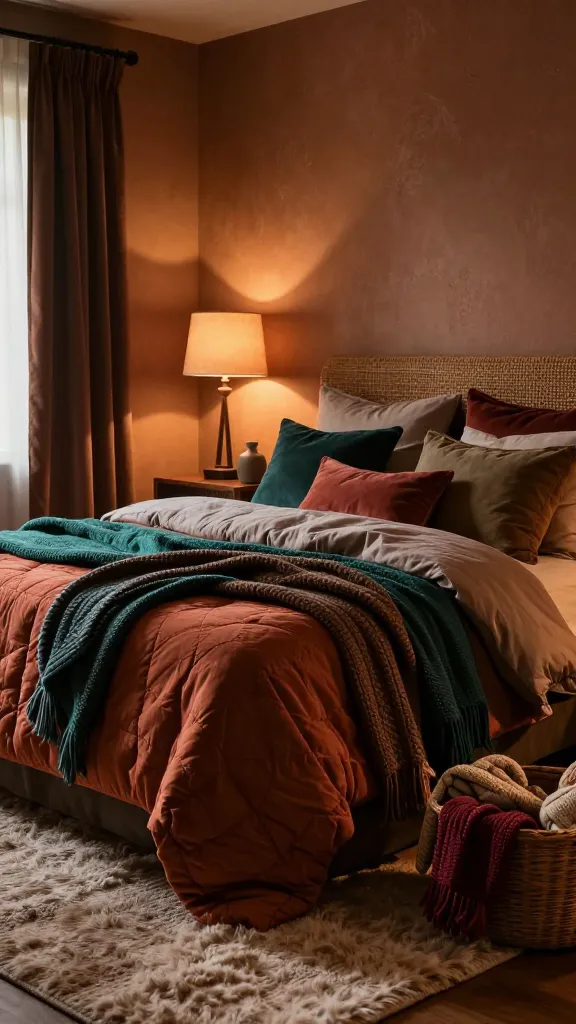
A room can feel warm even with little natural light if textures take center stage. Texture adds warmth by absorbing light rather than reflecting it harshly.
Signs Texture Is Missing
- Flat surfaces like paint walls feel cold or unfinished
- Bed linens look thin or shiny, reflecting harsh light
- Flooring appears stark and clinical
How to Fix It
- Layer blankets, throws, and cushions in earthy tones or deep jewel hues
- Choose a plush rug that covers a substantial portion of the floor
- Incorporate woven baskets, cork, or wood accents for natural warmth
What to Use Instead
- Fleece or knitted throws for the bed, 60–90 cm wide
- A thick area rug sized to frame the bed (at least 60 cm around)
- Textured pillows with a mix of velvet, linen, and wool
Takeaway: Use varied textures to catch and soften light, creating tactile warmth you can feel as you walk in.
3. Deep, Calm Color Palette That Feels Snug

Dark walls can terrify beginners, but a carefully chosen deep palette creates intimacy without overpowering the space. The trick is balance with neutrals and plenty of texture.
Signs Your Palette Is Off
- Walls look oppressive rather than inviting
- Light reflects harshly off furniture and trim
- The room lacks visual resting places for the eyes
How to Fix It
- Paint accent walls in a soft, dark tone like charcoal, navy, or deep olive
- Pair with lighter trim and furniture in off-white or warm gray
- Introduce lighter textiles to break up the darkness in a deliberate way
What to Use Instead
- Matte finishes for walls to reduce glare
- Light-colored bed linens and curtains to balance depth
- Decor in natural wood tones to soften contrast
Takeaway: Use a dominant dark shade with safe, lighter accents to maintain warmth and reduce glare.
4. Cozy Corners: Nook-Style Seating for Comfort
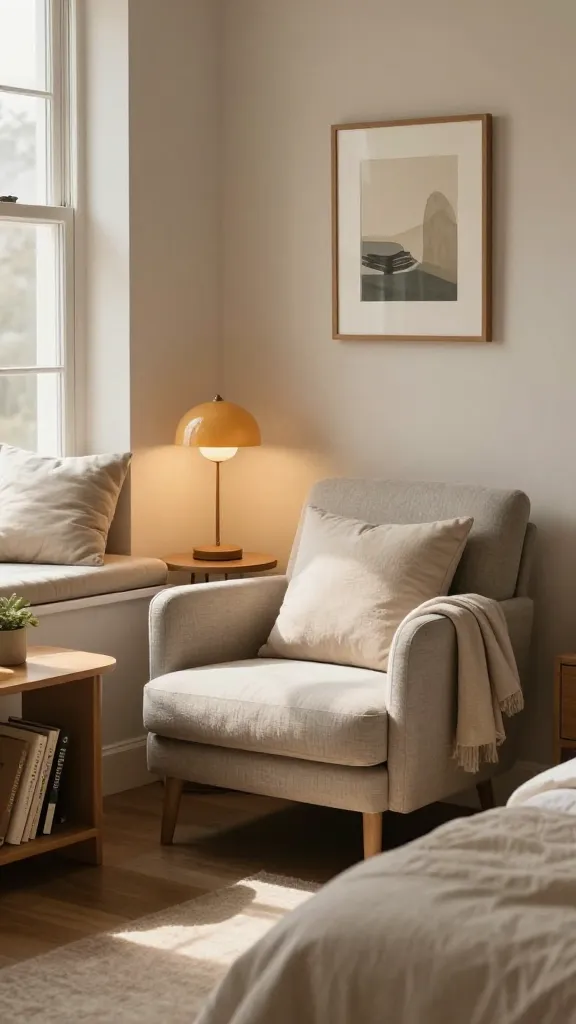
A small, inviting seating nook can transform how the room feels. It creates a warm spot for reading, snuggling, or simply unwinding before sleep.
Signs You Need a Cozy Corner
- There’s no dedicated space to relax beyond the bed
- One chair in the corner feels abandoned and unused
- The room never draws your eye to a single focal point
How to Fix It
- Place a compact accent chair or a window seat with a cushion and a throw
- Add a small side table and a warm lamp for evening reading
- Hang a art piece or mirror to visually anchor the corner
What to Use Instead
- A compact, padded dining chair or a bean bag for flexibility
- A small ottoman that doubles as a footrest
- A soft-area rug to define the nook
Takeaway: Create a distinct, inviting corner with a chair, lighting, and a small table to add warmth without crowding the space.
5. Soft Window Treatments That Lighten the Mood
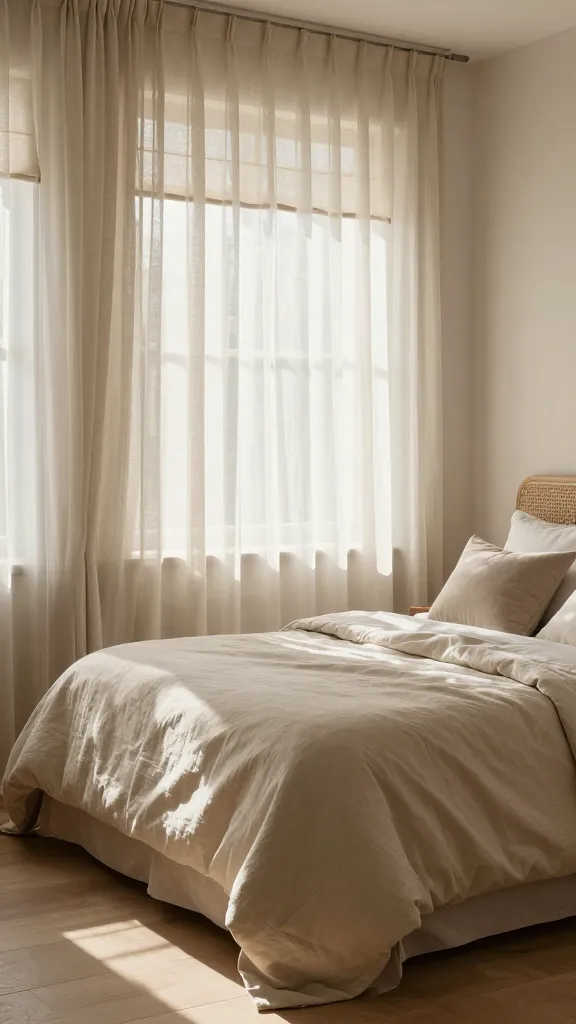
Proper window treatments can dramatically affect how warm a room feels. Heavy drapes absorb light and can make a room feel boxed in; lighter fabrics invite a cozier glow.
Signs Your Windows Are Drab
- Natural light is blocked or filtered too harshly
- The room feels smaller or more closed in than necessary
- Sunlight creates sharp shadows at certain times of day
How to Fix It
- Opt for light, breathable fabrics like linen or sheer cotton
- Choose pale neutrals with a hint of warmth (ivory, pale sand, taupe)
- Hang curtains closer to the ceiling to visually enlarge the room
What to Use Instead
- Sheer roller shades that soften ambient light
- Layered curtains: a sheer layer plus a lighter-weight blackout for sleep
- Natural woven shades that add texture without soaking up all light
Takeaway: Use light fabrics and strategic layering to maintain brightness while preserving warmth and privacy.
6. Natural Wood and Warm Metals for Subtle Luxe
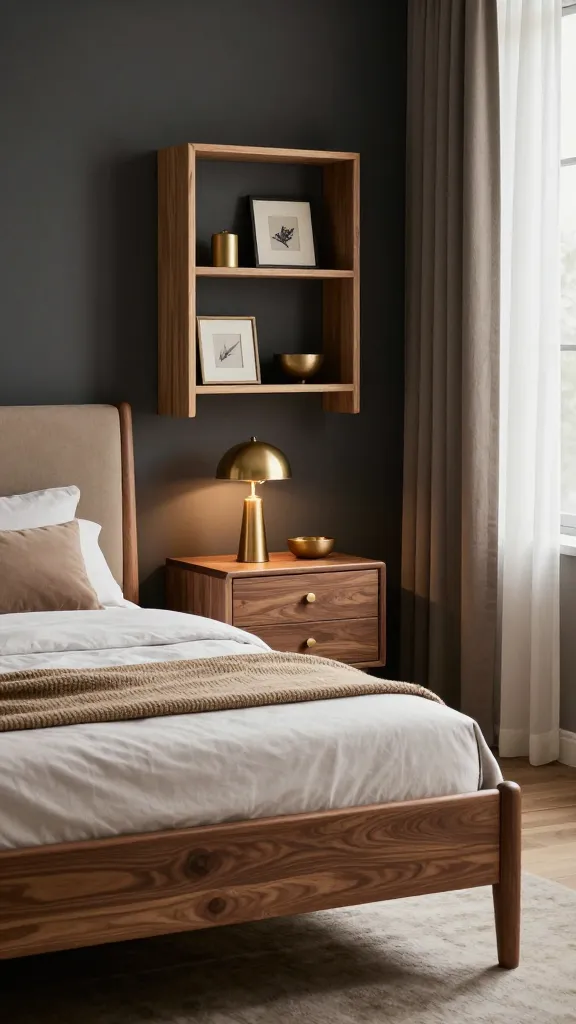
Metallic accents and wood tones bring warmth back into a dark room without shouting. This balance elevates the space while keeping it comfortable.
Signs You’re Missing Subtle Luxe
- Metallics look cold or jarringly reflective
- Wood elements feel utilitarian rather than inviting
- There’s no sense of continuity across furniture and decor
How to Fix It
- Incorporate a wood bed frame, nightstands, or a shelving unit
- Choose warm metal finishes for small hardware or lamp bases
- Use decorative bowls or frames in brass, copper, or brushed bronze
What to Use Instead
- Unfinished or lightly stained wood for a cozy, natural look
- Aged brass or bronze finishes to add warmth without glare
- Decor items that reflect warm light, like amber glass
Takeaway: Subtle wood and warm metals anchor the room in warmth and cohesion without overpowering the space.
7. Sleep-First Bed Setup: Comfort Without Clutter
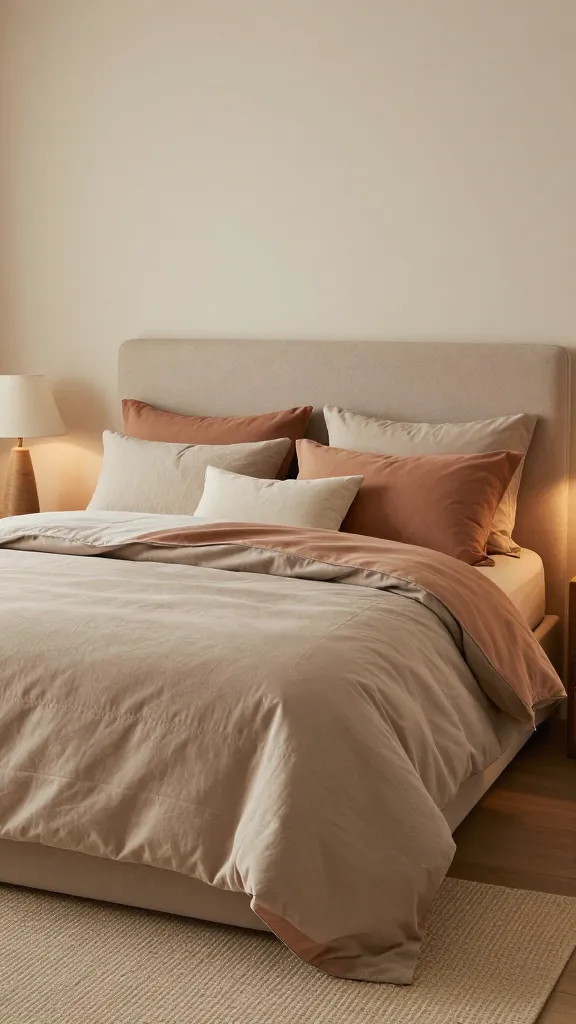
The bed is the room’s centerpiece. When it’s designed for comfort and calm, the entire space feels more inviting and less stark.
Signs Your Bed Setup Feels Unwelcoming
- Bulky headboards or overly bright bedding wake you at night
- Exposed electrical cords or clutter around the bed
- Too-small pillows or insufficient layers make the bed feel cold
How to Fix It
- Choose a medium-sized headboard or a padded wall-panel for comfort
- Use a duvet or quilt in warm tones with a soft, breathable cover
- Keep cords hidden and create a small nightstand setup with a lamp and a book
What to Use Instead
- A weighted blanket for cozy weight and warmth
- Two to four decorative pillows that invite touching and relaxation
- A low-profile bed with built-in storage to reduce clutter
Takeaway: Design the bed as a sanctuary using warm textiles, gentle lighting, and a tidy surrounding to radiate coziness.
Frequently Asked Questions
How can I brighten a very dark bedroom without adding harsh light?
Start with layered lighting and warm bulbs (2700K–3000K). Add a large mirror to reflect light from lamps and windows. Use light-colored linens and curtains to bounce what little natural light you have around the room. Finally, keep surfaces clear of clutter to prevent shadows from accumulating.
What are practical paints to keep in a small, dark room feeling warm?
Choose warm neutrals like soft greiges, warm whites, or greys with a warm undertone. Matte finishes reduce glare and keep the room feeling cozy. Test swatches on the wall for a week to confirm how they look with your lighting at different times of day.
How do I choose textiles that maximize warmth?
Layer textiles with varying textures: velvet or microfleece for throws, cotton sheers for curtains, and wool blends for cushions. Use a rug that covers at least half the floor and feels plush underfoot. Darker textiles can hide minor dust and wear while still feeling warm.
What simple changes make the biggest difference fast?
Replace a single overhead bulb with a dimmable warm LED lamp, add a textured throw and a soft rug, and adjust window treatments to soften incoming light. These small changes dramatically alter mood without a full redesign.
Should I worry about color psychology in a dark bedroom?
Color affects mood, but comfort is the priority. Start with a warm base (cream, taupe, or warm gray) and add accent pieces in deeper hues like navy or forest green. The key is balance rather than strict adherence to color theory.
How long should I wait before judging a new setup?
Give changes two to four weeks to settle and for you to adjust. Lighting, textiles, and furniture arrangement can feel different as you move through seasons and routines. Revisit intensity and balance after this period.
Conclusion
With these seven practical ideas, a dark bedroom can feel as welcoming as a sunlit space. Start with layered lighting and texture, then gradually introduce warmth through color, textiles, and careful furniture choices. You’ll create a cozy haven that looks thoughtful, not gloomy.
Leave a Reply