Small Bedroom Ideas: Cozy and Earthy Without the “Go Light” Rule
· thehazelcottage@mail.com
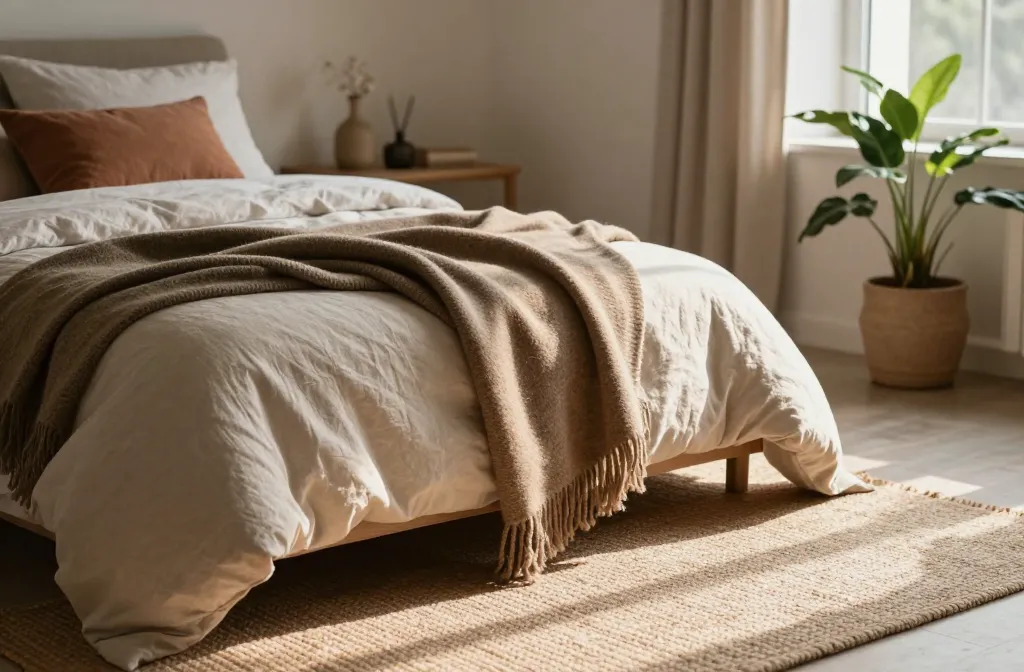
Every small-bedroom guide says the same thing: go light. Pale walls, pale furniture, a mirror angled to catch whatever daylight you’ve got. That’s good advice for a room that wants to look bigger by disappearing. It’s not advice you can follow if you also want a bedroom that feels earthy and warm, because warmth has weight to it — hazel, clay and bark aren’t light colours. So can a small room actually be both cosy and earthy? Yes. It just needs to get its sense of space from somewhere other than the walls.
1. How Do You Add Warmth to a Small Bedroom Without Pale Walls?
Take colour off the walls and put it into texture instead — a jute rug, coarse cotton, a linen pillowcase. Texture reads at close range, exactly the range a small bedroom puts you at.
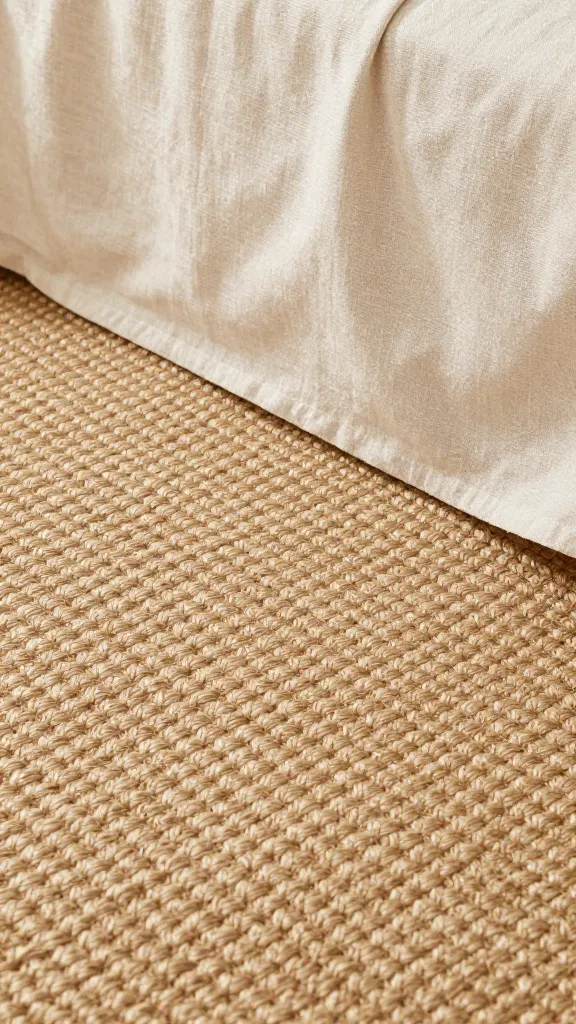
The instinct with a small room is to remove things until it feels open. The better instinct, if you also want it to feel earthy, is to take colour off the walls and put the warmth into texture instead. A jute rug with a coarse cotton sheet draping onto it does more for the “cosy” feeling than a wall colour ever will, because texture reads at close range — exactly the range a small bedroom puts you at.
I know this because of a winter lunch at a place called Le Plateau du Retort — a year-round restaurant run by two farmers in the French Alps where the entire menu is gratin dauphinois, steak and a fresh salad. In winter the surrounding fields become a cross-country skiing wonderland, and at lunch the restaurant fills with skiers. You can’t wear ski boots inside, so you swap them for shoes and step onto the floor. It’s cold. But scattered under the tables are thick jute mats, and the moment your feet hit them, the whole experience shifts — from institutional cold to something warm and grounded. That’s texture doing work that no wall colour could.
Your bare feet hitting the jute at 6am feel something grounded instead of shocking cold floorboards. In a cold climate, that rug is a thermal buffer — you can lower the thermostat by a degree or two because the floor isn’t stealing heat from your feet. In a hot climate, swap the jute for a thin cotton rug. Same texture, less weight. Research on biophilic design shows that incorporating natural textures into indoor spaces reduces stress and improves wellbeing — your guests may not articulate why the room feels welcoming, but their nervous systems register the jute, the linen, the rough weave and respond.
Takeaway: Warm neutral walls. Textured floor and bed. Let texture carry the warmth, not colour.
2. How Many Dark Accents Should a Small Bedroom Have?
One. The deepest earthy tones — clay, bark brown, true taupe — are gorgeous in a single throw and overwhelming across four walls. Functional first, aesthetic second.
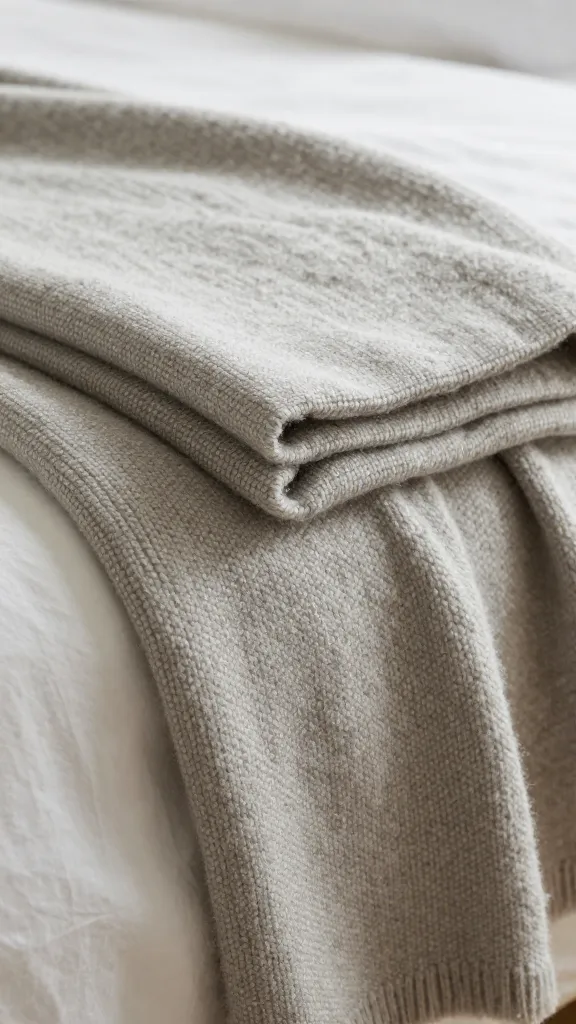
This is the rule that actually resolves the tension: the deepest, richest tones in an earthy palette — a true clay, a real bark brown — are gorgeous in small doses and overwhelming in large ones. One wool throw in a deep taupe or clay does more work folded at the foot of the bed than the same colour spread across four walls ever would.
Here’s why one dark piece works: you reach for that throw on a cold night and it’s right there. It’s functional first, aesthetic second. In a hot climate, swap the wool for a lightweight cotton throw in the same deep tone. You still get the visual anchor, but without the thermal weight. The throw becomes a summer layer you can kick off, not a year-round commitment.
I used to paint small rooms deep colours, and they felt closed in, overwhelming. Now I keep the walls warm neutral, and let one piece — a throw, a rug, a headboard — carry the depth. The deep taupe throw at the foot of the bed is intentional, not accidental. Everything else stays lighter, so that one piece actually reads as a choice, not a mistake.
Takeaway: One dark accent per room. Functional first, aesthetic second. Climate-appropriate weight.
3. What’s the Best Lighting for a Small Cozy Bedroom?
Skip the mirror-as-main-light-strategy. Layer warm-toned lamps with fabric or paper shades so the glow itself becomes part of the room’s texture, not a reflection off glass.
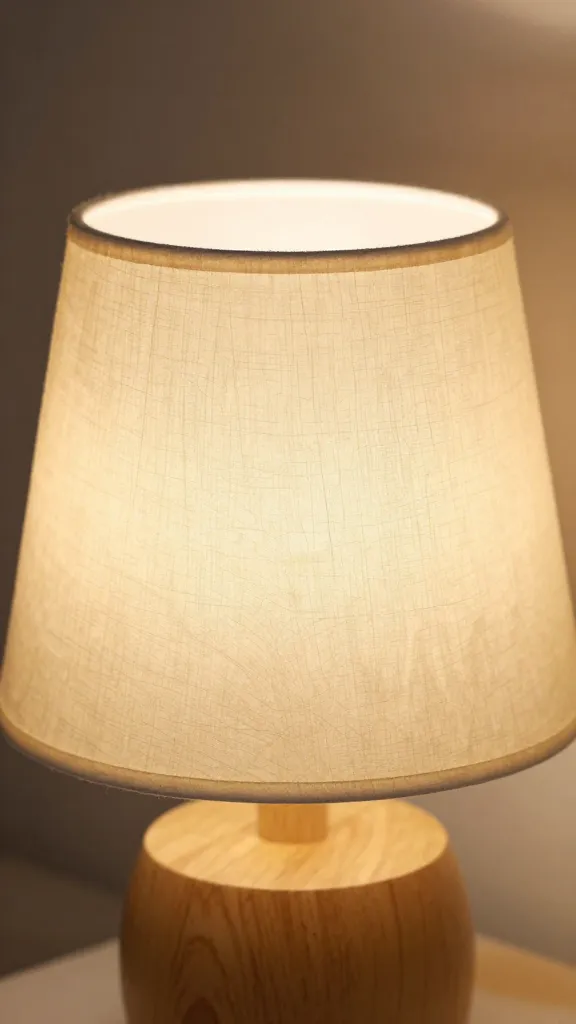
Standard small-space advice reaches for a mirror to bounce light around and fake extra square footage. As the room’s primary light strategy, it tends to read cold and slightly showroom — exactly what an earthy bedroom is trying to avoid. A warmer move is to layer in light sources instead: a bedside lamp with a fabric or paper shade, positioned so the glow itself becomes part of the room’s texture rather than something bounced off glass.
That said, a mirror isn’t the enemy. My husband and I have very different sleeping patterns — he stays up until 2am while I’m often up at 3am — and the nicest part of the day is lying in and reading. A soft low-wattage lamp by the bedside is perfect because it lets us read without disturbing the other. But we do like a mirror placed around or behind the lamp to reflect some light back into the room. The key is that the mirror serves the warm lamp, not the other way around. The lamp is the source; the mirror is the supplement.
Research on lighting and circadian rhythms shows that warm-toned light in the evening supports melatonin production and improves sleep quality. You’re not just decorating; you’re building a sleep routine. The warm glow signals “wind down time” to your brain — and that matters more in a small bedroom where you’re never far from the bed.
Takeaway: Warm-toned bulbs. Fabric shades. Low wattage for bedside reading. A mirror behind the lamp is fine; a mirror as the main light strategy isn’t.
4. Is Linen Bedding Worth It for a Small Bedroom?
If you upgrade one thing, make it the bedding. Linen breathes, wrinkles well, and softens with use — and the bed is the largest surface in a small room, so it sets the tone.
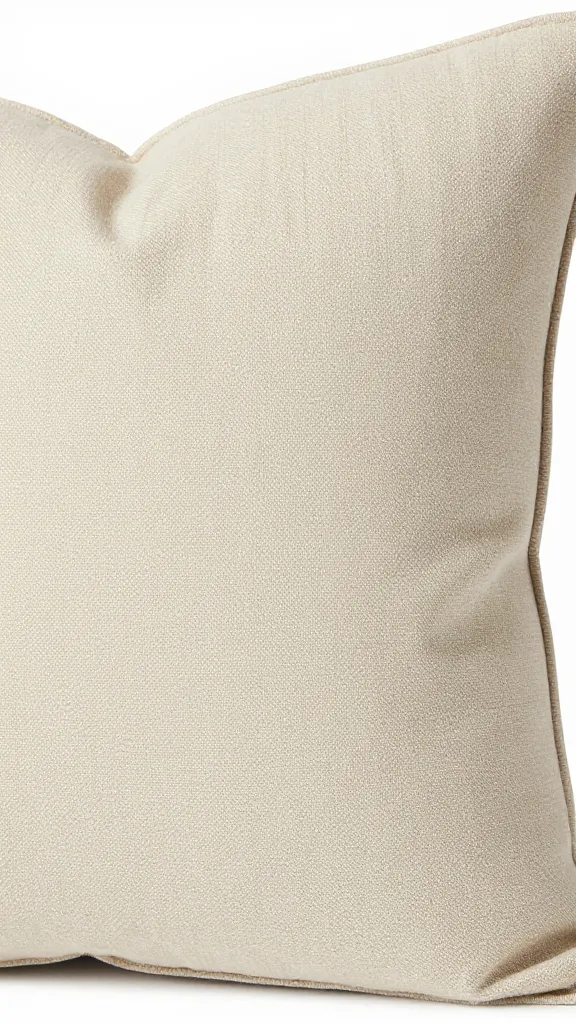
A linen pillowcase in a warm, slightly uneven weave catches shadow in a way flat synthetic fabric never will, and because the bed is the single largest surface in a small room, whatever it’s dressed in sets the tone for everything else. Linen breathes so you don’t wake up sweaty at 3am. The wrinkles mean you don’t have to make the bed perfectly every morning — a rumpled linen duvet looks intentional, not messy.
The science backs this up. A 2024 systematic review of bedding fibre types and sleep quality found that linen bedsheets promoted better sleep than cotton under warm conditions, thanks to superior breathability and moisture management. A systematic review of sleepwear and bedding fibres found linen performs well against cotton in warm conditions, letting perspiration pass through and favour natural thermoregulation, keeping the microclimate between your skin and the fabric dry and temperate all night.
Here’s how the main bedding fabrics compare:
| Linen | Cotton | Polyester | |
|---|---|---|---|
| Breathability | Excellent — highest air permeability | Good — varies by weave | Poor — traps heat |
| Moisture-wicking | Superior — absorbs 20% of its weight without feeling damp | Moderate | Limited — sleeps clammy |
| Texture | Visible weave, softens with every wash | Smooth, can pill over time | Flat, synthetic feel |
| Durability | Decades — gets better with age | Moderate wear | Degrades, pills quickly |
| Best climate | Hot & humid (also layers well in cold) | All-round | Avoid for sleep |
I used to buy polyester bedding because it was cheap and came in every colour. Then I slept on linen sheets, and I realised what I’d been missing. The linen has texture — it holds a crease, it softens with use, it breathes. The polyester felt plastic by comparison. Now all my bedding is linen, and it’s the least visually loud way to add texture, and it’s the one thing you touch every single night.
Takeaway: Linen bedding. Breathes, wrinkles well, softens with use. Layer for climate.
5. What’s the Best Plant for a Small Bedroom?
One plant in a terracotta pot, placed where it catches morning light — a nightstand or windowsill. You see green first thing, which research confirms reduces stress and restores attention.
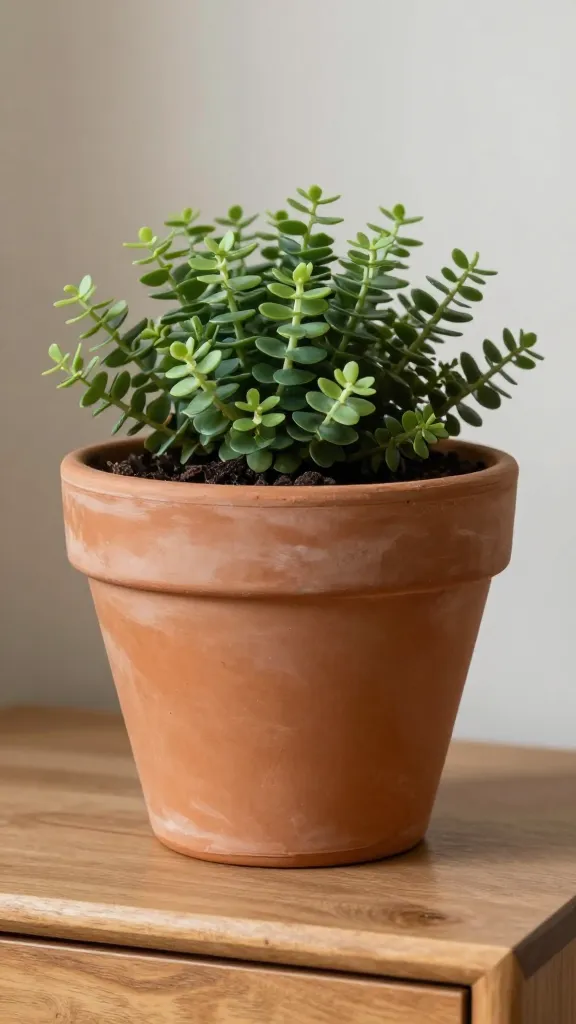
One well-placed plant earns its space in a small bedroom; three scattered ones start to compete with the room for air. Terracotta reads warmer than a glazed or plastic pot and sits comfortably inside an earthy palette without trying — put it somewhere it catches morning light, a nightstand or a windowsill, rather than tucking it into a corner where it becomes one more thing crowding the floor.
You see green first thing in the morning, which WHO research on green spaces confirms reduces stress and restores attention. You’re not just decorating; you’re building a morning routine that starts with something alive. In a low-light room, swap the pothos for a snake plant — it tolerates shade and still gives you that morning green.
I used to fill small rooms with plants, and they felt crowded, not fresh. Then I learned restraint. Now I have one plant — a pothos on the nightstand, catching morning light. It adds life without competing. The terracotta pot reads warm, earthy, grounded. Restraint here isn’t a compromise. In a room this size, one plant chosen well says more than a shelf of them.
Takeaway: One plant. Morning light. Terracotta pot. See green first thing.
6. What Should Be on a Small Bedroom Nightstand?
Three items maximum. A ceramic mug, a candle, one book. The moment it collects more, the whole room starts to feel smaller — not the nightstand.
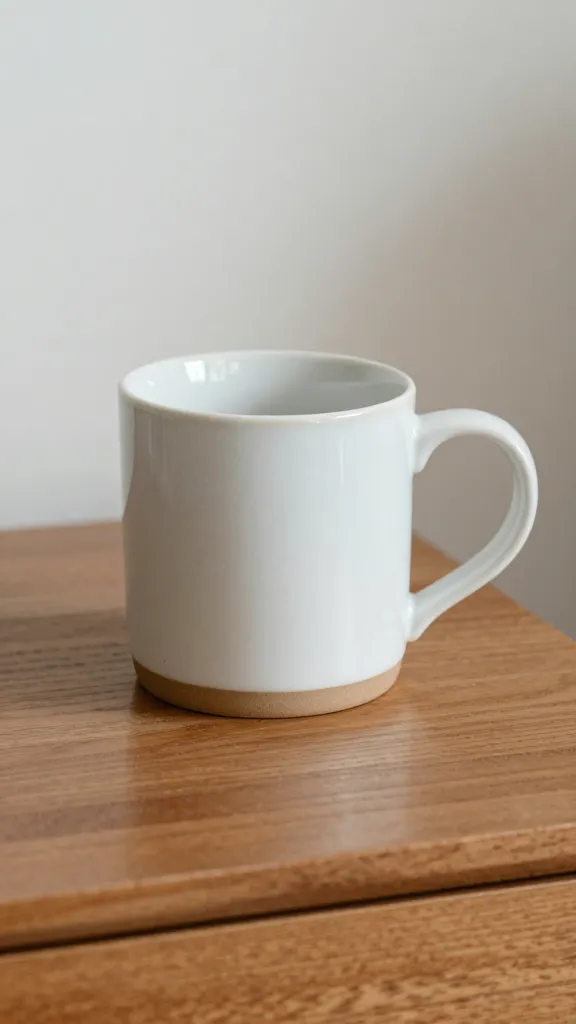
I’ve started judging a small bedroom by what’s allowed to sit on the one surface within reach of the bed. A ceramic mug, a candle, a single stack of books — that’s a nightstand doing its job. The moment it collects more than three or four things, the whole room starts to feel smaller, not the nightstand. If you take nothing else from this piece, take the habit of clearing that surface once a week. It does more for the calm, earthy feeling than any purchase will.
Your phone charger has a home, not tangled on the floor. Your water glass doesn’t get knocked over by a stack of books. Three items maximum means you actually use what’s there — a mug for morning coffee, a candle for evening wind-down, one book you’re actually reading. Everything else is clutter that makes the room feel smaller.
I used to let the nightstand become a dumping ground — books, chargers, lotions, random objects. It looked messy and felt stressful. Then I learned the rule: three or four items maximum. A ceramic mug. A candle. One stack of books. The nightstand looks intentional, not accidental. And if there’s room beside the bed for a small chair and a floor lamp, that’s where the room really starts to feel like a retreat — not just a place to sleep, but a place to sit with a cup of tea and a book.
Takeaway: Three items maximum. Clear weekly. Charger has a home. Use what’s there.
7. What Are the Best Sheets for a Small Bedroom?
Organic cotton in a natural, undyed tone. The weave matters more than thread count — percale for hot climates, flannel for cold. No dye, no chemical smell.
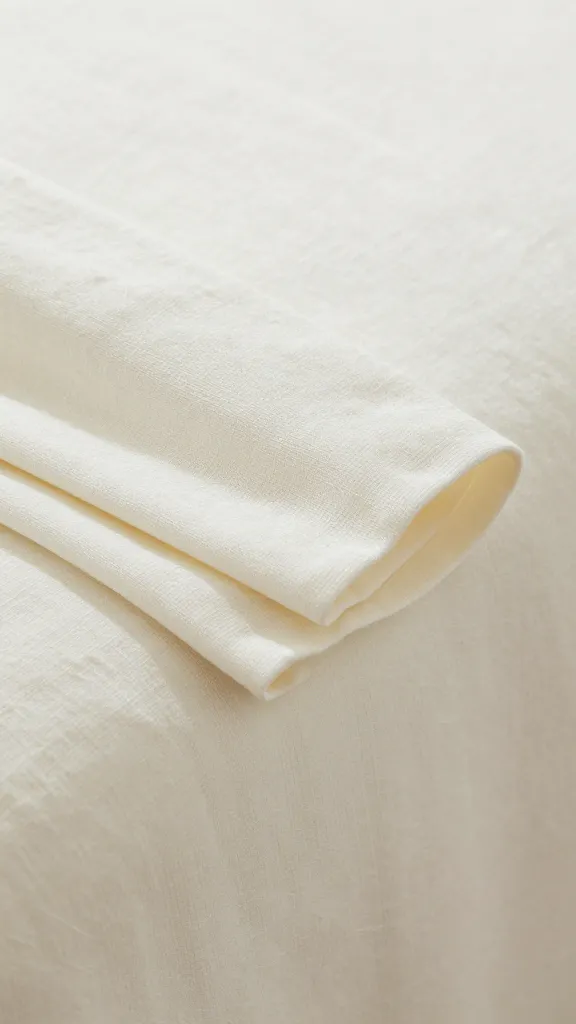
Once the bedding’s the right material, the next upgrade is thread count and weave, not colour. Organic cotton sheets in a natural, undyed tone add texture without adding another colour decision to the room, and they’re the layer that’s actually against your skin every night, which matters more than almost anything else on this list.
No chemical smell, no dye transfer onto your skin — and that matters because conventional cotton farming uses significant pesticide loads, and trace residues have been detected on finished products, particularly in flannel, percale, and unwashed sateen. GOTS-certified organic cotton audits the entire supply chain — farm, not just finished textile — eliminating formaldehyde finishes, azo dyes, and PFAS-based treatments that conventional finishing leaves behind. The weave matters more than thread count for breathability: a tight weave traps heat, a loose weave lets air through. In a hot climate, choose a percale weave (crisp, cool). In a cold climate, choose a flannel weave (soft, warm). Same material, different feel.
I used to buy coloured sheets to match the room, and they faded, pilled, and looked tired. Then I switched to organic cotton in a natural, undyed tone, and the whole dynamic changed. The sheets add texture without adding colour decisions. They’re against my skin every night, and they feel good. If your budget only stretches to one purchase this month, this is the one.
Takeaway: Undyed cotton. Weave over thread count. Percale for hot, flannel for cold.
8. How Should You Drape a Blanket on a Small Bedroom Bed?
One blanket with real weight and a visible weave, draped slightly off-centre — not folded flat. You want lived-in, not decorated.
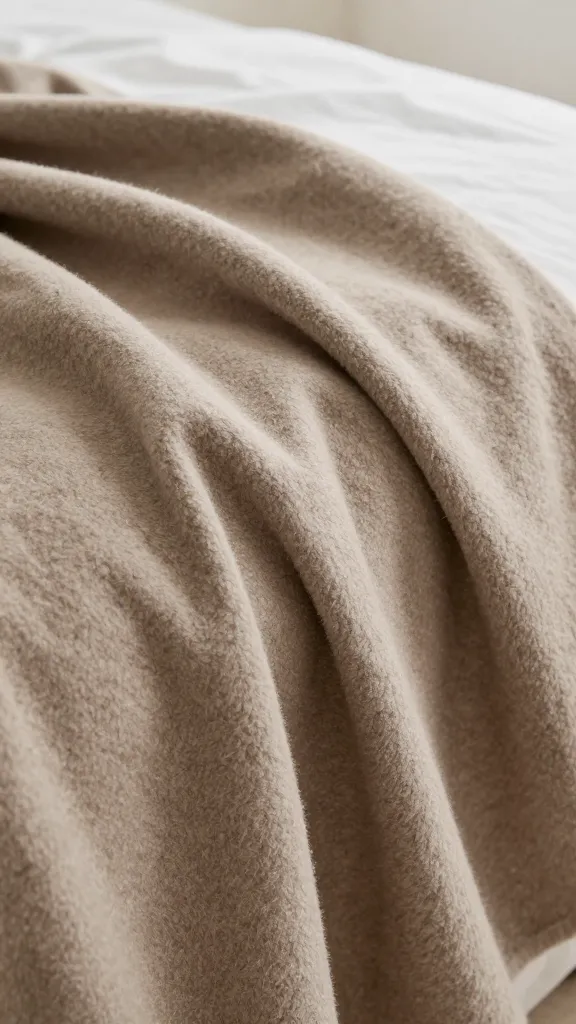
A single well-chosen blanket — undyed wool, something with real weight and a visible weave — layered over the bed and draped rather than folded flat, reads as lived-in. Three blankets in different textures start to look like a display, which is precisely the staged-not-lived-in trap this whole approach is trying to avoid. One blanket, placed slightly off-centre, does more than a perfectly arranged three.
You can grab it at 2am without undoing a perfect fold. And wool isn’t just aesthetic — research from the University of Sydney published in the Journal of Sleep Research found that wool sleepwear and bedding significantly improved sleep onset and sleep quality compared to cotton or polyester. Wool regulates your body temperature through the night, keeping you in the thermal comfort zone for longer, so it’s a year-round layer, not a seasonal commitment. In a hot climate, swap the wool for a lightweight cotton blanket. Same drape, less weight.
I used to layer three blankets perfectly, and the bed looked staged, not slept in. Then I switched to one blanket, draped slightly off-centre, and the whole mood shifted. The blanket has weight, texture, a visible weave. It looks like someone actually uses it, not like it’s been arranged for a photo. The room feels lived-in, not decorated.
Takeaway: One blanket. Draped, not folded. Wool for temperature regulation. Climate-appropriate weight.
9. What Headboard Works Best in a Small Bedroom?
A tall rattan or woven headboard draws the eye upward so the room reads taller, while staying entirely inside the earthy palette — natural fibre, warm tone, visible texture.
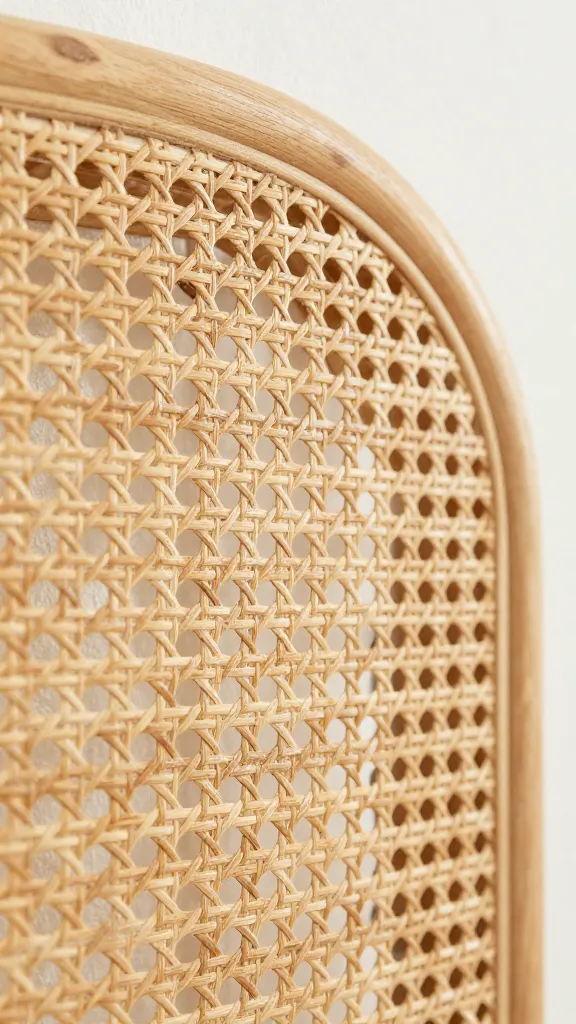
In a small bedroom, the headboard is often the tallest vertical element in the room, which means it’s quietly doing the job people usually hand to a mirror or a pale wall: drawing the eye upward so the room reads taller than it is. A rattan or woven headboard does this while staying entirely inside the earthy palette — natural fibre, warm tone, visible texture — instead of forcing a choice between tall-and-bright or earthy-and-low.
You can lean against it when reading in bed, and it doesn’t feel cold on your back like a padded headboard can after years of use. The rattan or woven texture is warm to the touch — your back hits something natural, not synthetic. If you’re only investing in one furniture piece for this look, make it this one. It’s the piece you interact with every single night.
I used to have a low, padded headboard, and the room felt squat, closed in. Then I switched to a rattan headboard, and the whole space changed. The woven texture draws the eye upward, making the room feel taller. The natural fibre, warm tone, and visible texture keep it earthy — the same principle I leaned on when I worked through my broader farmhouse bedroom ideas, only scaled down for a smaller footprint. The room feels bigger because the vertical line pulls your gaze up instead of across.
Takeaway: Tall headboard. Leaning surface. Warm to the touch. Draws eye upward.
10. What Can You Do With Small Bedroom Walls Instead of Paint?
Cork panelling gives warmth and depth without the visual weight of saturated paint colour. It absorbs sound, works as a pinboard, and is renter-friendly.

This is the part most earthy small-bedroom advice skips entirely: if the walls aren’t going pale, what are they doing instead? A textured wall treatment — cork panelling is a genuinely underused option here — gives you warmth and depth without the visual weight of a saturated paint colour, because it works as texture rather than colour, which is the whole principle this piece has been building toward.
The cork discovery came during a rental in Val d’Isère — a winter holiday, surrounded by wood panelling and wood ceilings and wood floors. Beautiful, but all that hard surface creates echoes everywhere. The cork panelling on the bedroom walls added a softer texture, a visual break from all the timber, and — unexpectedly — real sound insulation. Research published in the Journal of Green Building confirms that cork sheets as thin as 3mm deliver measurable sound absorption, particularly in the mid-frequency range that covers conversation and everyday noise. The room felt quieter, literally and visually.
In a rental, cork is removable in a way paint isn’t. You can take it with you when you move, or leave it for the next tenant. The wall stops being the thing you’re trying to neutralise and becomes one more textured surface working with the room instead of against it.
Takeaway: Cork panelling. Sound absorption. Visual warmth. Renter-friendly.
Frequently Asked Questions
Will an earthy colour palette make my small bedroom feel darker?
Not if the deeper tones live in textiles — a throw, a rug, a headboard — rather than the walls. Keep walls warm-neutral and let texture carry the warmth, not colour.
I’m renting and can’t paint — can this still work?
Almost everything here travels with you: bedding, a throw, a rug, a lamp, one plant. Cork panelling is also removable if you find the right product, making it one of the few wall treatments that works in a rental.
How much of the room should actually be dark, earthy tones versus warm neutral?
Aim for roughly one darker accent for every three or four lighter surfaces. If you can point to more than one place carrying your deepest tone, pull one back.
Do all the wood tones need to match?
No — matching exactly tends to look more like a showroom than a home. A warm oak nightstand next to a slightly different-toned rattan headboard reads as collected over time, which is the feeling this approach is after.
Conclusion
A small bedroom doesn’t have to choose between feeling open and feeling earthy — it just has to get its sense of space from texture, restraint and one well-placed dark accent instead of pale paint. Keep the walls warm and quiet, let the bedding and one deliberate piece carry the depth, and resist the urge to add a second and third accent once the first one’s working. Fewer things, chosen with more care, doing more of the work. If you want to take the same approach beyond the bedroom, my cozy bedroom guide covers the ideas that work for any size room, or explore seasonal botanical ideas for keeping the feeling alive throughout the year.
Leave a Reply