7 Ways to Create a Cozy Rest Corner for Slow Living and Quiet Moments
· thehazelcottage@mail.com
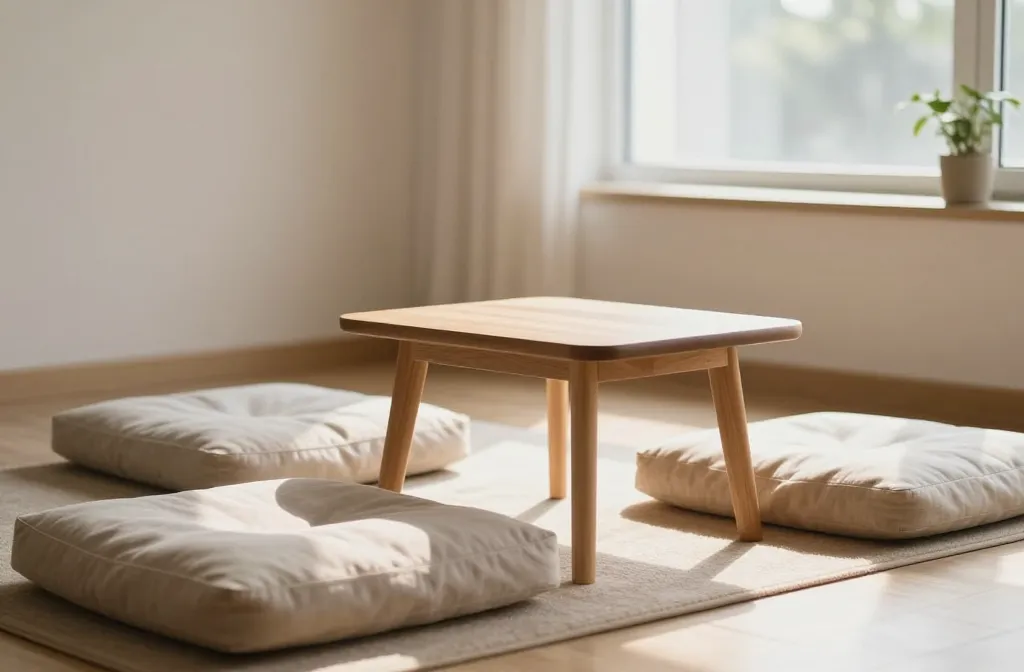
Years of apartment life taught me that a small, thoughtfully arranged corner can become a sanctuary. Not a whole room — just a corner. A chair by a window, a cushion on the floor, a small table with a book and a plant. When your space is cluttered or noisy, the right corner invites slow breathing and small rituals that reset your entire day.
Here are seven practical ways to create a cozy rest nook using simple, affordable steps you can do this weekend. Most of what you need, you already own.
1. How Do You Choose the Right Corner for Rest?
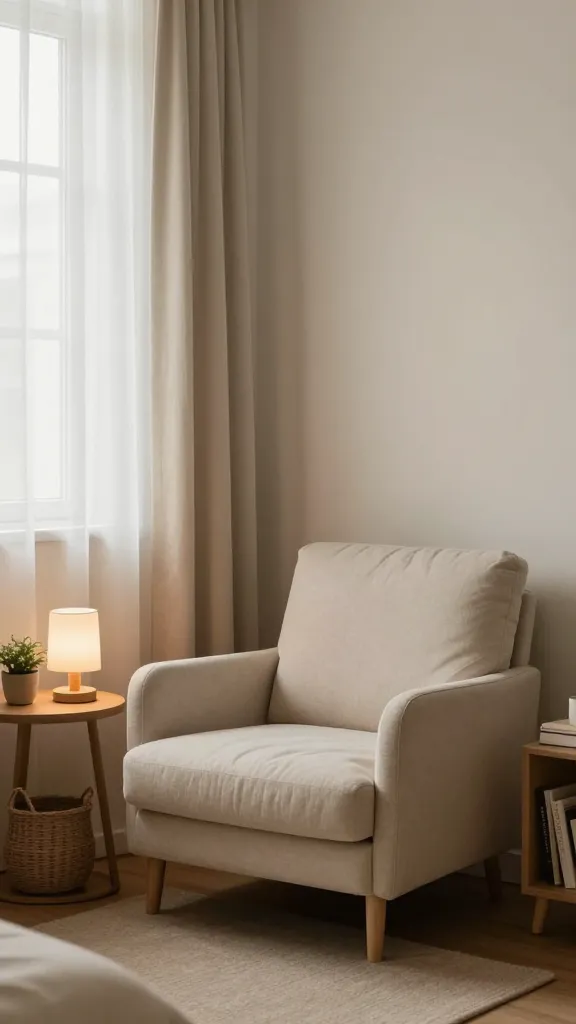
Pick a corner where you can sit without being in the direct line of foot traffic and where natural light is gentle, not harsh. The right spot draws you in; the wrong one creates tension. Look for a place near a window or a soft wall where the room’s noise fades slightly.
Research on biophilic design patterns shows that humans instinctively prefer spaces with a view and a wall behind them — the ancient cave-and-savanna configuration that makes us feel secure and in control. When we feel secure, our stress levels drop. Our bodies relax. We’re more comfortable, more focused, more at ease.
My rest corner is in the living room, tucked between a bookshelf and the window. It’s not a separate room — it’s just six square feet where the light is softer and the foot traffic doesn’t reach. That’s enough. The key is choosing a spot that feels slightly apart, even if it’s in the middle of your main living area.
Avoid corners near the door, the kitchen, or the TV. You want a space that signals pause, not activity. If you can see a window or a soft wall from your seat, you’ll automatically feel calmer.
Takeaway: Walk through your apartment and find the quietest, most light-filled corner. That’s your spot.
2. What Seating Makes Rest Feel Possible?
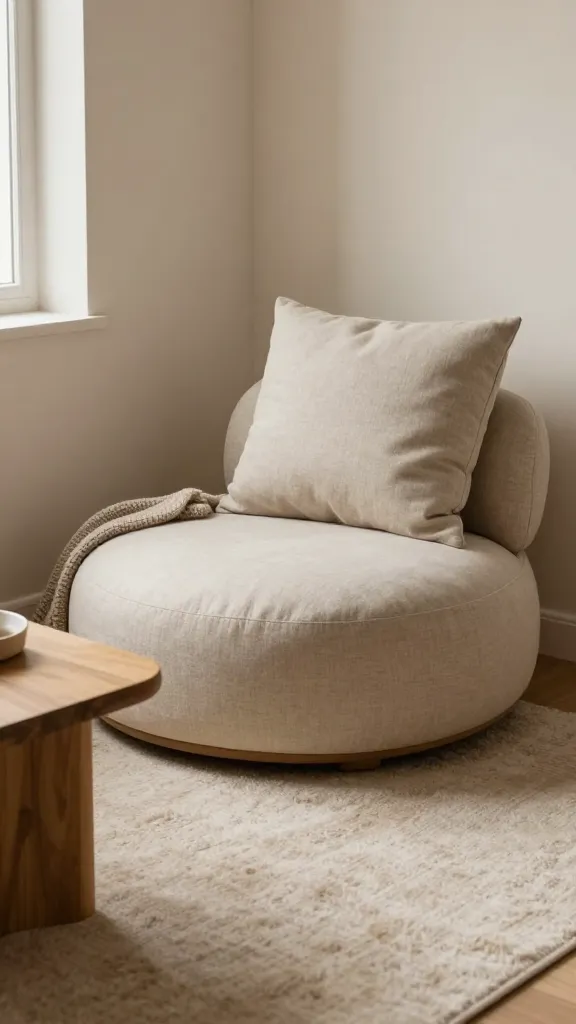
A knee-friendly seat or a plush floor cushion makes rest approachable. You’ll stay longer if the seating is soft but supportive, and the height won’t strain your back when you settle in. A compact chair, a thick cushion, or a beanbag works — whatever invites you to sit.
I started with a dining chair dragged into the corner, topped with a folded blanket. It wasn’t fancy, but it was comfortable enough to sit in for fifteen minutes. That was the test: could I sit there long enough to finish a cup of tea? If yes, it worked. Later, I found a low armchair at a secondhand shop — the kind with wide arms and a deep seat. Now it’s my favourite place in the apartment.
The seating doesn’t need to be expensive or new. It needs to be comfortable enough to stay in. If you’re fidgeting after five minutes, it’s not working. Add a cushion, drape a throw, or try a different chair until it feels right.
Takeaway: Place one seating option where your hips and knees feel comfortable for at least fifteen minutes.
3. How Does Warm Light Transform a Corner?
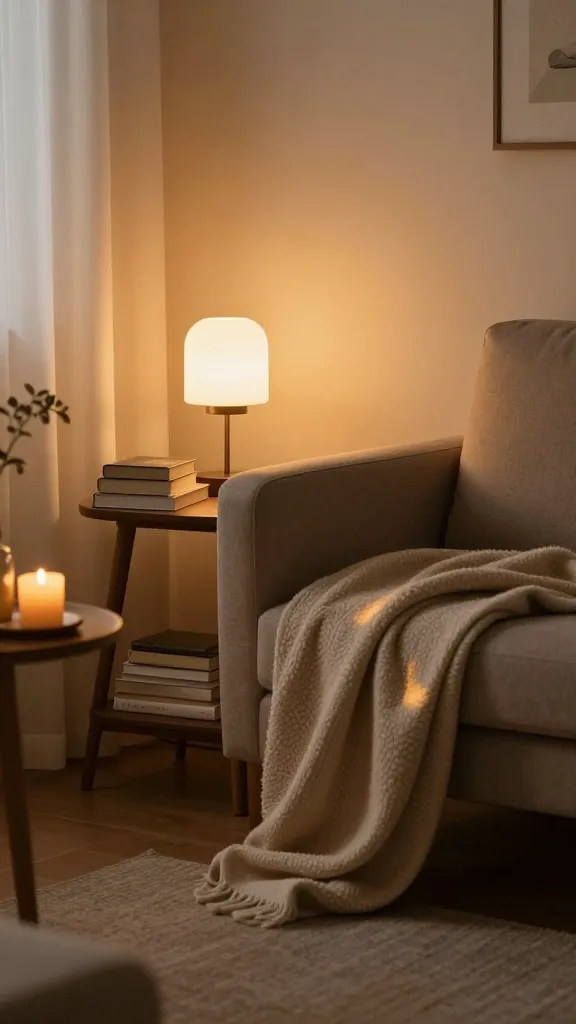
Bright, cold light wrecks the mood; warm, soft light invites a slow pace. Use a small lamp with a warm-toned bulb (2700K-3000K), a battery-operated candle, or fairy lights to create a gentle glow. Avoid harsh overhead lighting that creates stark shadows.
Research on biophilic lighting confirms that adjusting indoor lighting to a softer, warmer glow in the evenings creates a more relaxing atmosphere and supports healthy circadian rhythms. Our bodies respond to the shift from bright daylight to warm lamplight, signaling that it’s time to slow down.
I sat in my corner with the overhead light on for months, and it felt like an interrogation room. Then I switched to a small table lamp with a warm bulb, and the whole mood shifted. The corner stopped feeling like part of the living room and started feeling like its own place.
The key is having a single, controllable light source that you can dim to a comfortable level. A small lamp on the floor or a side table works. If you want even more ambiance, a battery-operated candle adds flicker without fire risk. The goal is warmth, not brightness.
Takeaway: Add one warm light source to your corner. Test it in the evening — if it feels harsh, swap the bulb for a lower wattage or warmer tone.
4. How Do Textiles Make a Corner Feel Like a Retreat?
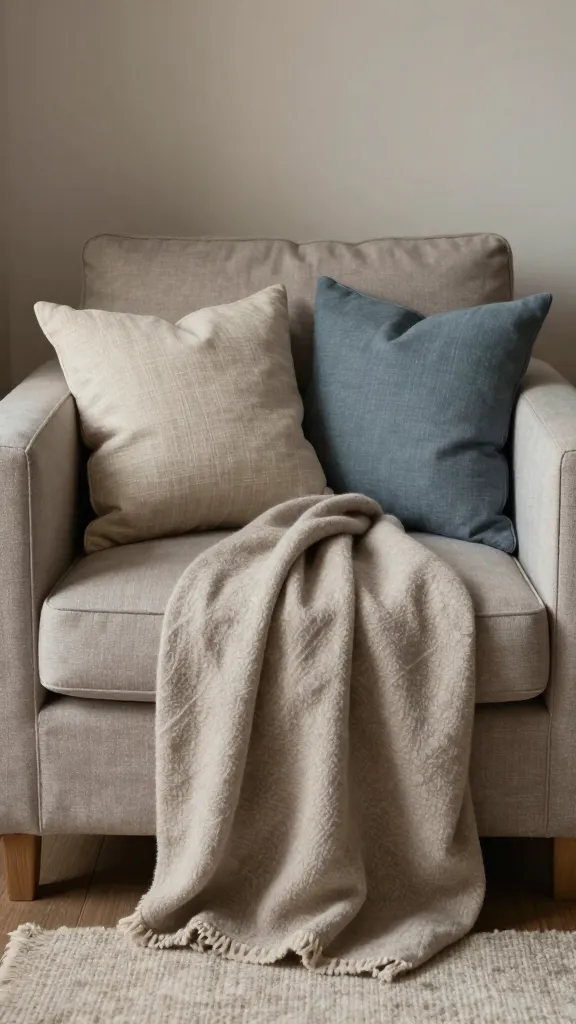
Texture matters as much as colour. A soft throw, two cushions, and a small rug underfoot drastically improve comfort and signal to your body that this is a place to rest. Pick natural fabrics — cotton, linen, wool — in muted colours to reduce visual noise.
I layered three textures in my corner: a chunky knit throw, linen cushions, and a small jute rug. Each one feels different, and together they create a sense of depth and warmth that a single fabric can’t. The throw is for draping over my shoulders when it’s cold. The cushions are for back support and colour. The rug defines the space underfoot.
You don’t need to buy everything new. A folded towel works as a cushion cover. A borrowed blanket from the guest room works as a throw. The principle is layering — two or three textures, within arm’s reach, that you actually enjoy touching.
Takeaway: Layer two textures you enjoy and keep them within arm’s reach of your seat.
5. What Belongs on a Ritual Table?
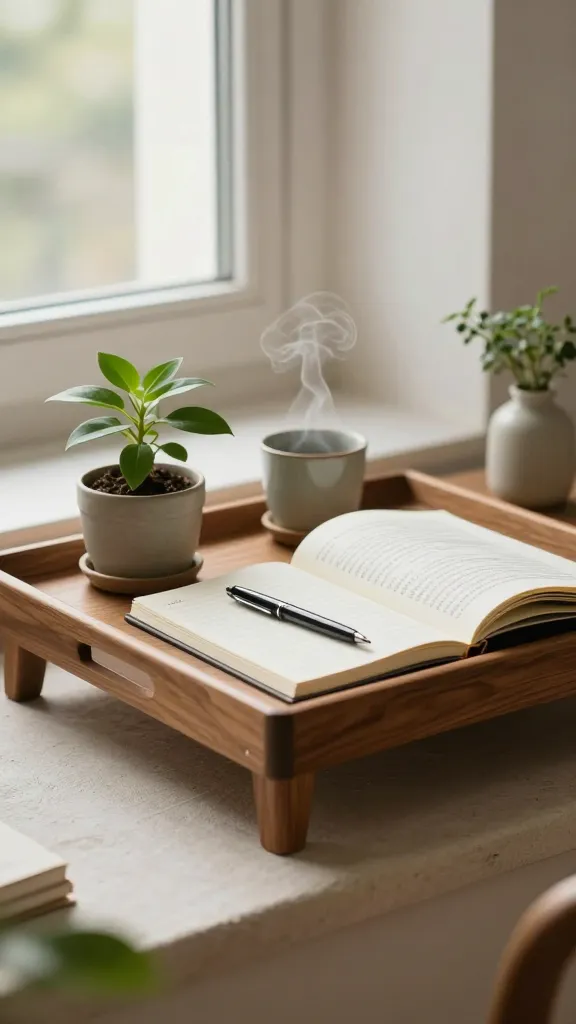
Even a tiny surface acts as a cue to slow down. Place a small tray, a book, a plant, or a cup that you associate with quiet moments. The ritual table is the anchor that makes rest predictable, not a rare event.
My ritual table is a small wooden stool I found at a flea market. On it sits: a ceramic mug I only use in that corner, a small potted pothos, and a book I’m reading slowly. That’s it. Three objects. Each one signals: this is where you rest.
The items don’t matter as much as their consistency. Use the same mug, the same book, the same plant. Over time, seeing that arrangement triggers a Pavlovian response: oh, it’s rest time. You don’t need to think about slowing down — the table does it for you.
Takeaway: Place one to three objects on a small surface near your seat. Let them signal rest.
6. How Does Scent Cue Your Brain to Slow Down?
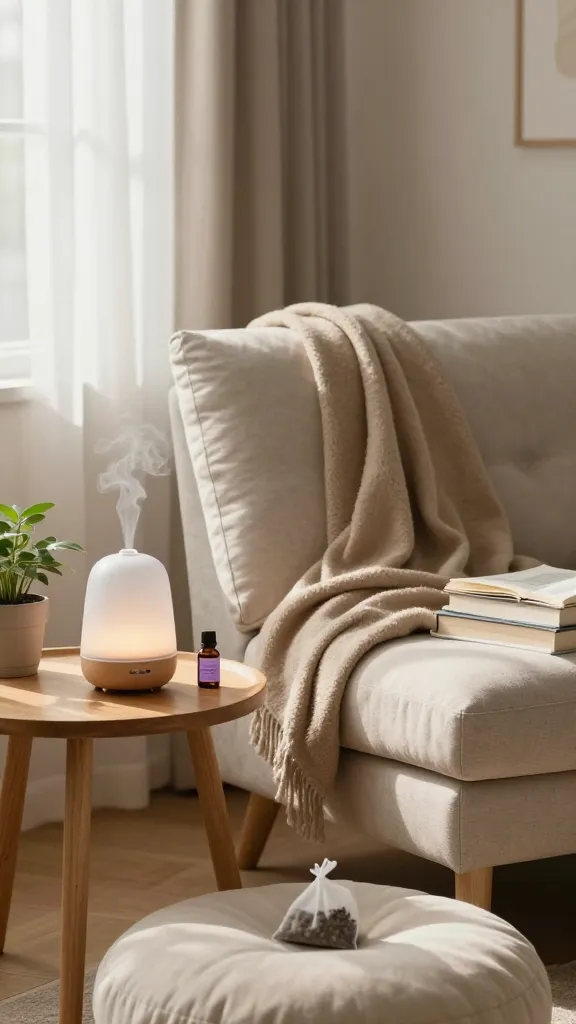
A light, pleasant scent enhances rest — think mild lavender, citrus, or cedar. Use a small diffuser with water, place a sachet nearby, or simmer citrus peels on the stove before you settle in. Avoid overpowering scents that irritate rather than calm.
Scent is the most direct pathway to memory and emotion. Neuroscience research on olfaction shows that smell bypasses the brain’s rational centres and connects directly to the limbic system — the seat of emotion and memory. That’s why a familiar scent can instantly transport you to a different time or place.
My mother would put out bowls of dried citrus that scented the house, and she’d bake warm-spice cookies with nutmeg and cloves. I still make a cocoa using star anise, cinnamon bark, cloves, nutmeg, and cardamom — the scent fills the kitchen and drifts through the house. I use a small diffuser with lavender oil in the corner, turned on five minutes before I sit down. By the time I settle into the chair, the scent has filled the corner, and my brain already knows: rest is starting.
Takeaway: Choose one subtle scent and use it consistently before rest time. Let it cue your brain.
7. Why Does Decluttering Matter in a Rest Corner?
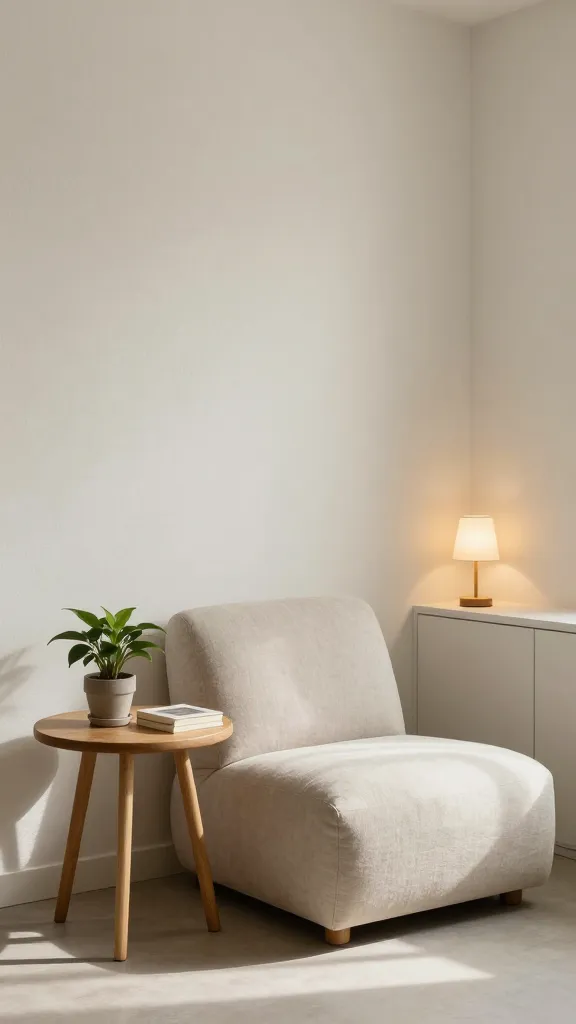
A calm corner needs clean lines and a purpose. Move away anything you don’t use in that space. A small plant, a book, and a lamp take priority; everything else lives elsewhere. Research on environmental stress confirms that visual clutter increases cortisol and makes it harder to relax — even when you’re not actively looking at it.
My corner used to hold a pile of magazines, a stack of mail, and a bag I kept meaning to put away. Every time I sat down, my eyes landed on the clutter, and my brain started making to-do lists. Once I cleared everything except the ritual table objects, the corner started working. Fewer items equals easier, more inviting rest.
The rule is simple: if it’s not directly related to rest, it doesn’t belong there. Work materials, laundry, random objects — all of it goes elsewhere. The corner is for one thing only: slowing down.
Takeaway: Clear the corner down to its essential pieces. If it doesn’t serve rest, move it.
Rest Corner Elements Compared
| Element | Purpose | Impact Level | Best Practices |
|---|---|---|---|
| Location (window/wall view) | Security + natural light | High — reduces stress | Away from foot traffic, near soft light |
| Seating (chair/cushion) | Physical comfort | High — determines duration | Comfortable for 15+ minutes |
| Warm lighting (2700K) | Mood shift + circadian support | High — signals rest | Single controllable source, no overheads |
| Layered textiles | Tactile warmth + depth | Medium — enhances comfort | 2-3 textures, natural fabrics, muted tones |
| Ritual table (mug, book, plant) | Consistency cue | Medium — triggers habit | 1-3 objects, same items each time |
| Calming scent (lavender, citrus) | Emotional anchor | Medium — cues relaxation | Subtle, consistent, 5 min before sitting |
Frequently Asked Questions
What if my apartment has no spare corner?
Look for underused spaces near a window or a wall with soft lighting. A corner of the living room or a narrow alcove can be repurposed with a small screen or bookshelf to carve out a distinct zone. You don’t need a separate room — just a defined nook that feels slightly apart.
How can I keep the area aesthetically cohesive?
Choose a simple colour palette and repeat one or two textures. Use a single wood-toned tray, one plant, and one fabric pattern for cushions. Consistency creates a calm, intentional look without requiring matching sets.
How do I maintain the rest corner with pets or kids?
Place light, easy-to-clean textiles within reach and use a small baby gate or low shelf to separate the area when needed. Keep fragile items out of reach and use a battery-operated candle for safety. The corner can be shared — just set clear boundaries about what belongs there.
Can I make this with items I already own?
Yes. Use a dining chair as seating, a folded towel or blanket as a cushion, and a mug or small vase as a ritual piece. Mix and match textures you already own. The most important element is intention, not spending.
How long should I spend in the rest corner?
Begin with five to ten minutes and gradually extend as it becomes a habit. Consistency matters more than duration. Even five minutes of intentional rest, done daily, compounds into something meaningful over weeks.
Conclusion
A rest corner doesn’t require a renovation or a big budget. It requires a corner, a comfortable seat, warm light, layered textures, a small ritual table, a calming scent, and the discipline to keep it clear. Start this weekend: choose your nook, place one chair, add one lamp, drape one throw. Sit in it tomorrow morning with your tea. Notice what changes.
Your daily cue for calm is closer than you think. It’s just six square feet away. If you want to build on this foundation, my guides on Sunday rituals for a grounded home, morning rituals for a slow start, and intentional home design show how to weave calm into every part of your day.
Leave a Reply