12 Outdoor Living Space Ideas That Match Your Indoor Earthy Aesthetic
· thehazelcottage@mail.com
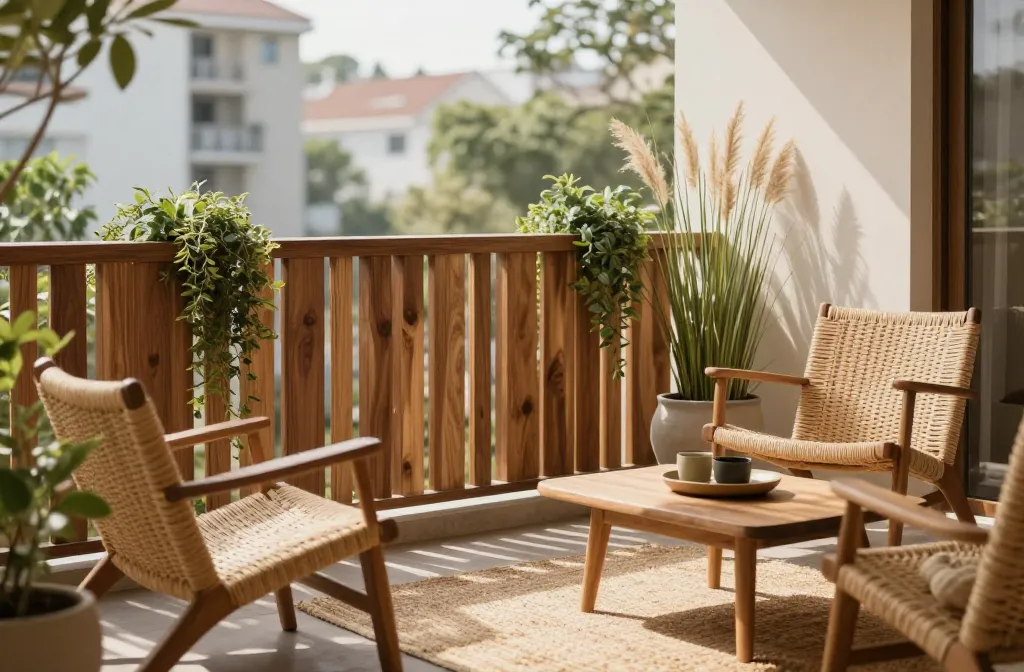
When I refreshed my small balcony last year, I swapped plastic chairs for woven textures and added a few rugged planters. The change transformed the space from a neglected corner to a calming, nature-forward retreat. You’ll learn practical, beginner-friendly ideas that translate your indoor earthy vibe to outdoors, with simple, ready-to-find gear and clear steps.
1. Natural-wood Screening for Privacy and Texture
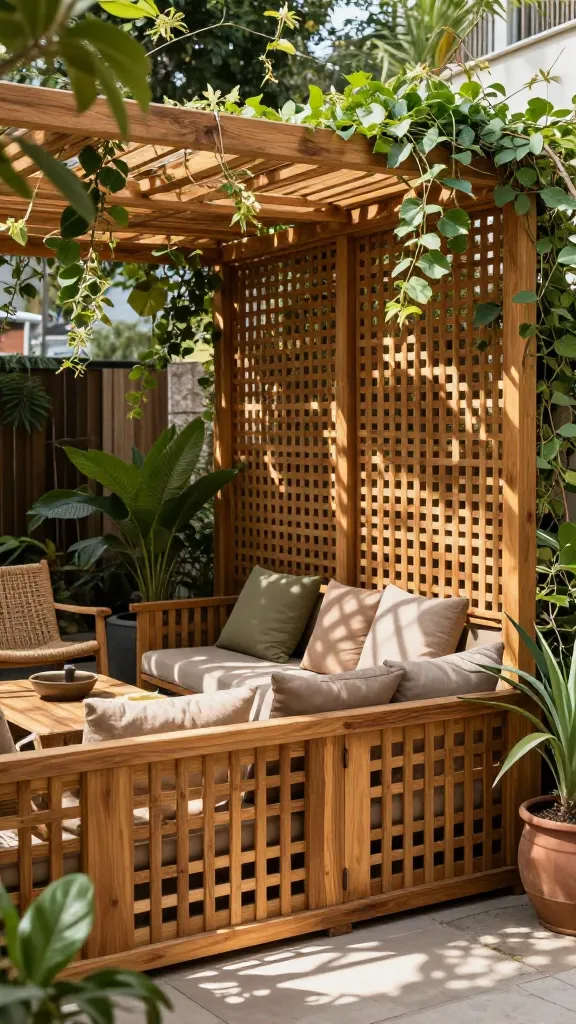
The wrong screening can feel cheap and visual noise, while a careful setup adds warmth and privacy. Wood tones paired with live greenery create a seamless extension of your living room aesthetic.
Signs You Need Screening
- Neighbors’ activity is visible from your seating area
- The space feels exposed, echoing with wind and street noise
- Your furniture looks out of place next to bare walls
How to Fix It
- Install a simple lattice panel or prefabricated fence screen along the perimeter
- Choose stain colors that match your indoor wood furniture (walnut, oak, or natural pine)
- Add trailing plants or tall grasses in pots to soften edges
What to Use Instead
- A basic garden centre screening panel, 4–6 feet wide
- Planters in the same material family as your indoors (cascading ceramic or lined timber)
- Trellises for climbing plants like jasmine or ivy
Takeaway: Implement a 4–6 foot privacy screen with matching wood tone and climbers to instantly blur indoor-outdoor boundaries.
2. Neutral-Colored Stone or Gravel Path for Cohesion
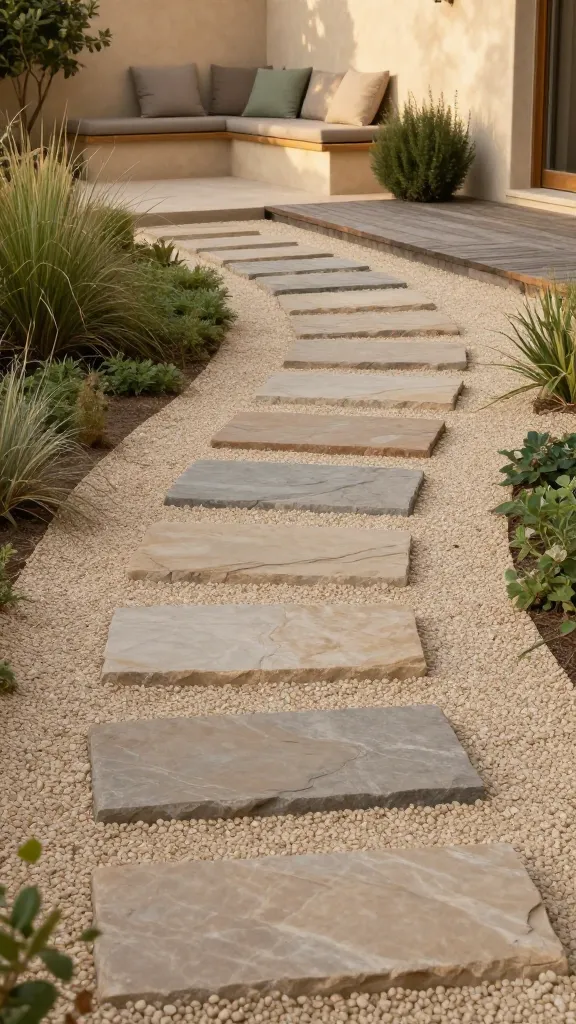
A scattered patio can feel disjointed from interior hues. A simple path using neutral gravel or stepping stones creates a visual bridge to your earthy interior, guiding the eye and footfall.
Signs You Need a Path
- Flooring patterns clash between indoors and out
- Grass or soil ruts form in high-traffic zones
- Seating looks crowded or off-center
How to Fix It
- Lay a single-file path of stepping stones in a straight or gentle arc
- Spread a 2–3 inch layer of coarse, natural gravel to fill gaps
- Edge with low-profile edging to keep stones in place
What to Use Instead
- Two or three sizes of flat stepping stones from the garden centre
- A bagged, natural-look gravel (pebble mix)
- Low-growing groundcover around the edges for a seamless look
Takeaway: Create a defined, earthy path that visually anchors your outdoor space to your indoor palette within one weekend.
3. Clay Pots with Rustic Textures for Cohesive Planting
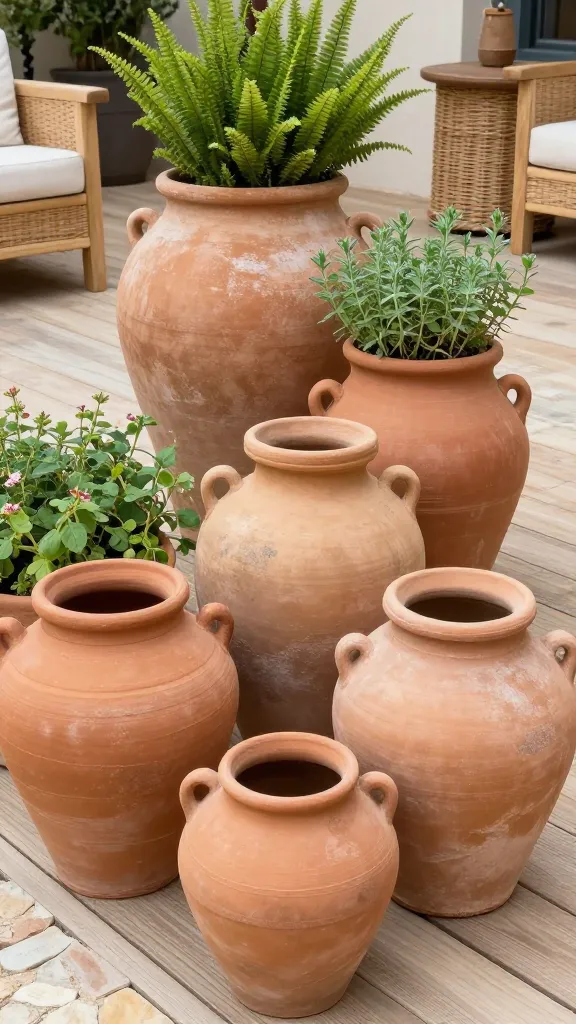
Plastic pots can feel cheap next to wood, metal, and stone. Clay or terracotta pots with a rustic finish echo indoor ceramic textures and age nicely outdoors.
Signs You Need Pots Like These
- Your plants look isolated or mismatched with furniture
- Plastic pots look modern but out of place against natural elements
- Water spots or mineral build-up on lighter pots stand out
How to Fix It
- Swap a few plastic pots for clay or terracotta in varying sizes
- Choose pots with simple, matte finishes and a few weathered accents
- Group plants in odd numbers (3 or 5) for visual balance
What to Use Instead
- Terracotta or unglazed ceramic pots from the garden centre
- Low-profile saucers to catch excess water and prevent staining
- Mulch briefly around pot bases to hide soil and keep moisture steady
Takeaway: Integrate 3–5 clay pots in varied sizes to anchor green hues and echo indoor ceramic textures.
4. Indoor-Outdoor Seating with Natural Fabrics
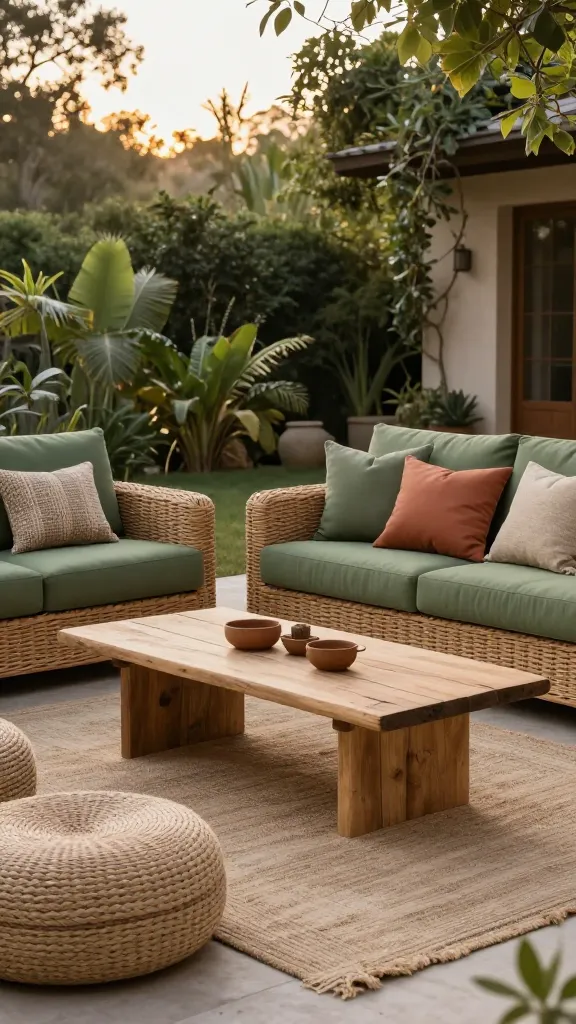
Outdoor furniture often leans plastic or metal, which clashes with earth tones. Sun-washed wicker, olive cushions, and jute accents mirror indoor softness while staying durable outside.
Signs You Need This
- Seating feels sterile or uncomfortable after a single season
- Indoor textiles stay pristine while outdoor fabrics wear fast
- Color palette indoors and out diverge too sharply
How to Fix It
- Choose weather-friendly cushions in earthy tones (sage, sand, terracotta)
- Use outdoor-rated fabrics or protective covers during rain
- Incorporate a single woven throw or rug to unify the area
What to Use Instead
- Wicker chairs with fade-resistant cushions
- Outdoor-safe aisle runners or small jute rugs
- Neutral-toned throw blankets for chilly evenings
Takeaway: Blend indoor softness with outdoor durability by selecting earthy fabrics and natural-weave furniture pieces.
5. Herb Bed with Indoor-Style Planting Planters
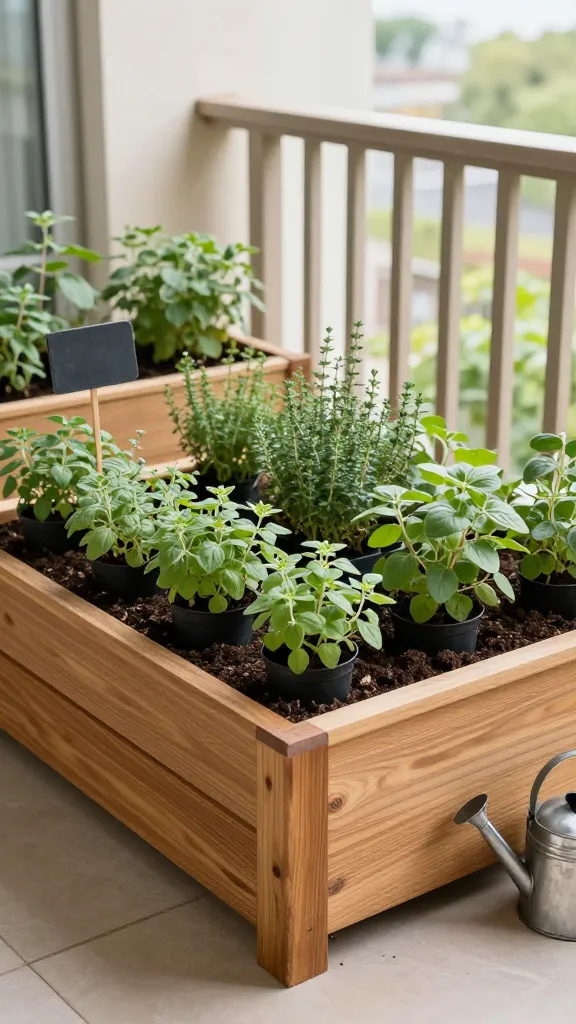
Growing herbs in a dedicated bed is practical for cooking and posture harmony between spaces. A neat, raised herb bed with compact planters mirrors an indoor kitchen garden aesthetic.
Signs You Need It
- Your balcony or patio lacks edible greens
- Weathered pots look chaotic and unorganized
- Requests for fresh herbs are frequent during cooking
How to Fix It
- Build a small raised bed using weatherproof timber or treated boards
- Fill with good-quality potting mix from the garden centre
- Plant oregano, thyme, and chives in terracotta pots arranged nearby
What to Use Instead
- A single raised bed about 1 m long and 25 cm high
- Compact herb varieties suited for container growth
- A small layer of mulch to retain moisture
Takeaway: Create a practical, edible focal point that echoes indoor kitchen herbs while staying easy to maintain outdoors.
6. Greenery Backdrop with Layered Foliage
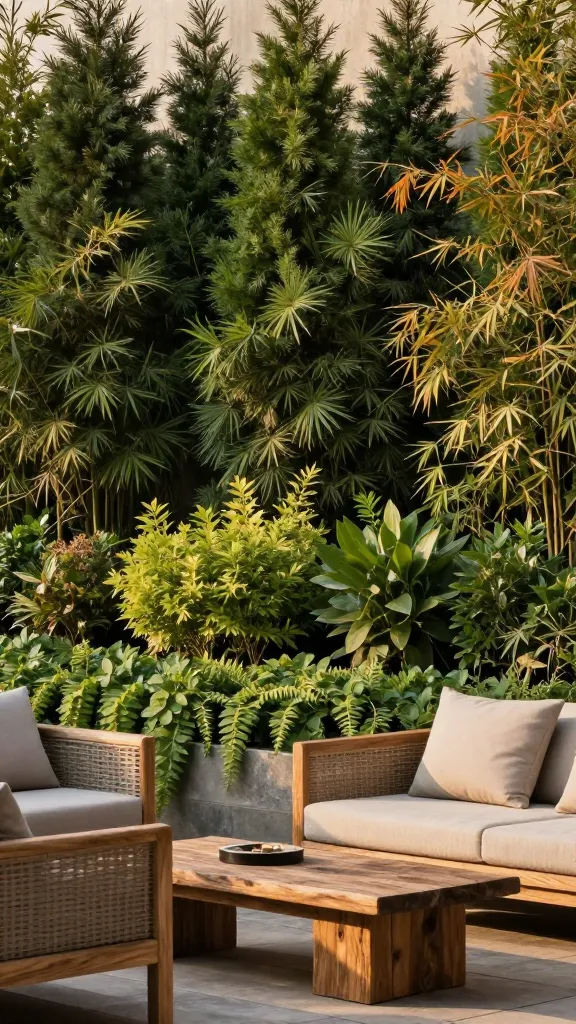
A flat wall can feel flat outdoors as well. Layered greenery—tall, mid, and ground cover—adds depth, texture, and the earthy look you want indoors.
Signs You Need Layered Foliage
- Exterior walls feel bare and clinical
- Flat, one-note planting reduces interest
- Shade and sun patterns create uneven plant growth
How to Fix It
- Place a tall evergreen or bamboo screen at the back
- Add mid-height shrubs and trailing groundcovers in front
- Rotate species seasonally to maintain color shifts
What to Use Instead
- Container-plant trio: tall, mid, groundcover
- Braided or natural-look trellises for climbers
- A lightweight, weatherproof planter stand for height variation
Takeaway: Build a layered green backdrop to replicate indoor plant depth outdoors in a single weekend.
7. Slow-Release Lighting for Evening Ambience
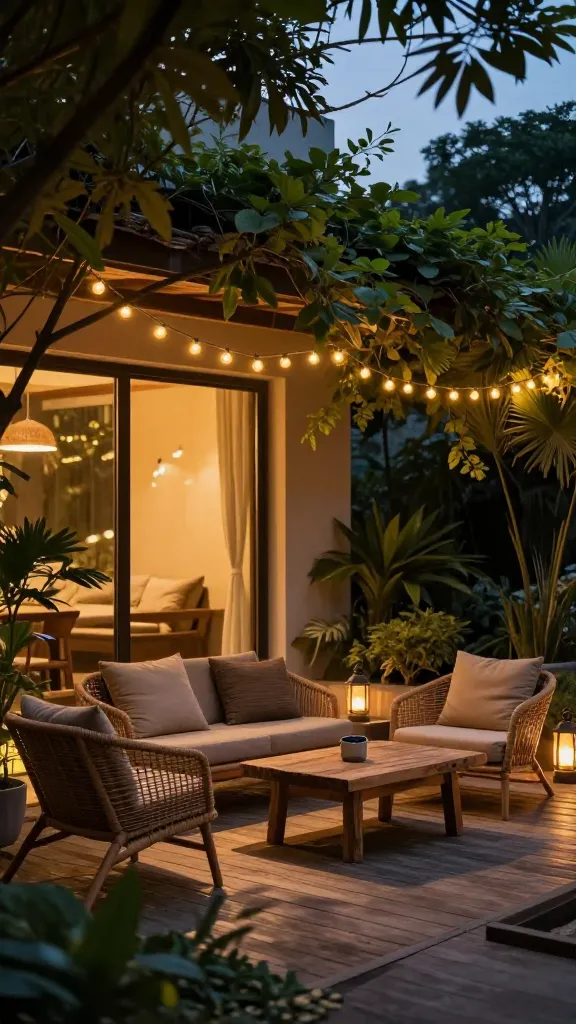
Ambience changes everything after sunset. A warm, low-profile lighting scheme enhances the earthy vibe and makes the space usable at night without harsh glare.
Signs You Need Lighting
- Evening time reveals a dark, unsafe space
- Furniture looks flat after dark
- You want extended use of the outdoor area
How to Fix It
- Use low-watt amber LEDs in string lights or lanterns
- Position lights beneath plant canopies to create shadows
- Install a simple solar or plug-in setup with a dimmer
What to Use Instead
- A string of warm LED bulbs along a railing
- Outdoor-rated lanterns with amber glass
- Solar stake lights to highlight pathway edges
Takeaway: Add warm, indirect lighting to extend usability and deepen the earthy mood after dark.
8. Textured Ground Cover to Reduce Maintenance
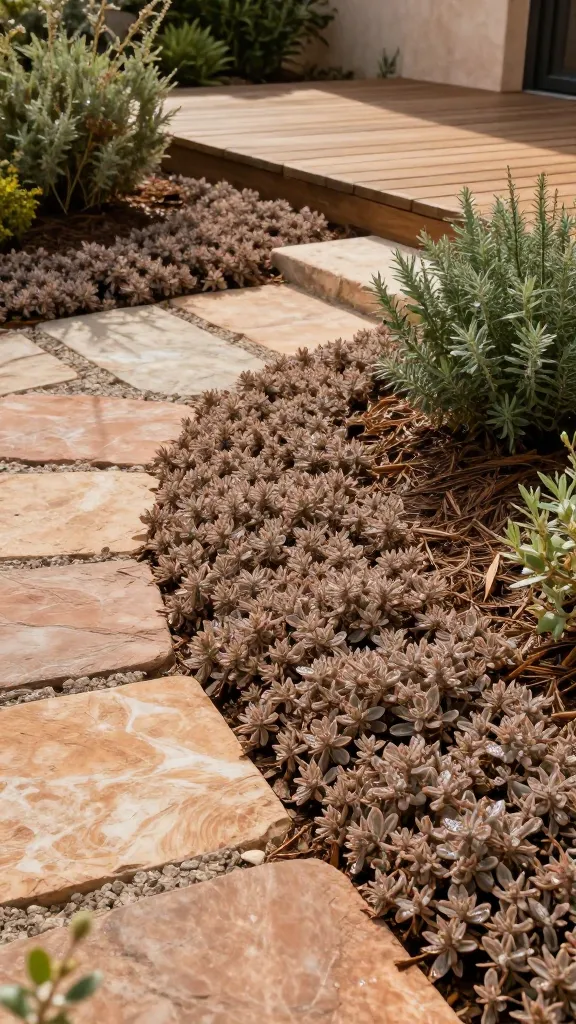
Finding the right ground cover reduces weed pressure and soil erosion while keeping a soft, earthy underfoot feel that echoes indoor rugs.
Signs You Need Ground Cover
- Weeds pop up between pavers or stones
- Soil dries quickly in exposed areas
- Footing on balconies or decks feels loud and hard
How to Fix It
- Choose a drought-tolerant ground cover like creeping thyme or a low-growing sedum
- Spread seed or plant mats along borders
- Keep mulch or mulch-like material to retain moisture
What to Use Instead
- Mulch chips or a pea-gravel mix around pots
- Low-growing, perky groundcovers from the garden centre
- Edging to reduce soil splash onto seating
Takeaway: Install a practical ground cover that echoes indoor rugs and cuts maintenance needs.
9. Water Feature with Minimal Upkeep
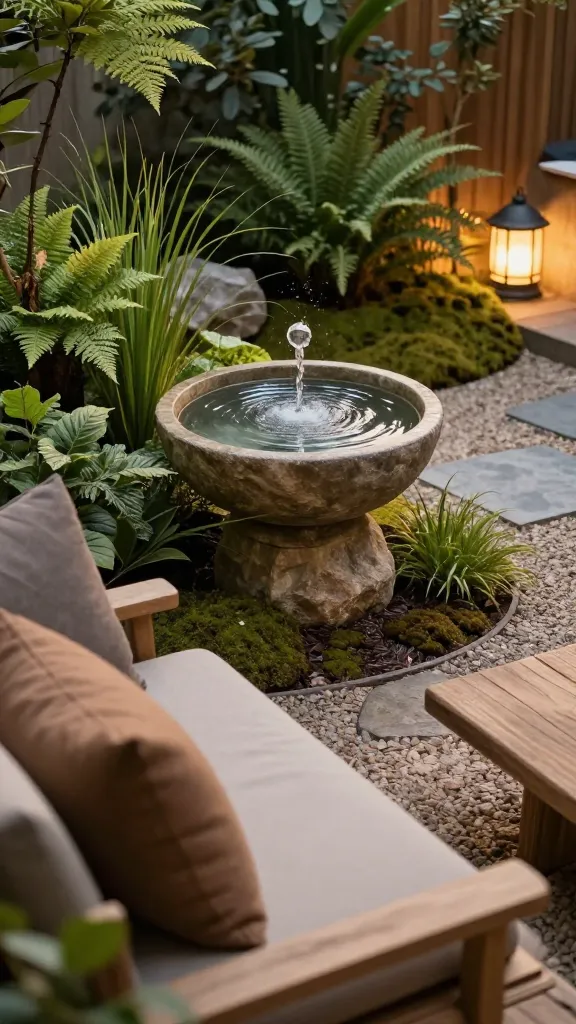
A small, quiet water feature brings natural calm and the earthy aesthetic without demanding hours of upkeep. A simple fountain or recirculating bowl fits most spaces.
Signs You Need It
- Sound of water is missing from your outdoor retreat
- Your space lacks a focal point or movement
- Maintenance feels overwhelming for outdoor features
How to Fix It
- Choose a compact fountain with a built-in pump
- Place near seating so you hear water without it dominating
- Check the water weekly and wipe mineral build-up with a soft cloth
What to Use Instead
- A simple solar-powered fountain for zero electricity
- A small water bowl with a submersible pump
- Decorative stones around the base to hide tubing
Takeaway: Introduce a low-maintenance water feature to enhance texture, sound, and the earthy vibe.
10. Compressed Storage and Hidden Organization
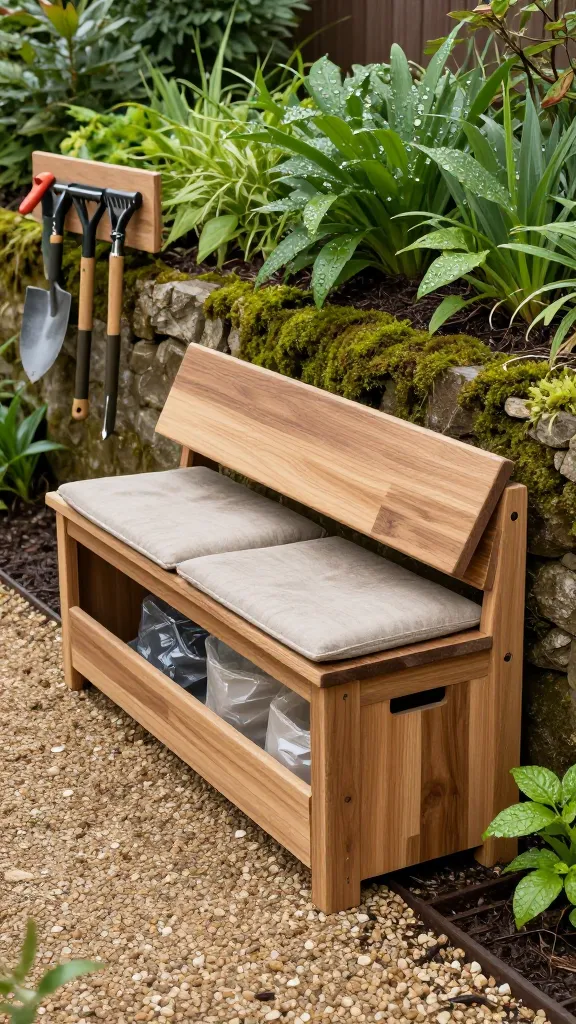
Outdoor spaces often accumulate clutter. Hidden storage keeps cushions and tools dry while preserving the earthy look you want to maintain.
Signs You Need It
- Stored items are visible from seating areas
- Cushions stay damp after rain
- It’s hard to reach tools without stepping over plants
How to Fix It
- Use a weatherproof storage bench with a hinged lid
- Store cushions in plastic bags inside the bench to protect from moisture
- Keep often-used tools in a mounted wall rack
What to Use Instead
- A compact deck box with a dry interior
- Waterproof bins tucked under seating
- Cable ties and hooks for quick-access tools
Takeaway: Hide bulk and moisture-prone items in sturdy, weatherproof storage to keep the space clean and cohesive.
11. Weather-Resistant Textiles in Earthy Hues
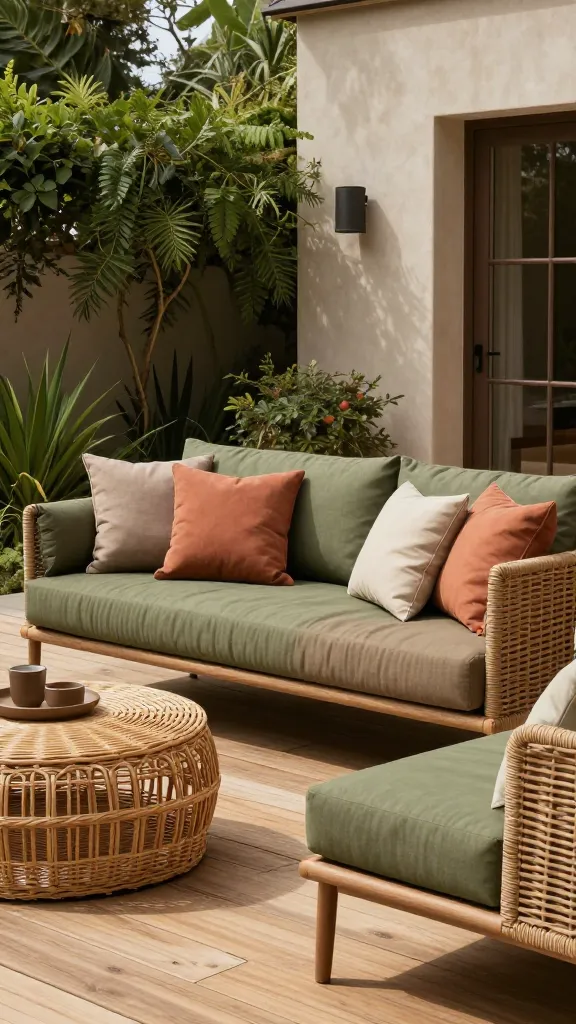
Textiles carry the indoor feel outdoors if you choose properly. Earthy tones in weather-resistant fabrics provide comfort and continuity with your interior palette.
Signs You Need Textiles
- Outdoor fabrics look worn after a season
- Color coordination between indoor and outdoor spaces feels off
- Seating is uncomfortable for long periods
How to Fix It
- Opt for cushions in olive, taupe, clay, and muted greens
- Pick fabrics with UV resistance and water repellence
- Rotate a few accent pillows seasonally for fresh appeal
What to Use Instead
- Durable outdoor cushions with simple, classic seams
- Removable covers for easy washing
- Rugs in natural fibers like sisal or jute
Takeaway: Bring indoor warmth to the outdoors with durable textiles that carry the same earthy mood.
12. Plants That Mirror Indoor Favorites
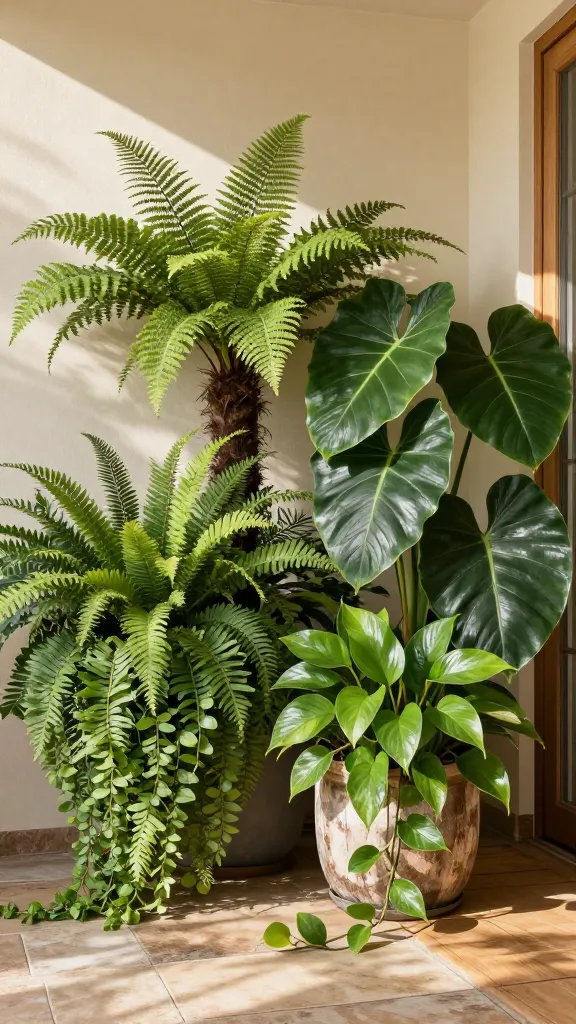
Plants are the core of the earthy aesthetic. Choose species that thrive outdoors in your climate but resemble the foliage you keep indoors for a cohesive look.
Signs You Need This
- Indoor plant varieties look out of place on the patio
- You want more greenery without frequent replanting
- Color and texture harmony with your furniture is missing
How to Fix It
- Match a few outdoor-friendly varieties to your indoor favorites (e.g., ferns, pothos, philodendron) in sheltered spots
- Place some in light-shaded, bright indirect areas near walls
- Group plants in odd-numbered clusters for visual richness
What to Use Instead
- Hardier outdoor versions of indoor favorites, like baby tears or creeping fig
- Self-watering pots for consistent moisture in sunlit spots
- A simple trellis for trailing plants that mimic indoor greenery
Takeaway: Choose outdoor-hardy versions of your indoor plants to maintain a unified earthy vibe year-round.
Frequently Asked Questions
What are quick, affordable updates to start with?
Start with a privacy screen, a couple of clay pots, and a neutral outdoor rug. These three items create instant cohesion with your interior aesthetic and set the tone for the rest of the space.
How do I maintain the earthy vibe without overdoing it?
Limit hard textures to three main materials (wood, stone, clay) and repeat their tones across furniture, planters, and textiles. Consistency is the key to a calm, cohesive look.
What lighting works best for earthy outdoor spaces?
Opt for warm, amber-toned LEDs and avoid harsh white lights. Place them low and close to seating to cast soft, natural shadows that mimic indoor ambience.
Can I grow edibles and still keep the earthy aesthetic?
Yes. Use raised beds or planter clusters with herbs and compact vegetables in matching pots. The greenery and scent will align with the rest of your design while offering practical rewards.
What if I have only a small balcony?
Focus on vertical space and layered planting. A narrow privacy screen, one tall plant, and a small herb bed in a shallow planter can transform the area while maintaining the earthy look.
Conclusion
With a few deliberate choices—earth-toned pots, layered greenery, textured textiles, and simple lighting—you can recreate your indoor earthy aesthetic outdoors without complexity. Start with one or two changes this weekend, and let the space evolve with the seasons as your confidence grows.
Leave a Reply