12 Summer Living Ideas for a Cool, Natural, Easy Home
· thehazelcottage@mail.com
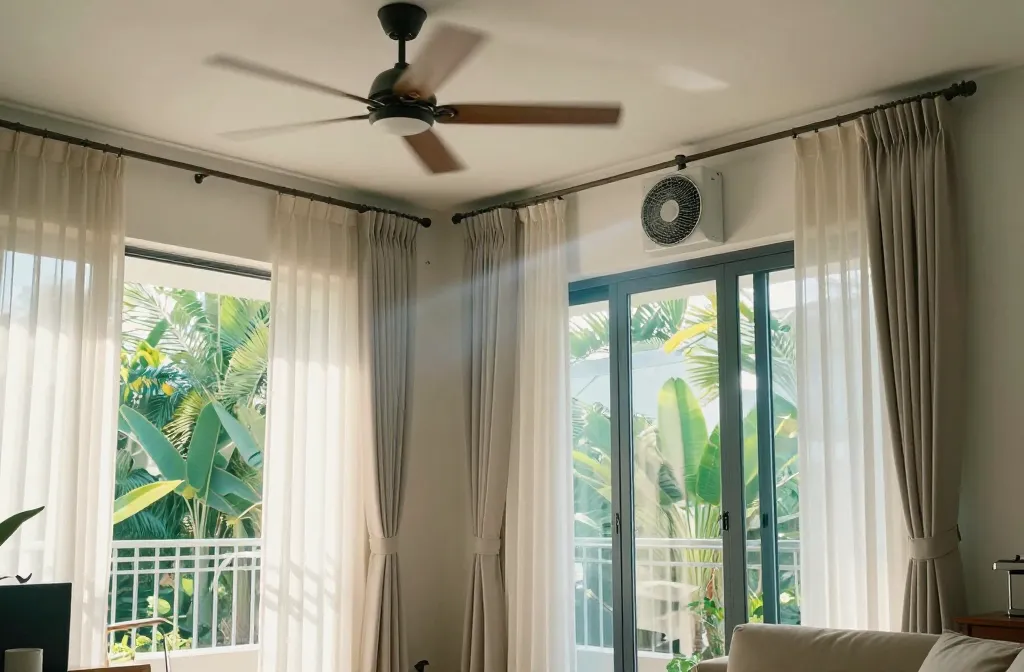
Swapping air conditioning for sun-smart habits changed my apartment, breezy and bright all season without the noise or the cost. The secret isn’t expensive equipment; it’s working with the season instead of against it. Most of these twelve ideas require nothing more than adjusting what you already own or opening a window at the right time.
1. How Does Passive Cooling Beat Air Conditioning?
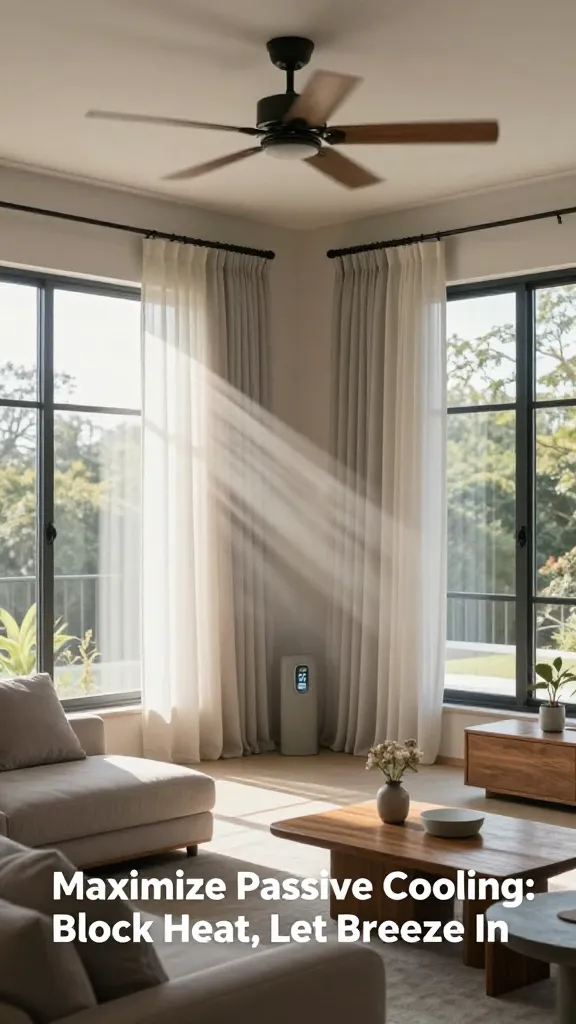
Passive cooling lowers indoor temperatures without lifting your electric bill, install light-coloured curtains on sunny windows and use cross-ventilation by opening opposite windows or doors during cooler hours. The right shading and airflow strategy cuts heat more effectively than a fan alone.
Research on night-time ventilation and thermal mass shows shading and well-timed ventilation measurably lower peak indoor temperatures without mechanical cooling. The key is timing, block heat during the day, release it at night. Create a cool corridor by aligning a fan with an open window to pull a steady breeze through your space.
My energy bills reflected my reliance on AC. I cranked it the moment the temperature rose. Then I learned passive cooling. I draw light curtains during the day to block heat, then open windows on opposite sides of the apartment in the evening to create a cross-breeze. By morning, the apartment is fresh, and I haven’t spent a cent on electricity.
Takeaway: Light curtains during the day. Cross-ventilation at night. Let passive cooling do the work.
2. Why Does Strategic Shading Matter More Than You Think?
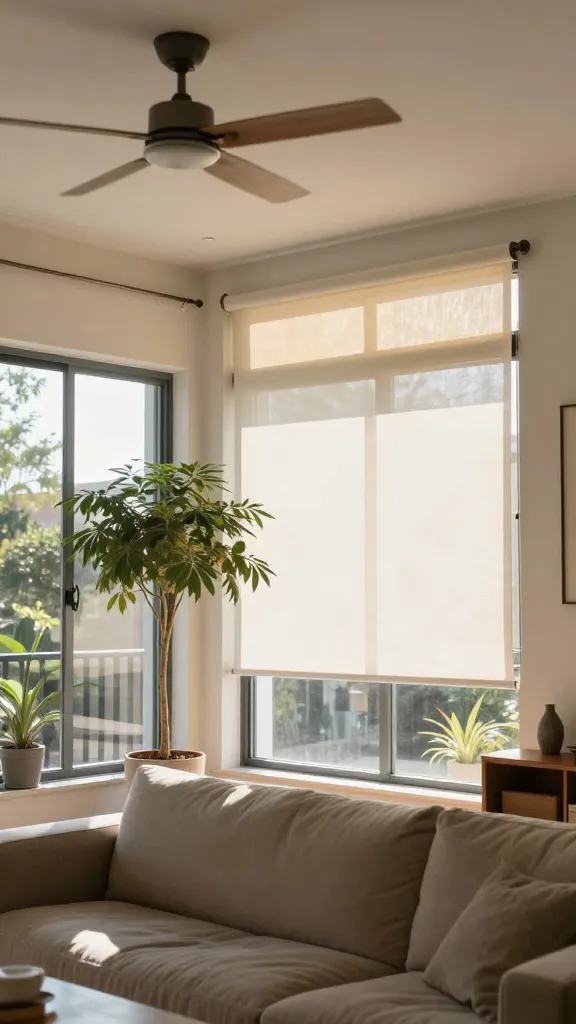
Direct sun heats interiors quickly, and proper shading dramatically reduces heat gain, use light-reflective blinds, external awnings, or tall potted plants to cast shade on the hottest windows. Target the windows that get the most afternoon sun; they’re usually the biggest culprits.
Reflective window films can cut radiant heat without blocking the view. External awnings work even better, but if you’re renting, tall plants and light-coloured curtains are your best friends. Target the hottest windows first, you’ll feel the difference within hours.
The afternoon sun turned my apartment into an oven by three o’clock. Then I added tall potted plants on the balcony to cast shade, and installed light-reflective blinds. The rooms stayed cooler, and I didn’t need to run the AC until much later in the day, if at all.
Takeaway: Tall plants, reflective blinds, light curtains. Target the hottest windows.
3. How Do Light-Coloured Furnishings Keep a Room Cool?
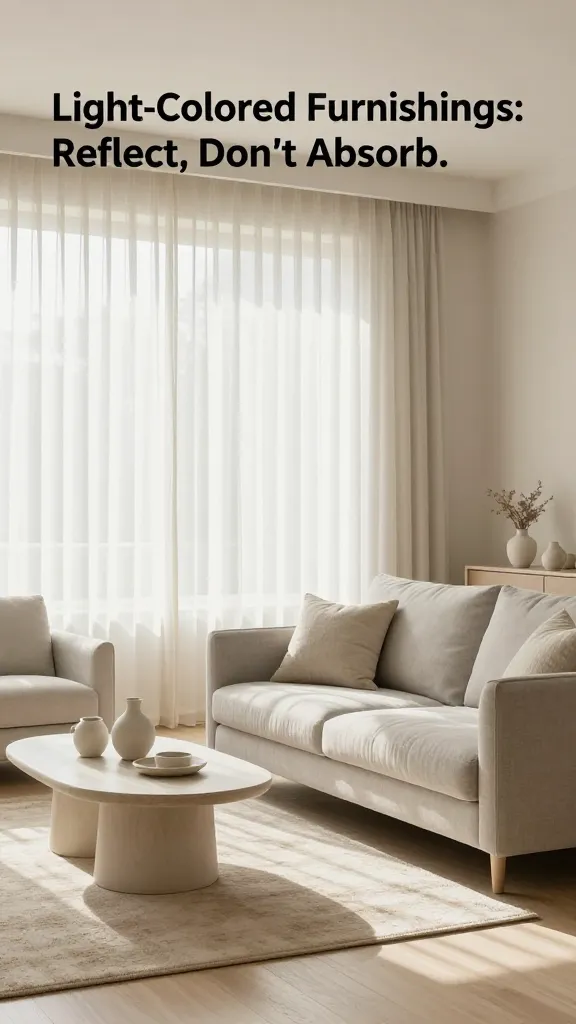
Dark surfaces absorb heat and transfer it indoors, choose light fabrics for sofas and curtains, and select ceramic or light-painted furniture. Painting or decorating with pale tones keeps rooms feeling cooler naturally; a light-coloured room feels five degrees cooler than a dark one.
Research on thermal absorption shows light surfaces reflect most of the solar radiation that reaches them, while dark surfaces absorb most of it. The difference is measurable, not just aesthetic. Start with one dark piece, a cushion, a throw, a rug, and swap it for a light alternative.
My dark furniture and heavy curtains absorbed heat like a sponge. Then I swapped to light linen sofas, pale curtains, and natural wood furniture. The light bounces off the surfaces instead of being absorbed. The rooms feel cooler, brighter, more airy.
Takeaway: One light swap per room. Linen, cotton, pale wood. Let light reflect, not absorb.
4. What Role Do Reflective Surfaces Play in Summer Comfort?
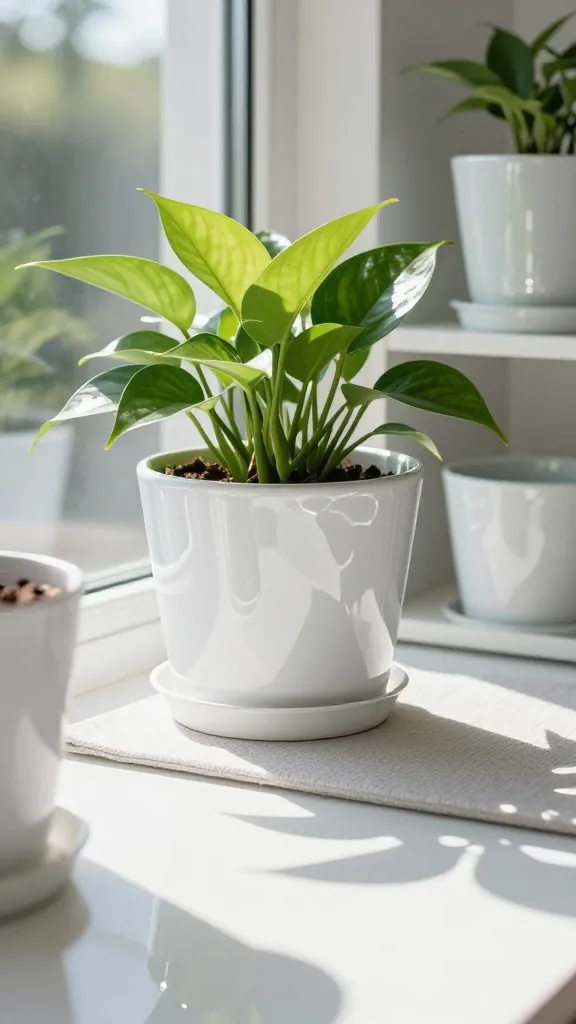
Bright pots and surfaces reflect heat rather than soak it in, choose white ceramic or pale plastic pots for sun-loving plants and use light-coloured mats or trays. This keeps plant areas and living spaces cooler while still looking fresh.
This works for more than just pots. Light-coloured mats, trays, and even furniture finishes reflect heat. The principle is simple: dark absorbs, light reflects. Choose accordingly, and your spaces stay cooler naturally.
The dark terracotta pots on the sunny windowsill got so hot they almost burned my plants. Then I switched to white ceramic pots. The pots stayed cool, the plants stayed healthy, and the windowsill didn’t radiate heat into the room. The light surfaces reflect instead of absorb.
Takeaway: White pots, light mats, pale surfaces. Reflect heat, don’t absorb it.
5. How Do Ceiling Fans Work With Natural Ventilation?
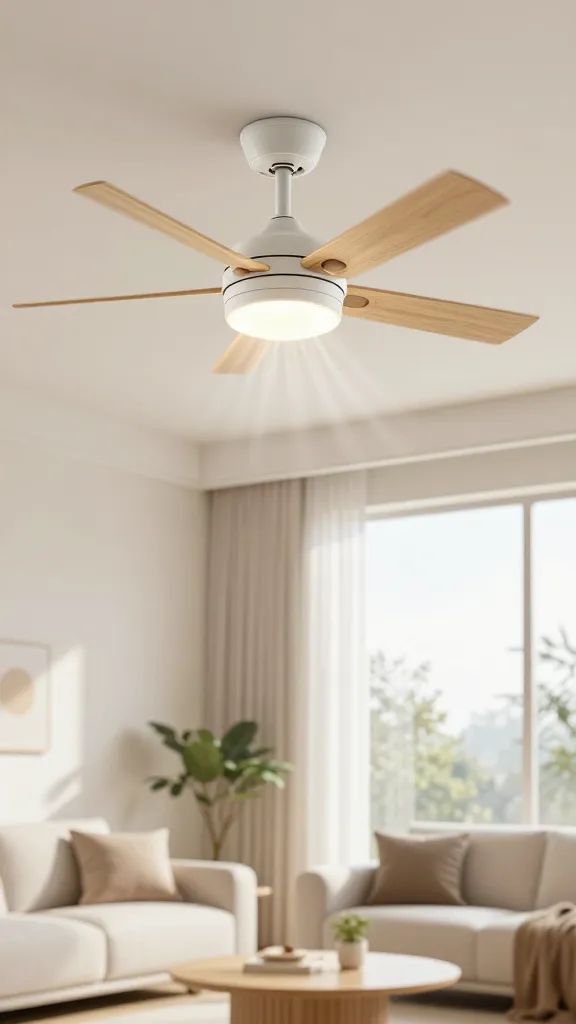
Ceiling fans don’t cool air, they move it, creating a wind-chill effect that feels cooler without dropping the thermostat. Set ceiling fans to run counterclockwise in summer for a breeze downward, and run fans only when rooms are occupied and windows are open to maximise cooling efficiency.
Energy Star notes that a ceiling fan draws a small fraction of the power a central air conditioner does, and when paired with natural ventilation, they provide equivalent comfort at a fraction of the cost. The key is understanding that fans cool people, not rooms, turn them off when you leave.
I left ceiling fans running all day, thinking they cooled the room. Then I learned they don’t cool air, they move it. The wind-chill effect makes you feel cooler, but the room temperature doesn’t change. So I started running fans only when I’m in the room, and only with windows open. The result is the same comfort with less energy.
Takeaway: Counterclockwise in summer. Run only when occupied. Pair with open windows.
6. Can Plants Actually Cool Your Space?
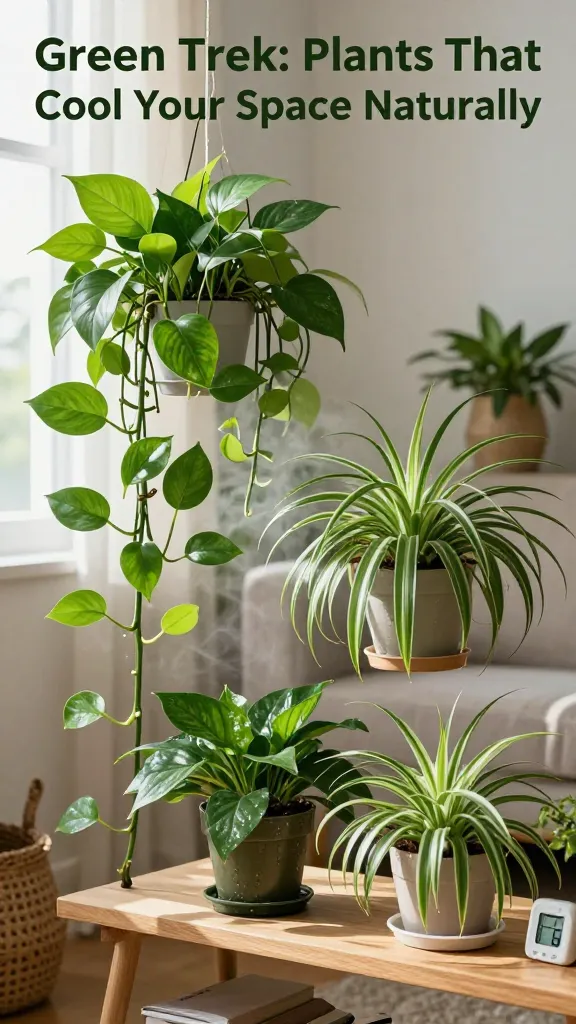
Houseplants help moderate humidity and temperature through transpiration and shade, choose medium-water, high-air-flow plants like pothos or spider plants near bright indirect light, and group plants to create microclimates. A leafy screen near a seating area cools adjacent spaces naturally.
WHO research on green spaces confirms that even brief contact with plants reduces stress and restores attention. The cooling effect is a bonus. Plants release moisture through transpiration, and the leaves cast shade. Grouped together, they create a microclimate, a small pocket of cooler, more humid air.
I thought plants were just decorative. Then I noticed the corner with my pothos and spider plants felt cooler than the rest of the apartment. It’s not dramatic, but it’s noticeable. Move a few pots to create a leafy screen near where you sit, and you’ll feel the difference.
Takeaway: Group plants. Create a leafy screen. Let transpiration and shade do the work.
7. How Do You Balance Humidity Without Creating Mold?
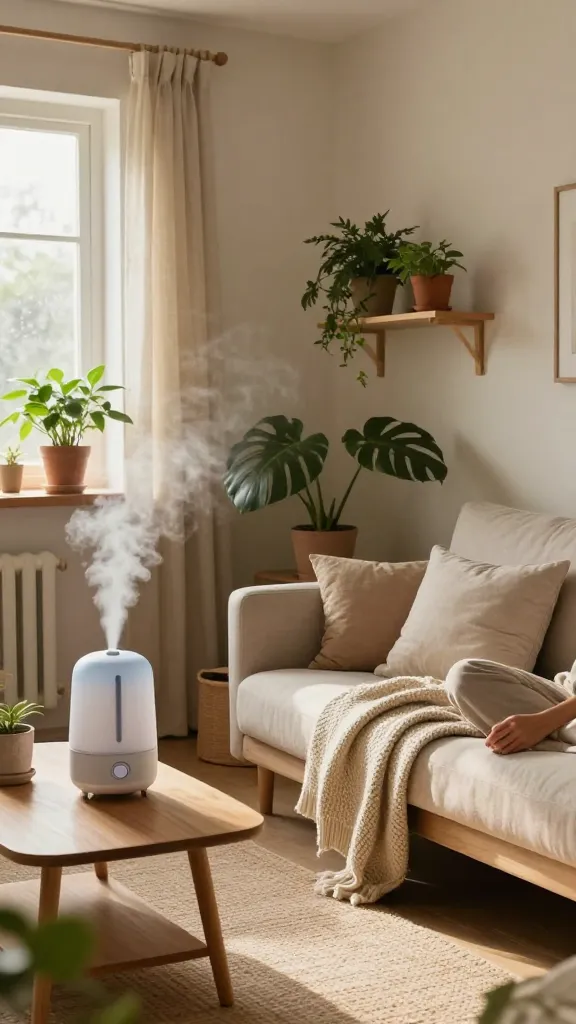
Gentle humidity reduces air dryness and improves comfort, but too much invites mold, use a simple spray bottle for brief misting of foliage, or a small humidifier placed away from electrical outlets. Aim for comfortable humidity around forty to sixty percent and ventilate to prevent mold growth.
EPA research on indoor air quality shows that humidity above 60% significantly increases mold growth and dust mite populations, while humidity below 30% causes respiratory irritation and dry skin. The sweet spot is 40-60%. Watch for signs of dryness, scratchy skin, irritated eyes, static electricity, or excess dampness, musty smell, condensation on windows.
The air got bone-dry in summer, and my skin and eyes suffered. Then I added a small humidifier, and the comfort improved immediately. But I learned the hard way, too much humidity invites mold. Now I keep a meter nearby, and I aim for forty to sixty percent. If it goes higher, I ventilate. If it goes lower, I mist.
Takeaway: Forty to sixty percent humidity. Misting for plants. Ventilation to prevent mold.
8. How Do You Manage Kitchen and Bath Heat?
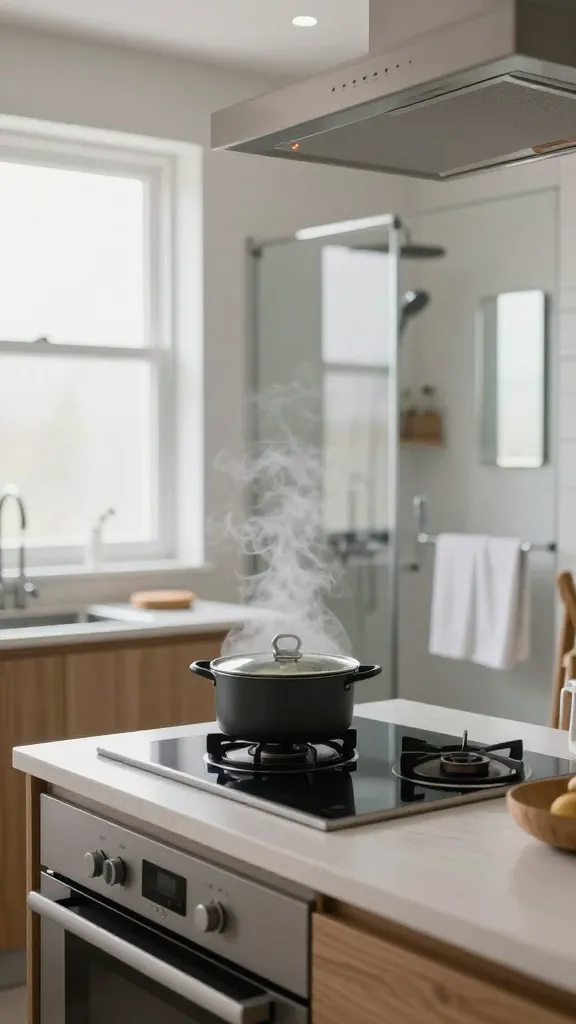
Kitchens and baths generate heat and humidity, and controlling those zones reduces overall indoor warmth, cook with lids on, prefer cold breakfasts when possible, and use exhaust fans during and after use. Plan meals to minimise hot appliances during peak sun hours.
In bathrooms, vent during showers and dry damp areas with towels. Steam fogs up windows and mirrors, and the humidity spreads. A quick towel-dry after a shower prevents buildup. The goal is to contain heat and humidity at the source, not let it migrate through the apartment.
I cooked elaborate meals in the afternoon, and my apartment would stay hot for hours. Then I shifted to cold breakfasts, simple lunches, and cooking in the evening when it’s cooler. I use lids on pots to trap heat, and I run the exhaust fan during and after cooking. The kitchen stays cooler, and the heat doesn’t spread.
Takeaway: Cook in the evening. Lids on. Exhaust fans. Contain heat at the source.
9. How Do You Maximise Daylight Without Heat Gain?
Maximise daylight while avoiding extra heat by choosing the right windows, blinds, and placement of furniture, use sheer curtains or light blinds, and arrange seating to benefit from daylight without direct sun. A well-positioned desk or chair gets the light without the glare or the heat.
Sheer curtains filter harsh sun while letting light through. Light blinds can be adjusted to block direct sun while maintaining brightness. Reposition a chair or desk so it benefits from daylight without being in direct sun. The goal is light, not heat.
I sat in direct sun, and by noon, I was overheated and squinting at my screen. Then I repositioned my desk near a window with sheer curtains. The light is soft, diffused, inviting. I get the daylight without the glare or the heat. The room feels brighter, but not hotter.
Takeaway: Sheer curtains. Light blinds. Reposition furniture. Light without heat.
10. Why Does a Cooling Routine Save Energy?
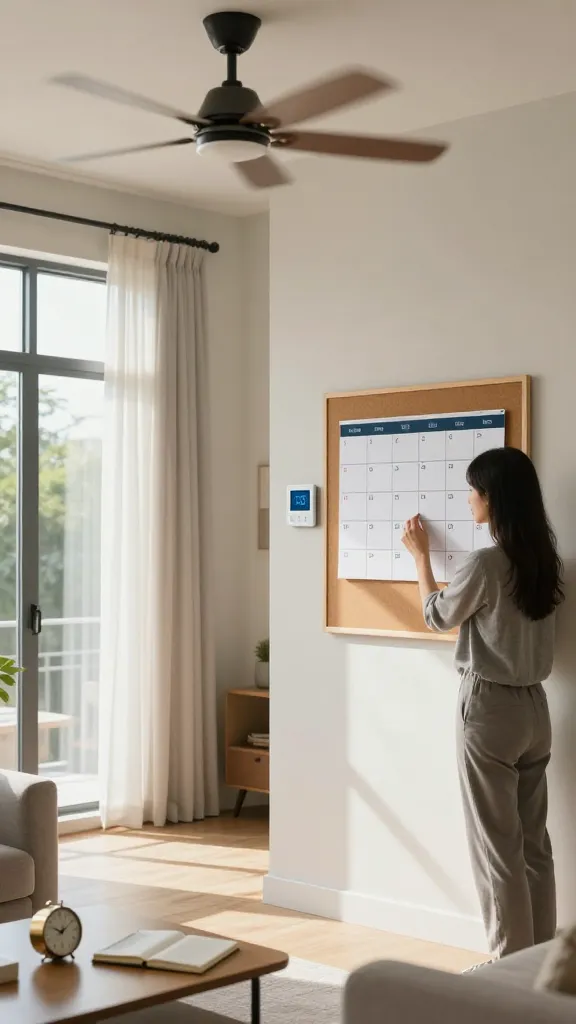
A little routine goes a long way, open windows when it’s cool outside, close them when heat spikes, and run fans as a cooling team. Consistency reduces peak loads and keeps spaces comfortable. Establish a daily window-open, window-closed schedule and stick to it for a week to measure comfort gains.
A settled routine beats a reactive one. Homes that ventilate on a schedule hold steadier indoor temperatures across the day, and they avoid the late-afternoon scramble when both the heat and the cost of cooling peak together. The routine matters more than the specific times.
I opened and closed windows randomly, and my apartment swung between hot and cool. Then I created a routine. Windows open from six to ten in the morning, when it’s cool. Closed from ten to six, when the sun is hottest. Open again from six onward, when the temperature drops. The apartment stays in a comfortable range, and I’m not constantly adjusting.
Takeaway: Morning open. Midday closed. Evening open. Stick to the routine.
11. How Do You Get Fresh Air Without Drafts?
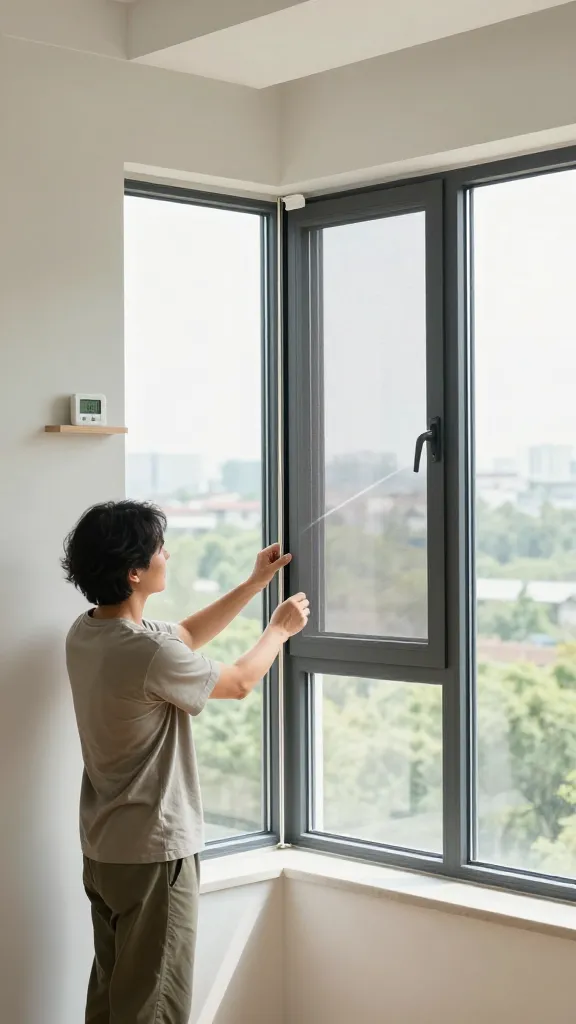
Strategic window use can vent heat without letting in hot air or insects, draft-proof with weatherstripping, use insect screens, and create a controlled cross-breeze by opening windows on opposite sides. Block drafts with a simple seal kit and test air flow with a tissue sheet near windows.
The key is control. You want fresh air, not drafts. You want ventilation, not insects. Weatherstripping seals gaps. Screens keep bugs out. Strategic window placement creates airflow. The result is fresh air without the downsides.
I opened windows and got blasted by hot air or bothered by insects. Then I added weatherstripping to seal gaps, installed insect screens, and learned to create a controlled cross-breeze. I open windows on opposite sides of the apartment, one to let air in, one to let air out. The air moves through, cooling the space without the chaos.
Takeaway: Weatherstripping. Insect screens. Cross-breeze. Fresh air, controlled.
12. Why Does Functional Decor Beat Fussy in Summer?
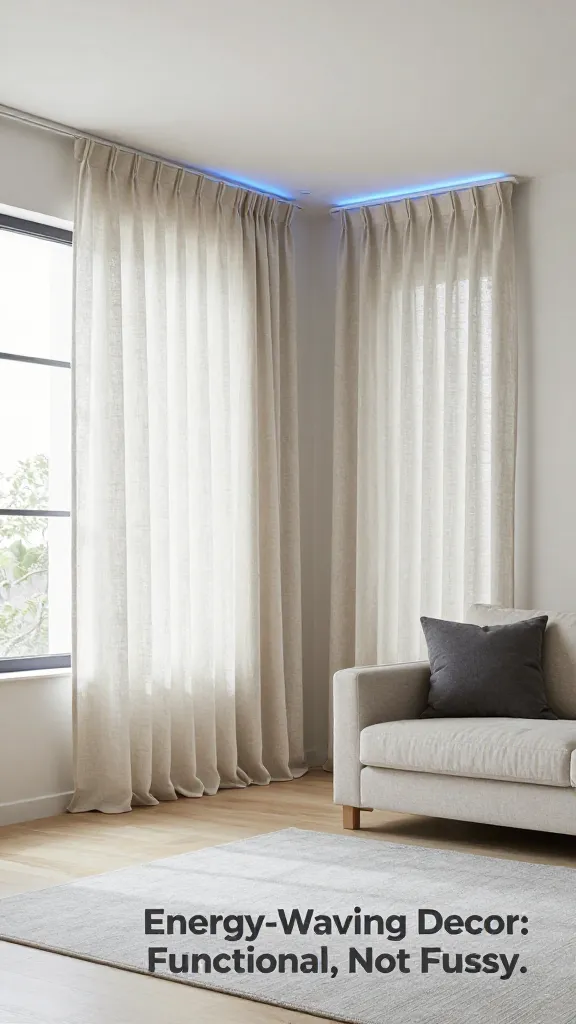
Decorating with cooling in mind reduces heat absorption and wasteful setups, opt for breathable fabrics, light-coloured rugs, and LED lighting. Function blends with beauty when chosen thoughtfully. Swap one heavy, dark textile for a light alternative this week to feel cooler instantly.
Keep decorative items off heat sources like radiators or lamps. Choose fabrics that breathe, linen, cotton, bamboo. Avoid dark colours that absorb heat. The goal is a space that feels easy, not fussy. Function and beauty aren’t opposites, they’re partners.
My heavy rugs, dark upholstery, and incandescent bulbs made the apartment feel stifling in summer. Then I swapped to breathable linen textiles, light-coloured rugs, and LED lighting. The room feels cooler, the light is softer, and my energy bills dropped. The decor works with the season instead of against it.
Takeaway: Breathable fabrics. Light rugs. LED lighting. Function with beauty.
Summer Cooling Techniques Compared
| Technique | How It Works | Energy Cost | Best For |
|---|---|---|---|
| Passive cooling | Block heat during day, release at night | Zero | All climates |
| Cross-ventilation | Open opposite windows to create airflow | Zero | Apartments with multiple exposures |
| Ceiling fans | Create wind-chill effect | Low (90% less than AC) | Rooms where you spend time |
| Strategic shading | Block direct sun on hottest windows | Zero | South and west-facing windows |
| Plant microclimates | Transpiration and shade | Minimal (water only) | Seating areas, desks |
| Light-coloured surfaces | Reflect solar radiation | Zero | All rooms, especially sun-exposed |
Frequently Asked Questions
What’s the fastest way to reduce indoor heat without AC?
Start with shading the hottest windows and improving cross-ventilation. Install light-coloured curtains, place a fan to push air across rooms, and keep interior doors open to promote airflow for noticeable relief within a day.
How can I keep plants from overheating in a sunny apartment?
Move sun-loving plants a bit back from direct sun and group them with moisture-loving varieties. Use light, breathable pots and ensure the soil is moisture-retentive but well-draining, watering less in the hottest weeks but keeping humidity steady.
Is it safe to use a portable evaporative cooler in a small apartment?
Yes, as long as the humidity stays comfortable and the unit is well-ventilated. Place it near a window so that cool air exits and fresh air can replace it, keeping humidity between forty and sixty percent to avoid mold risk.
How do I tell if my humidity is at a healthy level?
Look for forty to sixty percent humidity on typical days. If you don’t have a meter, watch for signs of dryness, skin and throat, or excess dampness, mold, condensation, and adjust with a humidifier or dehumidifier accordingly.
Conclusion
You don’t need air conditioning to survive summer, you need sun-smart habits, passive cooling, and a willingness to work with the season instead of against it. Start with one or two actions this weekend, then layer in more as you notice comfort improving and your space feeling lighter. Your apartment can stay cool, natural, and easy without the noise, without the cost, without the environmental impact. Just open a window at the right time, draw a curtain, and let the season work for you. If you want to extend this seasonal approach to the rest of the year, my guides on seasonal home changes, spring decor, and intentional living show how to keep your home feeling fresh and grounded all year round.
Leave a Reply