12 Dark Earthy Cottage Decor Ideas That Feel Warm, Not Heavy
· thehazelcottage@mail.com
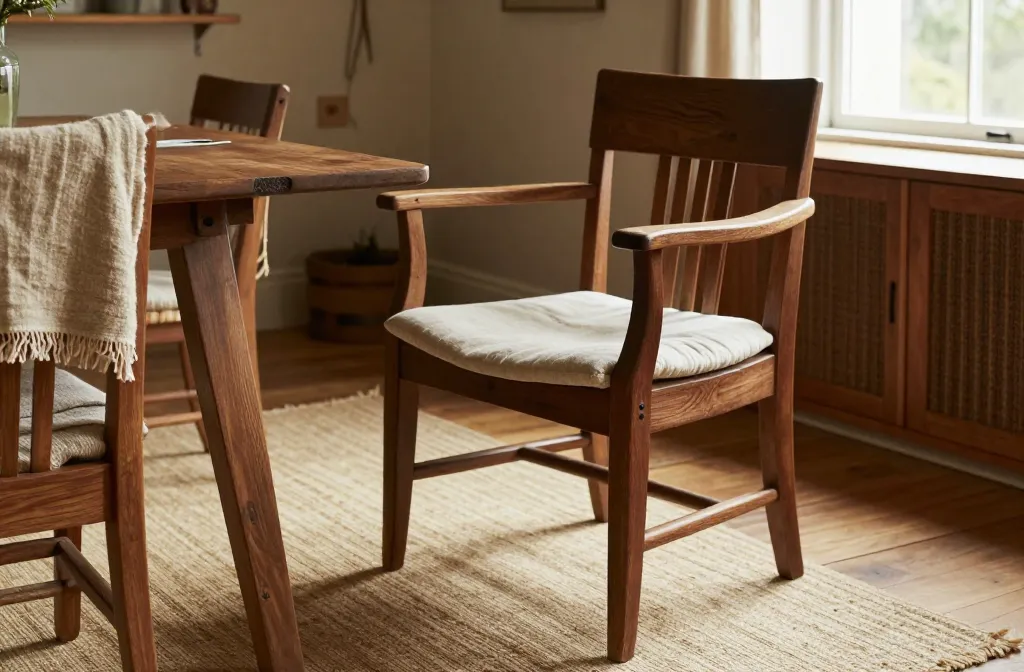
When I redesigned a small apartment living room, I leaned into dark, earthy tones that still invited coziness. The result was a space that feels grounded and welcoming, not oppressive. Below are practical, 12 ideas that balance depth with warmth, using common materials from a garden centre or hardware store.
1. Embrace Dense Wood Tittings and Reclaimed Furniture
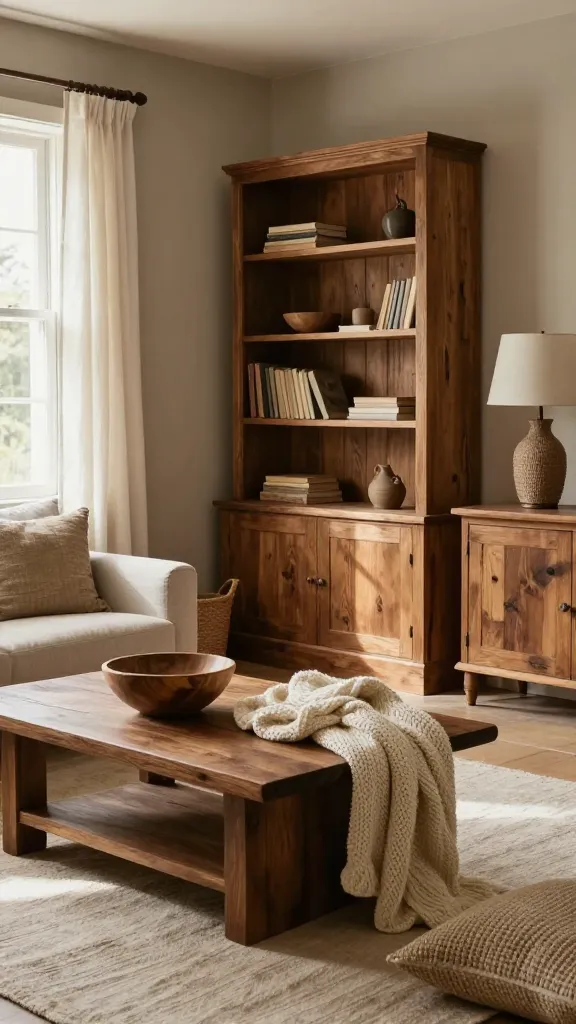
Dark woods and heavy furniture can overwhelm a room, but when chosen thoughtfully they create a snug, cottage feel. The key is to pair dense pieces with lighter textures to prevent the space from feeling closed in.
Signs You’re On The Edge of Heavy
- Large, dark pieces dominate the room with little contrast
- Flat lighting makes the wood look flat and dull
- Textiles feel thin or sparse against the furniture
How to Fix It
- Balance a deep wood table or cabinet with lighter throws and cushions
- Expose a small amount of natural wood grain by using matte finishes
- Place a mid-toned rug under the furniture to anchor the space
What to Use Instead
- One or two large, dark pieces mixed with natural linen, jute, or wool textiles
- A vintage wooden chair with a light cushion or slipcover
Takeaway: Anchor with a lighter textile and keep the wood as an accent, not the star.
2. Choose Warm, Dark Wall Paints Without Crushing Light

Deep, earthy wall colors can feel inviting if there’s enough light and contrast. I test swatches near natural light and pick a shade that reads warm by day and moody by night.
Signs Your Walls Are Too Heavy
- Natural light makes the walls look flat or dull
- Rooms feel smaller than their actual size
- Dark paint chips reveal a cold undertone
How to Fix It
- Pair dark walls with white or cream ceilings and trim
- Use warm undertones like terracotta, olive, or charcoal-brown
- Add metallic accents to reflect light
What to Use Instead
- Paints labeled “warm gray,” “olive,” or “charred pine” on walls
- Accent walls with a slightly lighter shade to preserve depth
Takeaway: Keep ceilings light and introduce warm accents to prevent a cocoon-like effect.
3. Layer Lighting to Create Depth and Warmth
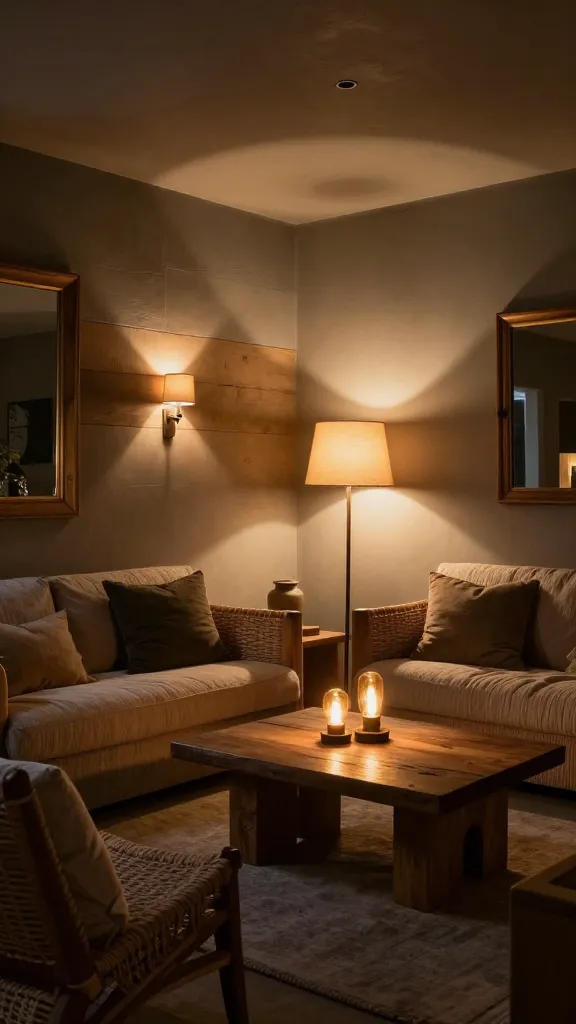
Single overhead lighting can flatten a dark palette. I layer table lamps, wall sconces, and a floor lamp to create pockets of glow that soften the atmosphere.
Signs Your Lighting Is Flat
- Only one ceiling light illuminates the room
- Shadows are harsh in corners and around furniture
- Warm light bulbs make the room feel sallow rather than inviting
How to Fix It
- Use a mix of warm LEDs (2700K–3000K) and table lamps for warmth
- Place lamps at different heights to sculpt the space
- Try a dimmer switch on main lighting for flexibility
What to Use Instead
- A floor lamp with a fabric shade near seating
- Two to three table lamps with warm bulbs on side tables
Takeaway: Build a lighting trio that creates pockets of warmth without relying on one bright center.
4. Use Earthy Textiles to Add Softness Without Obscuring Color
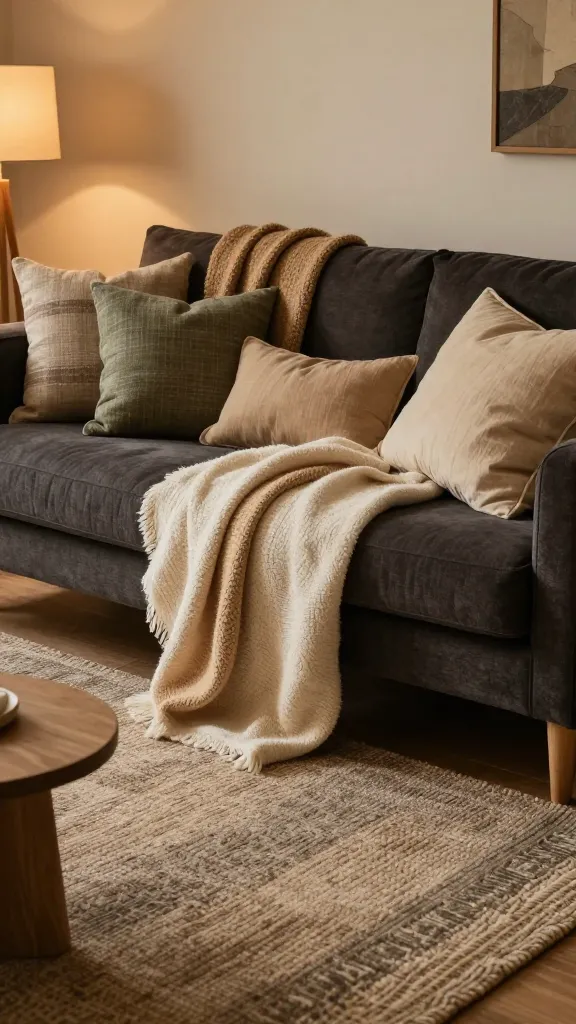
Textiles are your best tool to soften a dark palette. I combine heavy textures with lighter neutrals to keep the space inviting.
Signs Textiles Feel Flat
- Only one texture is used throughout
- Contrasts are too subtle to notice
- Seating feels rigid rather than inviting
How to Fix It
- Mix wool, linen, and cotton in varying thicknesses
- Choose textiles in warm neutrals—cream, camel, taupe, moss
- Use a tactile rug with a low pile to ground the space
What to Use Instead
- Throw blankets in 2–3 complementary textures
- Upholstery accents in matte, earthy tones
Takeaway: Layer at least two contrasting textures to render warmth without heaviness.
5. Bring in Natural Materials That Read as Cozy
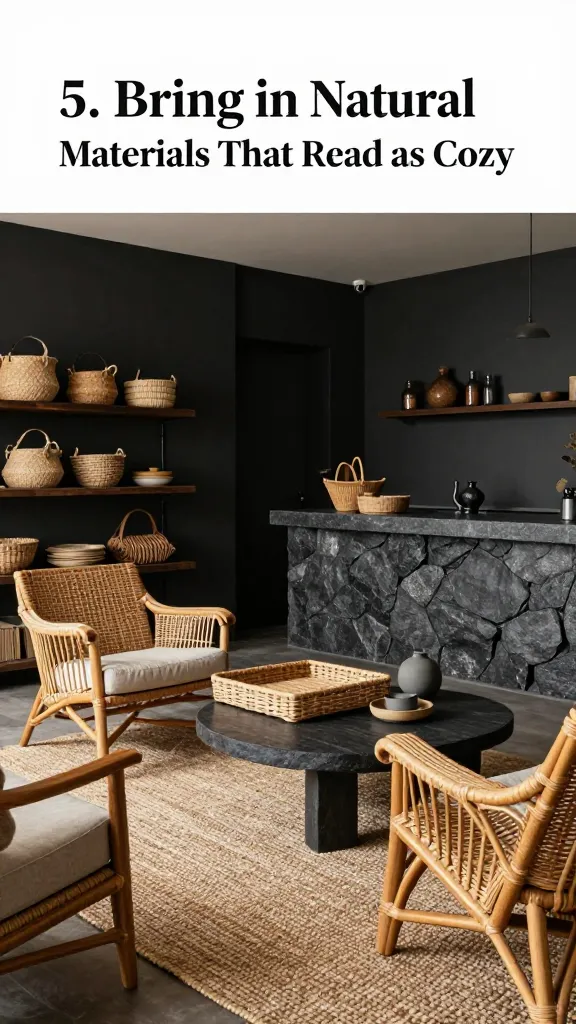
Natural materials like wicker, jute, and stone soften dark schemes and invite touch. I use them as accents rather than major surfaces.
Signs You’re Missing Texture
- Surfaces look uniform and flat
- Lighting bounces harshly off glossy surfaces
- Rooms feel clinical rather than lived-in
How to Fix It
- Add a jute rug under seating
- Display woven baskets on shelves or a coffee table
- Incorporate a stone countertop or faux stone slab as an accent
What to Use Instead
- Wicker tray tables, rattan side chairs, a cork placemat set
- A slate or pebble tray to ground lamps and decor
Takeaway: Small natural elements go a long way toward warmth without heaviness.
6. Create a Dark, Textured Palette with Painted Surfaces
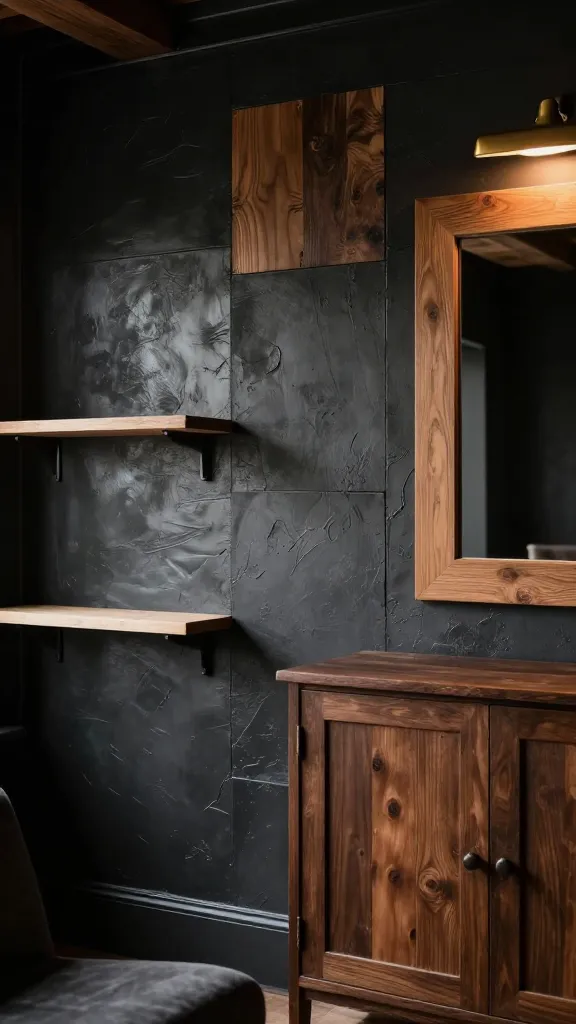
Instead of solid blocks of dark color, I build depth with multiple shades and finishes on walls, cabinetry, and furniture.
Signs Your Palette Is Monochrome
- All surfaces read as the same dark tone
- There’s no visual hierarchy in the room
How to Fix It
- Mix satin and matte finishes; varnish some wood to bring out grain
- Introduce a lighter wood panel or a painted cabinet door in a warmer shade
What to Use Instead
- A pair of lighter shelves or an oak-framed mirror against a dark wall
- Brass or bronze hardware to add gleam and warmth
Takeaway: Vary finishes across surfaces to guide the eye and prevent a flat look.
7. Add Greenery with Dark-Watered Leaves and Textured Pots
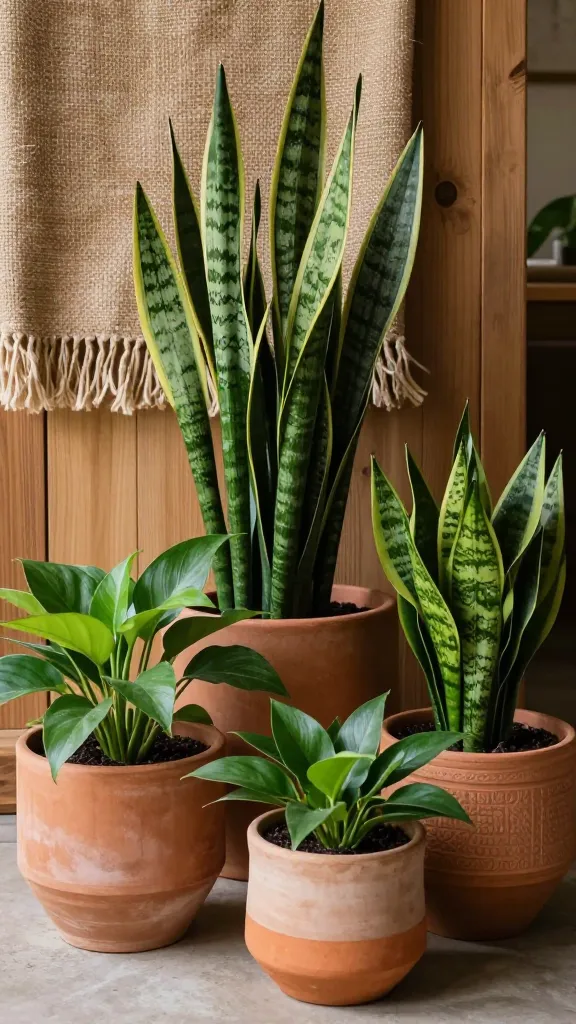
Plants cut through darkness by adding life and a soft contrast. Choose sturdy greens with matte leaves and place them in textured pots that echo earthy tones.
Signs Your Plant Trio Isn’t Working
- Leaves look limp or yellow in low light
- Soil dries out too quickly or remains soggy
How to Fix It
- Place plants near bright indirect light; water when the top inch of soil is dry
- Grouping three different textures in planters creates depth
What to Use Instead
- Snake plant, pothos, or ZZ plant in clay or matte-finish pots
Takeaway: Use a small collection of hardy, low-maintenance plants to add life and soften edges.
8. Introduce Warm Metallic Accents That Reflect Light
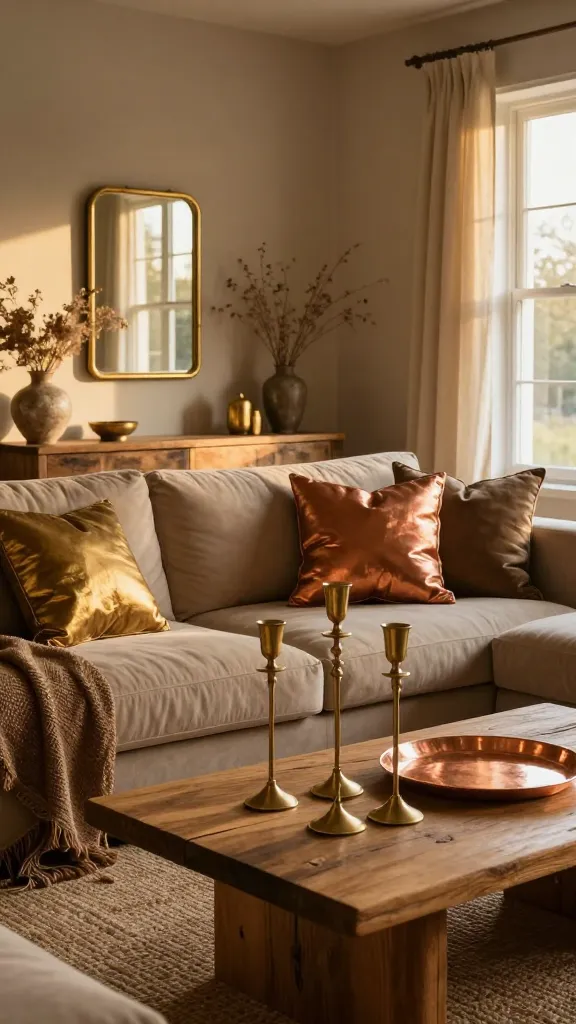
Gold, brass, or copper accents bounce light in a dark room, preventing it from feeling claustrophobic.
Signs Accents Look Cheap or Dated
- Metal finishes clash with wood tones
- Hardware and decor feel ubiquitous rather than curated
How to Fix It
- Limit metals to two tones and keep them in similar warmth (all brass, or all bronze)
- Choose matte rather than highly polished finishes for a cottage feel
What to Use Instead
- Brass candlesticks, a copper tray, and a small brass-framed mirror
Takeaway: Let metallics glow softly to lift the mood without overpowering the space.
9. Use Large-Scale Textured Fabrics for Coziness
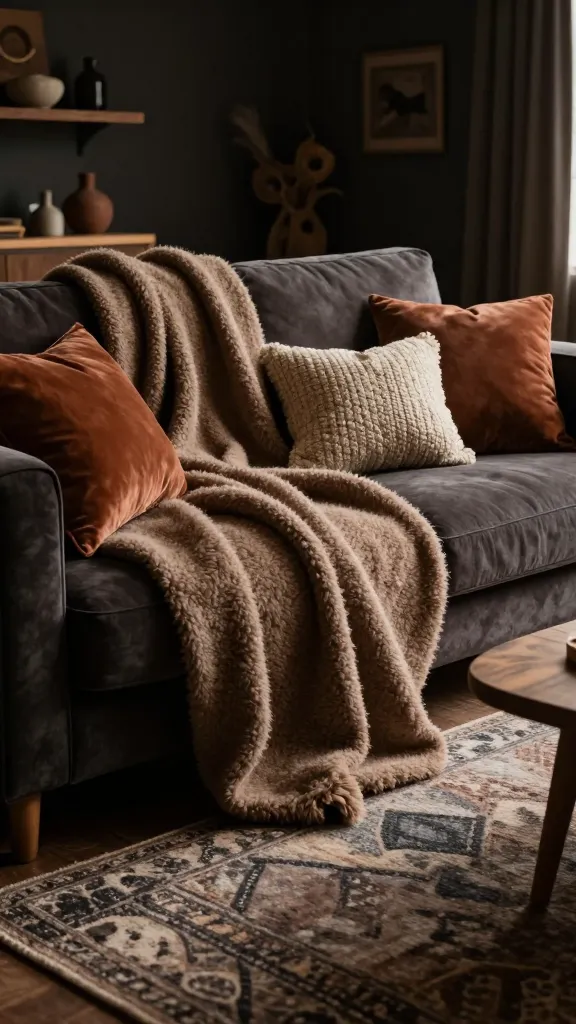
Large textiles like a chunky knit throw or a wool blanket instantly warm up a seating area in a dark room.
Signs You’re Skimping on Textiles
- Seating appears naked or uncomfortable
- Colours feel flat because there’s nothing substantial to touch
How to Fix It
- Cover a sofa with a thick wool throw and at least two cushions in a contrast shade
- Layer a textured rug with a subtle pattern to anchor seating
What to Use Instead
- A large knitted throw over the back of a chair
- A denim cushion along with a moss-green velvet one for depth
Takeaway: Texture and scale create warmth that light and color alone cannot provide.
10. Integrate Wagon-Wheel or Farmhouse-Inspired Details
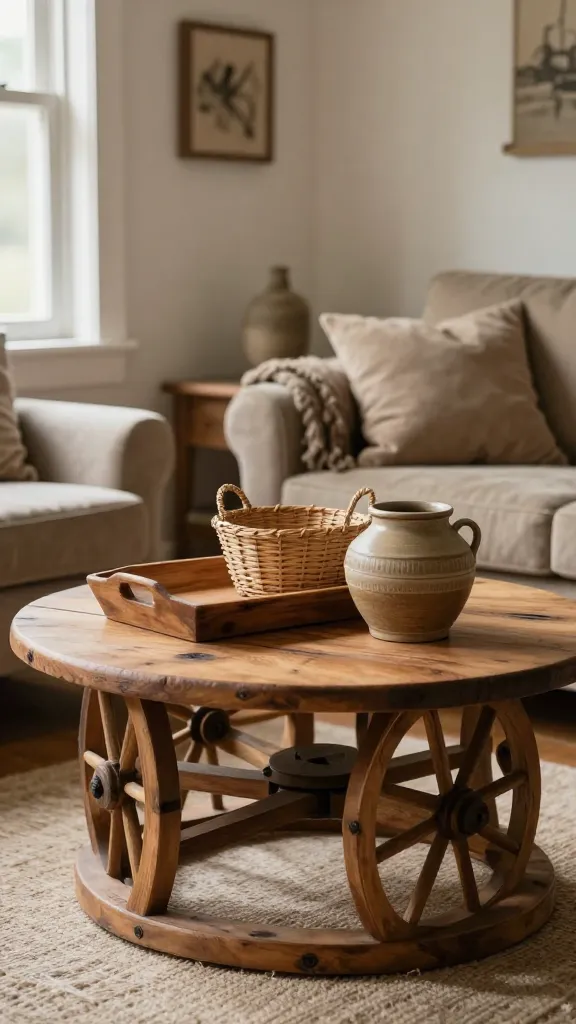
Small decorative elements grounded in cottage style add charm without heaviness. I keep these pieces in natural wood or aged finishes.
Signs These Details Feel Forced
- Decor looks borrowed rather than lived in
- Too many small accents create visual noise
How to Fix It
- Limit to three well-chosen pieces per room
- Choose items with a soft patina rather than glossy finishes
What to Use Instead
- A wooden tray, a woven basket, and a ceramic jar in coordinating tones
Takeaway: Let a few authentic cottage pieces tell the room’s story.
11. Create a Cozy Corner with a Small Reading Nook
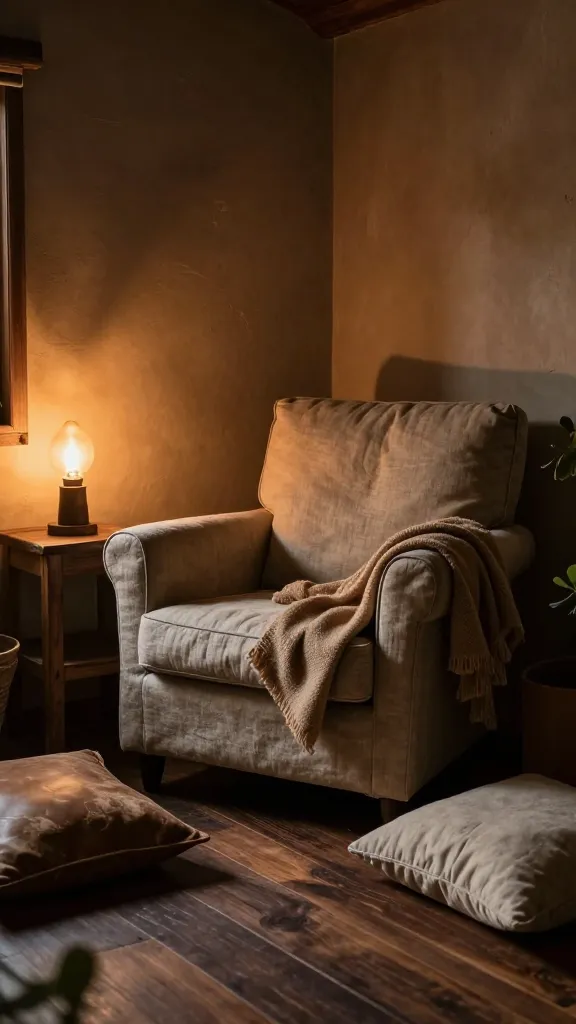
A dedicated quiet corner with comfortable seating and warm lighting instantly makes a space feel welcoming and lived-in.
Signs Your Nook Isn’t Working
- The corner feels unused or visually heavy
- Light levels don’t invite relaxation or reading
How to Fix It
- Place a compact armchair or floor chair with a soft throw
- Use a small side table and a lamp with a warm bulb
What to Use Instead
- A weathered leather chair or a linen-upholstered seat with a warm cushion
Takeaway: A practical reading nook makes the room feel lived-in and inviting.
12. Optimize Storage to Keep Surfaces Clear and Calm
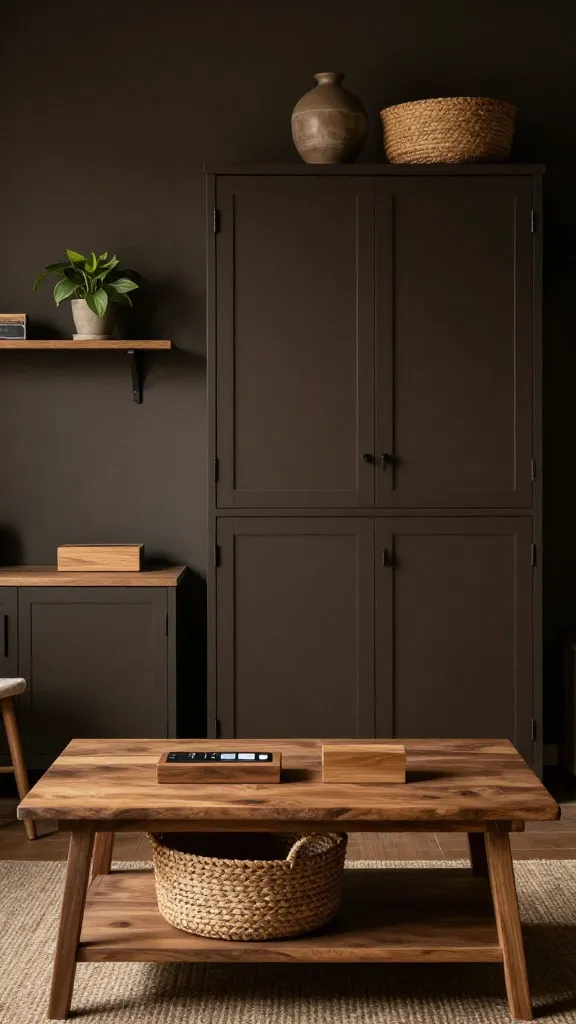
Clutter is the foe of warmth. I pair closed storage with visible decor that belongs, so the room feels tidy but tactile.
Signs Your Space Feels Cluttered
- Shelves overflow; surfaces are densely packed
- Objects lack a home and appear randomly placed
How to Fix It
- Use storage cabinets or baskets with a natural texture
- Limit visible decor to 3–5 cohesive pieces per surface
What to Use Instead
- Woven baskets under tables, a wooden box for remotes, and a slim wall shelf for plants
Takeaway: Clear surfaces create a calm backdrop that enhances warmth and comfort.
FAQ
What color palette works best for a warm, dark cottage look?
Start with deep, earthy base colors like charcoal, espresso, or slate, then add warm neutrals such as cream, taupe, and soft browns. Introduce a single accent color—olive, terracotta, or moss—for depth. Test swatches near windows to see how they read in daylight and artificial light.
How can I avoid my room feeling small with dark walls?
Keep ceilings light, use a lighter color on trim, and incorporate reflective surfaces like a mirror or glossy ceramic. Add texture with textiles and wood to maintain warmth without shrinking the room visually.
Which plants thrive in a dark, earthy cottage space?
Houseplants that tolerate lower light include pothos, snake plants, ZZ plants, and philodendrons. Place them near bright indirect light and rotate occasionally to balance growth. Water when the top inch of soil is dry to the touch.
How do I balance heavy furniture with a small footprint?
Choose one large, dark piece as the focal point and offset it with lighter textiles, plants, and mirrors. Keep pathways clear and use smaller-scale seating to maintain airiness while preserving warmth.
What is the best way to light a dark cottage room?
Layer light sources: one overhead, plus a couple of table lamps or wall sconces. Use warm bulbs (2700–3000K) and a dimmer if possible. Aim for multiple pools of light rather than a single bright source.
Conclusion
With these practical, accessible ideas, you can craft a dark, earthy cottage atmosphere that feels intimately warm rather than heavy. Start with one or two changes, then layer textures, lighting, and natural materials over time to build your own cozy retreat.
Leave a Reply