8 Kitchen Counter Styling Ideas for an Earthy, Natural Space
· thehazelcottage@mail.com
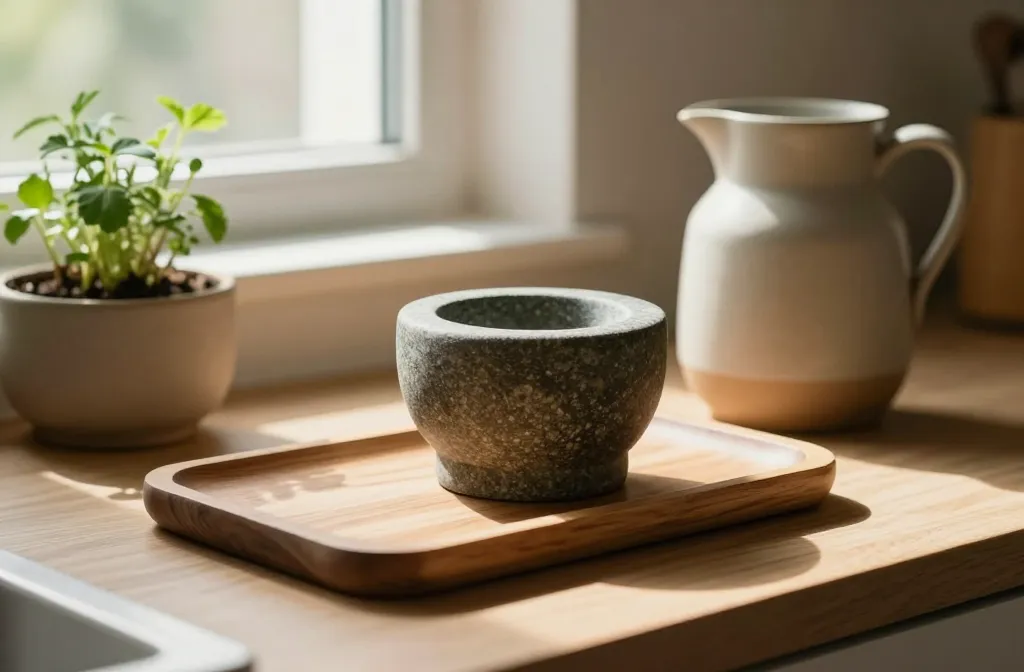
I’m not a professional designer, but I’ve spent months turning a small apartment into an earthy, nature-inspired hub using only common store items. If your counters feel sterile or crowded, you’re not alone. You’ll learn practical ideas that fit a typical kitchen and boost warmth and texture without clutter.
1. Layer Natural Materials: Wood, Stone, and Ceramic Textures
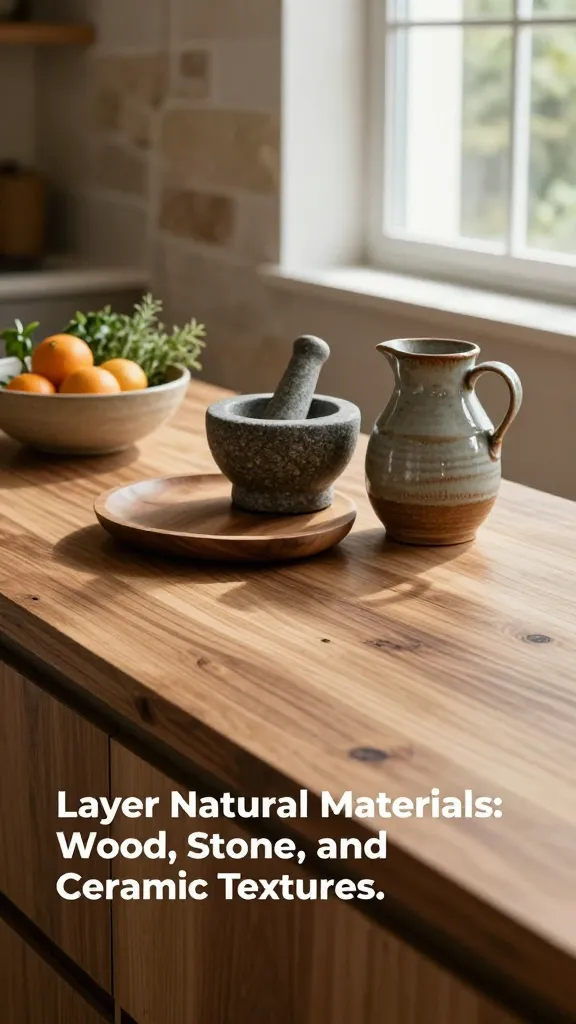
<pThe risk of a flat, clinical counter is a lack of depth. Layering natural textures creates visual interest and a tactile, cozy vibe that invites you to touch and linger. The right combination anchors the space and matches a wide range of color schemes.
Signs You Need More Texture
- Your countertops look flat or uninviting
- Flat color dominates rather than warmth or contrast
- Different textures feel mismatched or chaotic
How to Fix It: Place a small wooden tray, a stone mortar, and a ceramic pitcher together in a shallow grouping near the sink or window. Use a low-profile, neutral-toned bowl to hold fruit or herbs.
Takeaway: Create a single, cohesive texture trio on your counter today to add warmth without crowding.
2. Incorporate Live Herbs for Color and Freshness
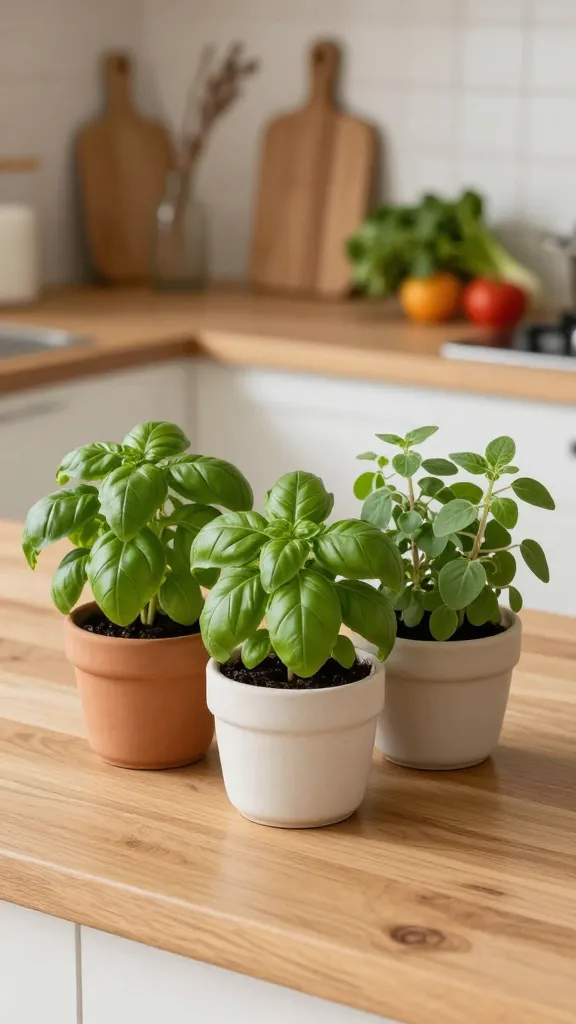
<pLive herbs introduce color, scent, and practicality. They break the sterility of metal or plastic and encourage you to cook with what you see. Choose compact varieties that thrive in bright indirect light near a window.
Signs You Should Add Fresh Herbs
- Your counter feels dull or lifeless
- You rarely reach for fresh greens while cooking
- You want a subtle, natural fragrance without overpowering scents
How to Fix It: Grow and prune a small herb trio—basil, oregano, and chives—in a shallow pot or a set of ceramic planters. Place them in a sunny corner, rotate weekly for even growth.
Takeaway: Reserve a dedicated herb cluster within easy reach for daily cooking and a quick green update.
3. Use Earthy Color Palettes: Greige, Sage, and Terracotta
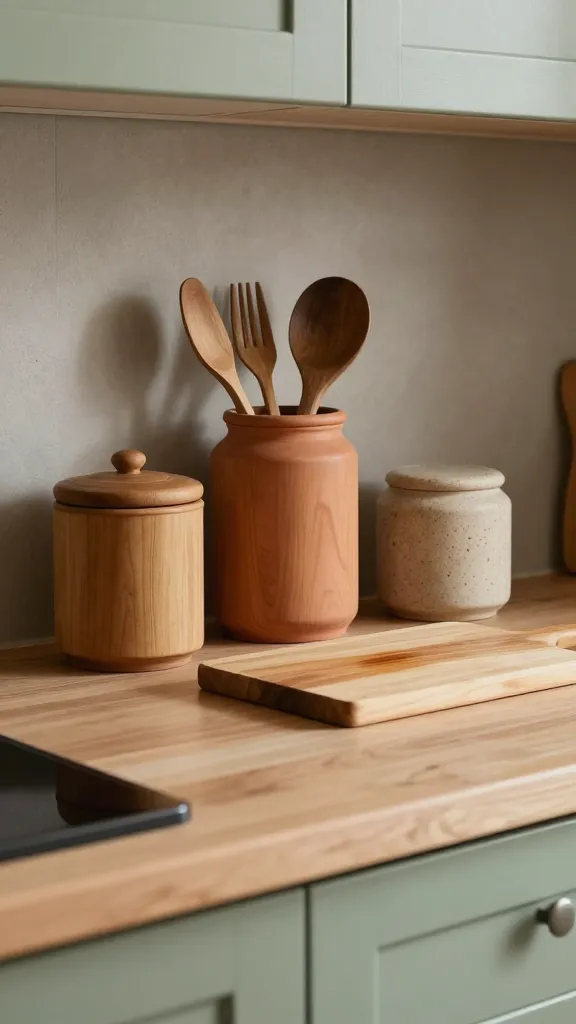
<pA natural space hinges on color that soothes rather than energizes. Earthy neutrals like greige, sage, and terracotta give warmth without feeling heavy or dated. They pair with wood and stone accents beautifully.
Signs Your Palette Feels Off
- Countertop décor looks mismatched or cartoonish next to appliances
- Bright white or stark blacks dominate the space
- You crave a calmer, more grounded mood
How to Fix It: Swap a bright utensil jar for a terracotta or ceramic vessel, and replace a metal canister with a matte-finish wooden or stone option. Dry-brush or lightly stain a small wooden cutting board to echo the undertone of furniture.
Takeaway: Introduce three earthy accents on the counter to unify the space visually.
4. Add Greenery in Upright or Trailing Pots
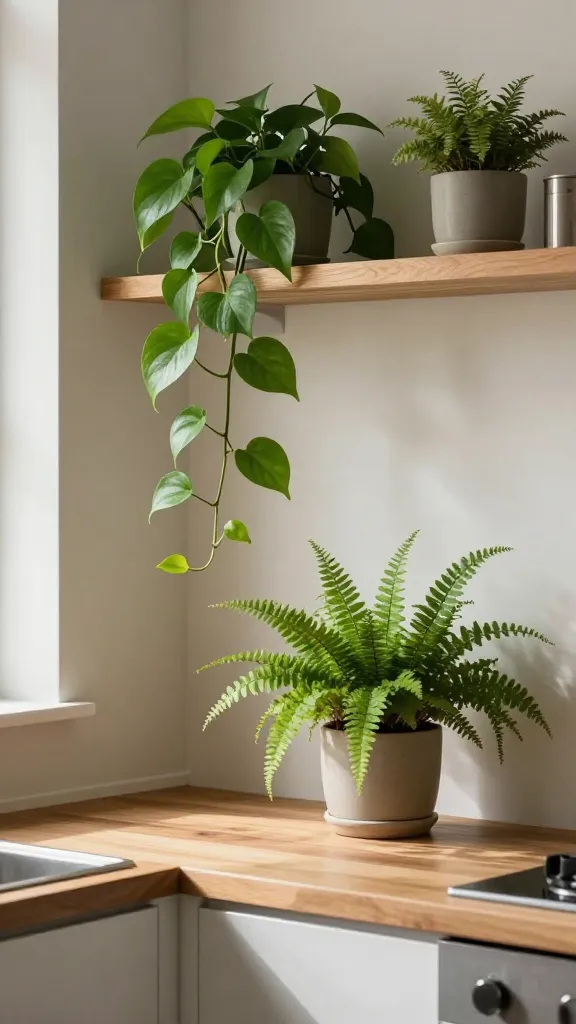
Small plants soften edges and pull the outdoors inside. Choose low-maintenance greenery like pothos, pothos philodendron, or a small fern that tolerates indoor conditions. Use simple pots that match your wood or ceramic palette.
Signs You Need More Greenery
- Counter looks sterile or too metal-heavy
- Limited natural texture near the prep zone
- Infrequent plant maintenance due to complicated care
How to Fix It: Place a trailing pothos on a wall-mounted shelf or pendant pot, and add a compact fern in a small ceramic pot. Water sparingly and allow the soil to dry slightly between waterings.
Takeaway: Add at least one greenery element that can thrive with bright indirect light today.
5. Declutter with Thoughtful Storage: Baskets, Boxes, and Open Shelves
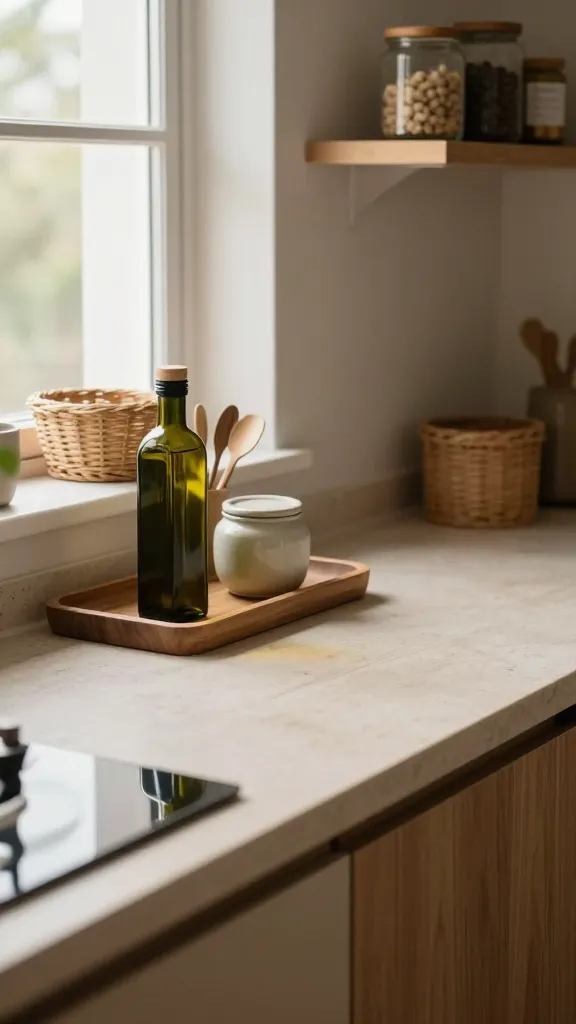
<pA cluttered counter sabotages the earthy look. Use baskets and lidded boxes to corral items, and keep open shelves for curated display rather than random objects. The key is to maintain a clean surface while still showing natural textures.
Signs Your Counter Is Too Cluttered
- Items spill onto the work surface
- Visible stacks of jars and gadgets create visual noise
- Hard-to-reach items hinder cooking flow
How to Fix It: Transfer frequently used items to a shallow wooden tray or a low-profile basket that fits under the window. Store rarely used items in cabinets or higher shelves to free surface area.
Takeaway: Create a single, accessible storage zone on the counter that keeps essentials visible and the surface clear.
6. Introduce Warm Metals Sparingly: Brass, Bronze, or Blackened Steel
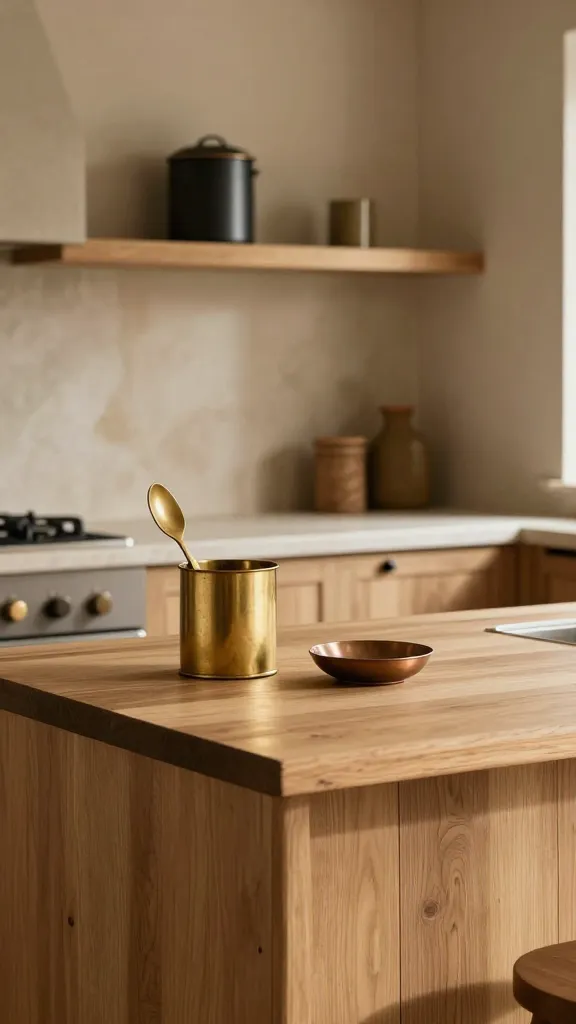
A couple of metallic accents pull the earthy theme together. Opt for warm brass or bronze hardware finishes or a blackened steel canister set to echo natural tones without shouting modern.
Signs You Overuse Metal
- Brass dominates while other textures appear flat
- Metal surfaces show fingerprints or glare from kitchen lighting
- The space feels clinical rather than cozy
How to Fix It: Choose one or two metal pieces, such as a brass utensil holder and a bronze soap dish, and keep the rest out of sight. Match them to wooden or ceramic elements for balance.
Takeaway: Limit metal to a pair of accents to maintain an earthy calm on the counter.
7. Create a Minimalist Arrangement with Symmetry
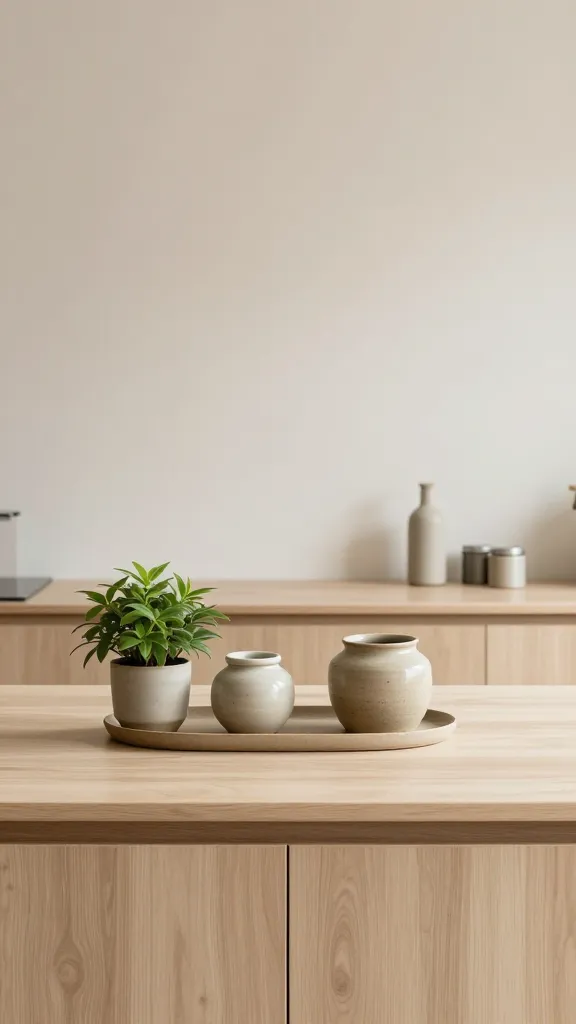
<pEarthy spaces benefit from calm, orderly arrangements. Symmetry locks in balance and reduces visual chaos. A simple, mirrored pairing or a centered focal point anchors the counter without feeling sterile.
Signs Symmetry Is Missing
- Tasks feel tedious due to constant rearranging
- Counter space alternates between busy and empty
- Each item feels visually “out of place”
How to Fix It: Place a central tray with two matched items on either side, such as a small plant and a ceramic jar. Align items along a single line for a cohesive look.
Takeaway: Build one clean, symmetrical arrangement you can maintain weekly.
8. Use Natural Light to Highlight Texture and Color
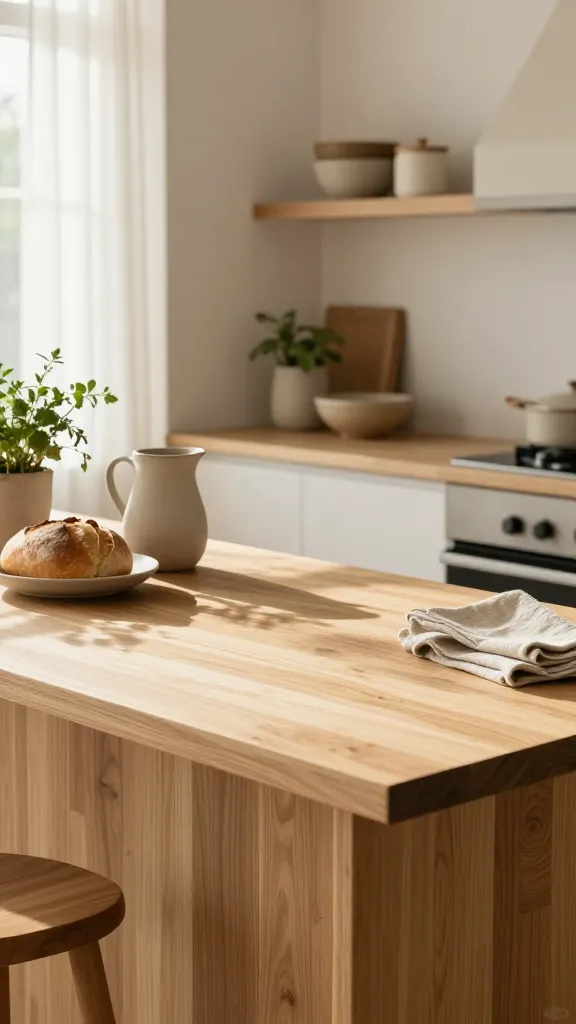
<pNatural light transforms earthy styling by bringing out wood grain, clay textures, and plant greens. Position your counter groupings near a bright indirect window to maximize depth and warmth throughout the day.
Signs Light Feels Harsh or Harshly Shadows
- Direct sun causes glare on glossy surfaces
- Shadows obscure the countertop layout
- You struggle to see the true color of materials
How to Fix It: If glare appears, switch to matte finishes or move reflective items away from direct sun. Use a sheer curtain to soften sunlight while preserving brightness.
Takeaway: Reconfigure the counter so daylight sculpts texture rather than washing it out.
Frequently Asked Questions
What are easy, earth-friendly materials I can buy at a standard garden centre?
Look for terracotta pots, untreated wood trays, ceramic jars with matte glazes, and simple metal canisters in brass or bronze tones. Choose sturdy planters with drainage and avoid glossy finishes that glare in sunlight. Pair them with a few natural textiles like a jute placemat to tie the look together.
Can I use artificial plants if I don’t have good light?
Yes. Choose high-quality silk or plastic undertones designed to mimic real plants. Place them near indirect light or under soft indoor lighting to maintain a natural appearance. Combine with natural textures for a balanced feel and avoid clustering too many artificial items together.
How do I keep an earthy counter looking clean and fresh?
Wipe down surfaces daily with a mild, unscented cleaner and dry thoroughly. Use a damp microfiber cloth to lift dust from wood and ceramic textures, then dry with a lint-free cloth. Regularly declutter by returning items to their designated spots after use.
What are some budget-friendly ways to refresh a counter without buying much?
Repurpose existing items: a wooden cutting board as a base for a small herb pot, a ceramic bowl for fruit, or a metal tin for utensils. Refinish a wooden tray with a light olive oil or wax to enhance grain and protect surfaces. Swap out a few decorative pieces to instantly refresh the look.
How can I introduce more texture without crowding the workspace?
Limit texture to three cohesive elements and repeat them subtly. Use a single tray to group objects, and place one plant or decorative item at each end of the counter. Keep surfaces clear by using vertical storage for items that don’t need daily access.
Conclusion
Turning a basic kitchen counter into an earthy, natural space is about thoughtful layering, restraint, and deliberate textures. Start with one or two of the ideas above, and you’ll gain warmth and calm that make cooking—along with daily life—feel more rooted in nature.
Leave a Reply