8 Sunday Rituals for a Slower, More Grounded Home
· thehazelcottage@mail.com
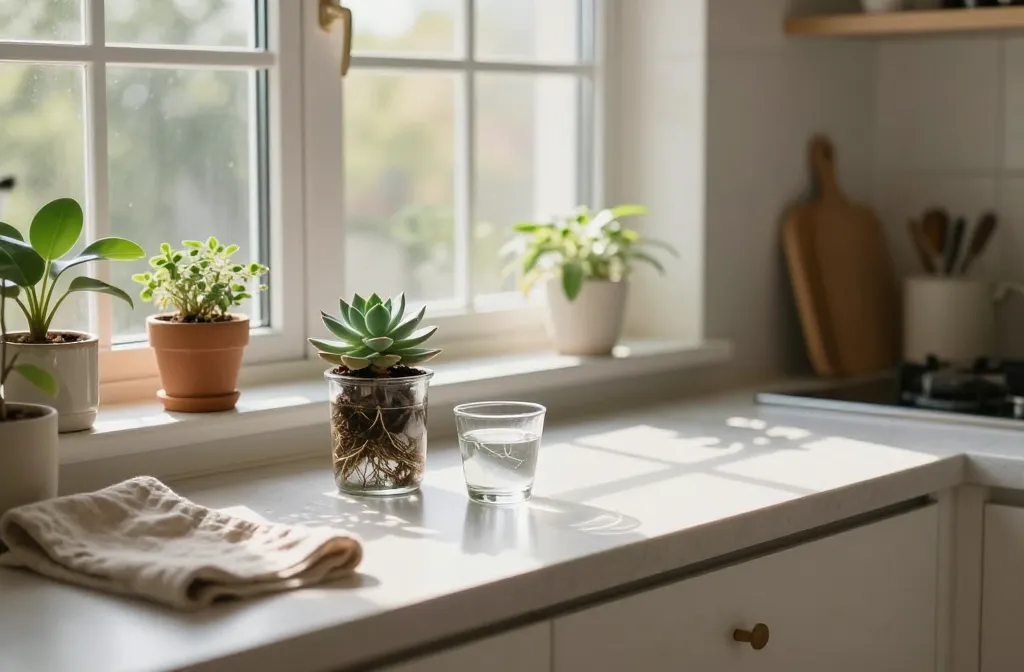
I used to race from chore to chore on Sundays, letting the pressure of the coming week steal whatever calm the morning promised. Then I started small — one intentional ritual, then another — and something shifted. By Monday, my home felt steadier, my mind quieter, and the day itself felt like mine instead of a countdown to work.
If your Sundays feel like a rushed blur of errands and anxiety, you’re not alone. But you can reclaim them with simple, grounding practices that slow your pace and root you in the present. Here are eight rituals that transformed my Sundays from chaotic to calm — and they work whether you have a studio apartment or a sprawling farmhouse.
1. How Do You Start Sunday Morning Without Rushing?
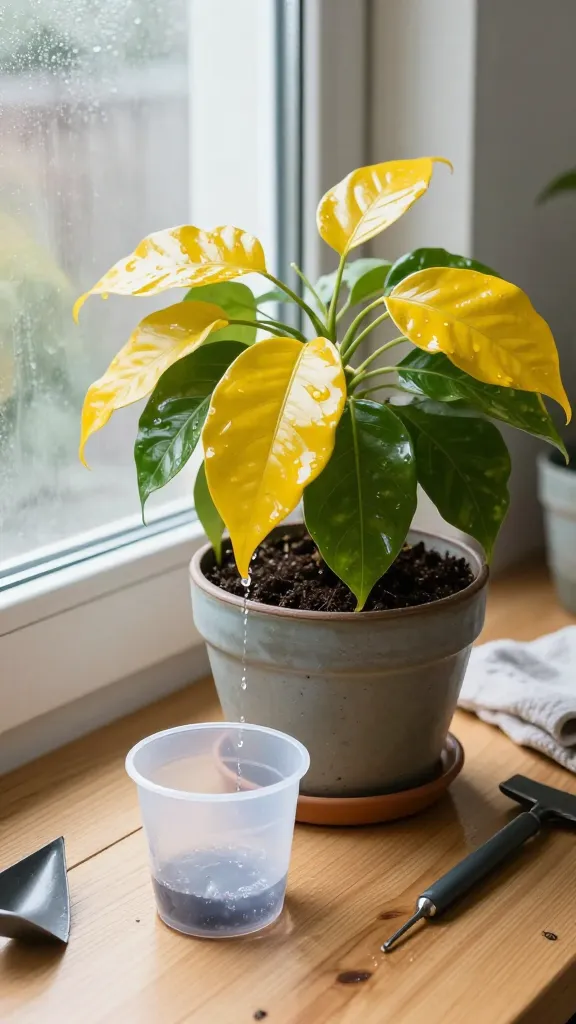
Leave your phone in another room for the first hour. Make a warm drink, sit by a window, and spend five to ten minutes watching the light move across the room. This pause signals to your nervous system that the day belongs to you, not to the demands waiting in your inbox.
The first ritual is also the hardest: don’t touch your phone when you wake up. I know — it’s tempting to scroll, check email, or see what the world missed overnight. But that first hour sets the tone for everything that follows. Harvard Business Review research on rituals shows that intentional morning practices reduce cortisol levels and improve focus throughout the day.
I reached for my phone before my feet hit the floor for years, and the day felt behind before it began. Then I moved the charger to the kitchen overnight. In the morning, I’d walk barefoot to silence it, make tea, and sit by the window. No planning. No lists. Just watching the light. Within a week, Sundays stopped feeling like a race.
Instead, make a warm drink — tea, coffee, whatever brings you comfort — and sit with it. Don’t plan the day. Don’t make a list. Just sit. Watch the light move across the room. Listen to the sounds of your home waking up. Notice how your body feels. This ten-minute pause signals to your brain that you’re not in survival mode, that this day belongs to you.
Takeaway: Tomorrow morning, leave your phone in another room for the first hour. Drink something warm. Watch the light.
2. What’s One Surface You Can Clear to Create Calm?
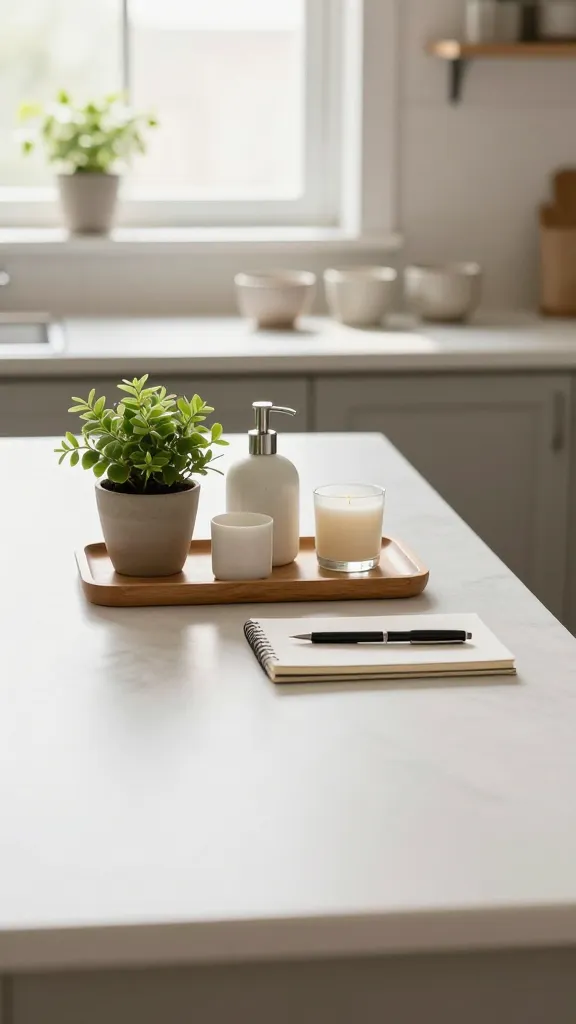
Choose one high-traffic surface — a kitchen counter, a windowsill, a bedside table — and clear it completely. Wipe it down, return items to their places, and leave it empty. Ten minutes of intentional decluttering creates visual quiet that reduces stress all week.
Clutter isn’t just physical — it’s mental. Every stack of mail, every pile of dishes, every collection of random objects screams deal with me at a subconscious level. The American Psychological Association notes that cluttered environments increase cortisol and make it harder to relax.
But you don’t need to declutter your entire house. Pick one surface — the kitchen counter where you set your keys, the windowsill above your sink, the nightstand beside your bed — and clear it. Wipe it down. Put everything in its place or in a drawer. Stand back and look at it.
That clear space is a gift to your future self. Every time you walk past it during the week, you’ll feel a small exhale. Ten minutes of Sunday clarity creates seven days of visual calm.
Takeaway: Choose one surface today. Clear it, wipe it, leave it empty. Notice how it feels.
3. How Does a Weekly Review Reset Your Mind?
Spend fifteen minutes reviewing the past week — what worked, what didn’t, what you want to carry forward — then write three intentions for the week ahead. This simple act closes one chapter and opens the next with clarity, reducing anxiety and improving emotional regulation.
Most of us move through the week on autopilot, reacting instead of choosing. A weekly review breaks that pattern. It’s not about productivity — it’s about awareness. What actually happened this week? What felt good? What felt draining? What do you want more of, less of, or altogether different?
Grab a notebook or open a notes app. Write three things that went well this week — anything, from a good cup of coffee to finishing a project to a moment of unexpected joy. Then write one thing you’d like to adjust next week. Finally, write three intentions — not goals, just directions. “Move more slowly.” “Cook at home.” “Call Mom.”
This fifteen-minute ritual does something powerful: it creates closure. You’re not carrying the weight of an unfinished week into the next one. You’re acknowledging what happened, learning from it, and choosing what comes next. Research on planning and wellbeing shows that this kind of reflective practice reduces anxiety and improves emotional regulation.
| Weekly Review | Your Answers |
|---|---|
| Three things that went well | 1. ___ 2. ___ 3. ___ |
| One thing to adjust | ___ |
| Three intentions for next week | 1. ___ 2. ___ 3. ___ |
Takeaway: Set a timer for fifteen minutes. Write three good things, one adjustment, three intentions. Close the notebook.
4. How Can You Connect with Nature Without Leaving Home?
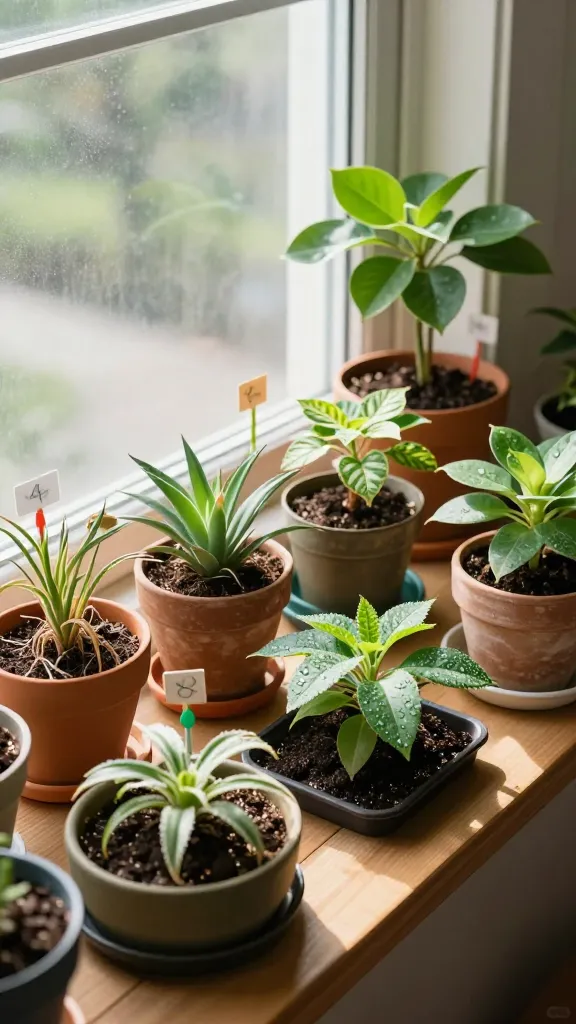
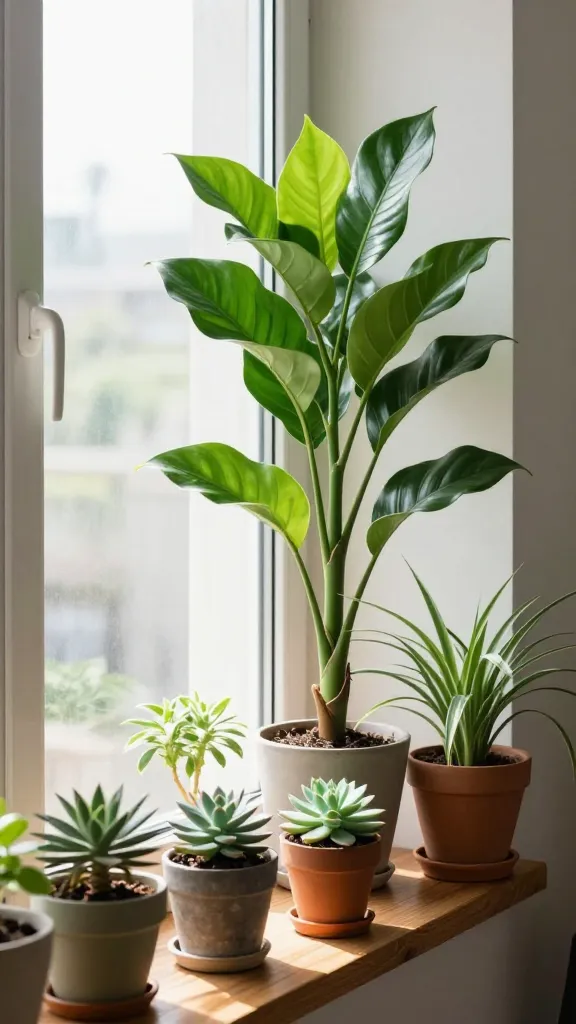
Spend twenty minutes with your plants — not as a chore, but as a practice. Water slowly, rotate pots, wipe leaves, and notice what’s changing. This grounding ritual connects you to something alive while keeping your plants healthy, reducing stress and restoring attention.
Plant care doesn’t have to feel like another item on the to-do list. It can be a meditation. When my grandmother tended her apartment balcony garden, she wasn’t just keeping plants alive — she was staying connected to the forest she’d left behind. She’d check each pot, notice which leaves needed wiping, rotate the ones leaning toward the light. It was slow, intentional, and grounding.
You don’t need a balcony or a green thumb. Even a single pothos on a shelf becomes a ritual if you approach it differently. Water slowly — not because the plant needs it, but because the act of pouring water, watching it soak into soil, is itself a pause. Wipe the leaves with a damp cloth. Rotate the pot a quarter turn so it grows evenly. Notice: is there new growth? Any brown edges? What does this plant need from you today?
The World Health Organization’s research on urban green spaces confirms that even brief contact with plants reduces stress and restores attention. You’re not just caring for your plants — you’re caring for yourself.
Takeaway: Tomorrow, approach your plants as a ritual, not a task. Water slowly. Notice what’s changing. Stay present.
5. What Nourishing Ritual Feeds Your Body and Slows You Down?

Cook one slow meal or brew one intentional cup of tea — something that requires your hands and attention, not a rushed sandwich. The act of preparing food mindfully becomes a meditation, grounding you in the present moment.
Sunday is the perfect day for cooking something that takes time. Not because you need to meal prep for the week, but because the act of chopping, stirring, tasting, and waiting is itself a practice. A soup that simmers for an hour. Bread that rises and bakes. A pot of tea that steeps slowly while you sit and watch it.
The key is intention. Don’t cook while scrolling your phone or watching the news. Cook because you want to eat something nourishing, and because the process itself slows you down. Notice the smell of garlic hitting oil. Feel the weight of the knife in your hand. Watch steam rise from the pot.
This isn’t about being a good cook — it’s about being present. Even making toast can be a ritual if you do it slowly, with attention, and eat it sitting down instead of standing over the sink.
Takeaway: Choose one thing to prepare this Sunday — a meal, a snack, a drink — and do it slowly. No phone. No rush. Just you and the process.
6. How Do You Create a Moment of Rest That Isn’t Scroll Time?
Replace thirty minutes of phone scrolling with lying down, reading, or sitting by a window with no agenda. True rest restores your nervous system; scrolling drains it. This swap reduces stress and improves emotional regulation.
We confuse scrolling with rest, but they’re opposites. Scrolling is active — your brain processes images, text, notifications, other people’s lives. It’s not rest; it’s stimulation. The APA notes that constant digital input increases stress and makes it harder for the brain to recover.
Real rest is different. It’s lying on the couch with your eyes closed, listening to music or silence. It’s reading a book — not skimming headlines, but reading paragraphs, chapters. It’s sitting by a window watching the light change. It’s napping without guilt.
Choose one thirty-minute window this Sunday — after lunch, in the afternoon, before dinner — and don’t touch your phone. Lie down. Read. Sit. Stare at the ceiling if you want. Let your mind wander. Let your body be still.
You’ll notice something: at first, it feels uncomfortable. Your hand reaches for the phone automatically. But if you stay with it, the discomfort passes, and you enter a different state — one where your nervous system actually resets.
Takeaway: Pick a thirty-minute window. Phone in another room. Lie down, read, or sit quietly. Notice how it feels.
7. How Does a Nature Connection Reset Your Week?
Spend twenty minutes outside — a walk, sitting in a garden, or even standing on your balcony with your eyes on the sky. Research shows that even brief nature exposure reduces cortisol and restores attention for hours afterward.
If you can get outside, do it. A twenty-minute walk — not power-walking for exercise, but walking slowly, noticing trees, sky, the sound of your footsteps — does something to your nervous system that nothing else replicates. Harvard Health research on nature and stress shows that spending at least twenty to thirty minutes immersed in a nature setting was associated with the biggest drop in cortisol levels. After that time, additional stress-reduction benefit accrued more slowly.
You don’t need a park or a forest. A tree-lined street works. A community garden. Even sitting on your balcony with your eyes on the sky counts. The key is being outside, with no agenda, letting your senses engage with something larger than your inbox.
If you truly can’t get outside — if you’re housebound or the weather is extreme — bring nature in. Open a window and sit near it. Watch the trees move in the wind. Listen to birds. The effect isn’t as strong as being outside, but it’s still something.
Takeaway: This Sunday, spend twenty minutes outside. Walk slowly. Notice everything. Come back different.
8. How Do You Close Sunday with Intention Instead of Anxiety?
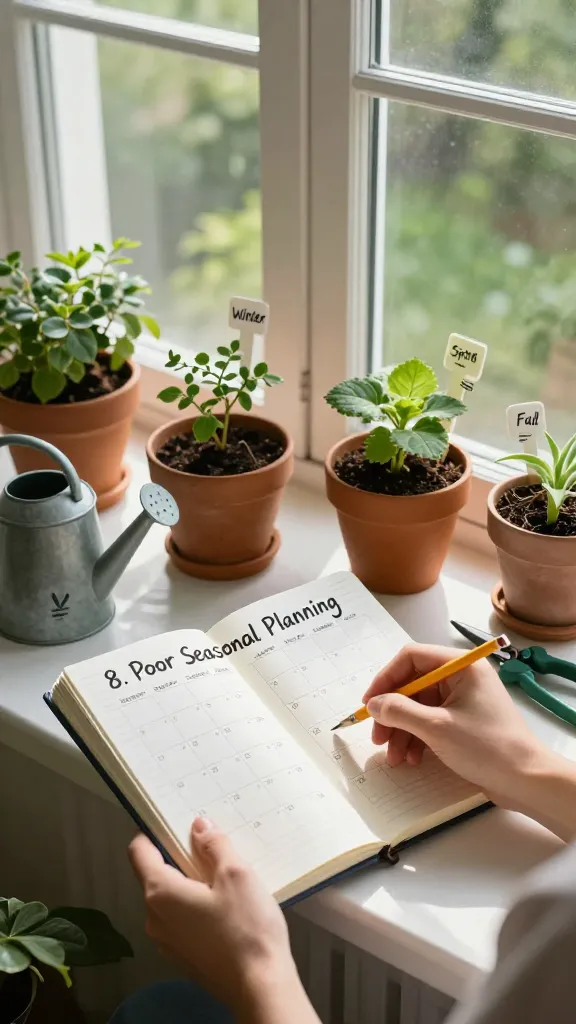
End Sunday with a simple ritual — dim lights, write one thing you’re grateful for, and set one small intention for Monday morning. This closes the weekend loop and reduces “Sunday scaries” anxiety by shifting focus from dread to possibility.
Sunday evening is when anxiety creeps in. The weekend ends, the work week looms, and suddenly you’re tense. Most people call this the “Sunday scaries” — that anticipatory anxiety about Monday that ruins the last hours of your weekend.
But you can close Sunday differently. As evening approaches, dim the lights. Light a candle if you have one. Grab your journal — the same one you used for your weekly review — and write one thing you’re grateful for from this past week. Just one. Then write one small intention for Monday morning. Not a goal, just a direction. “Drink coffee slowly.” “Take three deep breaths before opening email.”
This ritual does something simple but powerful: it creates an ending. You’re not falling off the edge of the weekend into Monday — you’re closing one chapter with gratitude and opening the next with intention. It’s a small act, but it changes the emotional texture of the transition.
Takeaway: Tonight, dim the lights. Write one thing you’re grateful for. Write one small intention for tomorrow. Close the notebook. Breathe.
Sunday Rituals Compared
| Ritual | Time Required | Primary Benefit | Best For |
|---|---|---|---|
| Morning pause (no phone) | 10 minutes | Cortisol reduction + focus | Starting day with calm |
| Clear one surface | 10 minutes | Visual quiet + reduced stress | Creating week-long calm |
| Weekly review | 15 minutes | Closure + emotional regulation | Reducing anxiety |
| Plant care ritual | 20 minutes | Stress reduction + attention restore | Connecting with nature indoors |
| Slow cooking/brewing | 30-60 minutes | Mindfulness + nourishment | Being present with hands |
| True rest (no scrolling) | 30 minutes | Nervous system reset | Recovery from digital overload |
| Nature connection | 20 minutes | Cortisol drop + mood boost | Weekly stress reset |
| Evening wind-down | 10 minutes | Reduces Sunday scaries | Closing weekend with intention |
Frequently Asked Questions
How long should a Sunday ritual take?
Most of these rituals take 10-30 minutes each, but you don’t need to do all of them. Pick one or two that resonate and start there. The goal is consistency, not perfection — a ten-minute morning pause done every Sunday is more valuable than an elaborate three-hour routine done once.
What if I don’t have time for all eight rituals?
You don’t need all eight. These are options, not obligations. Start with the ones that feel most needed — maybe the morning pause and the evening wind-down. Add more as they become habits. The point is to create space for slowness, not to create another to-do list.
How do I stick to a Sunday routine without it feeling rigid?
Flexibility is the point. These rituals are invitations, not rules. If you miss the morning pause one Sunday, that’s fine — just notice it and try again next week. The goal is to create a rhythm that supports you, not another source of pressure. Some Sundays you’ll do all eight; others you’ll do two. Both are enough.
Can Sunday rituals help with Sunday anxiety?
Yes — that’s one of their primary benefits. The evening wind-down ritual (writing gratitude and setting a small intention for Monday) directly addresses “Sunday scaries” by creating closure and shifting your focus from dread to possibility. The morning pause and nature connection also reduce cortisol, making the whole day feel less tense.
Conclusion
Sunday doesn’t have to feel like a countdown to Monday. It can feel like a day that belongs to you — a day for slowness, for grounding, for noticing what matters. You don’t need a perfect routine or hours of free time. You need one small ritual, done with intention, repeated until it becomes a rhythm.
Start this Sunday. Choose one practice — the morning pause, the weekly review, the evening wind-down — and do it. Notice how it feels. Then add another the following week. Over time, these small acts accumulate into something larger: a life that feels less rushed, more rooted, and more yours. If you want to extend this grounded feeling throughout your week, my guides on simple ways to slow down your weekend, seasonal home transitions, and intentional home design show how to weave calm into every part of your life.
Leave a Reply