7 Seasonal Botanical Ideas for a Living, Breathing Earthy Home
· thehazelcottage@mail.com
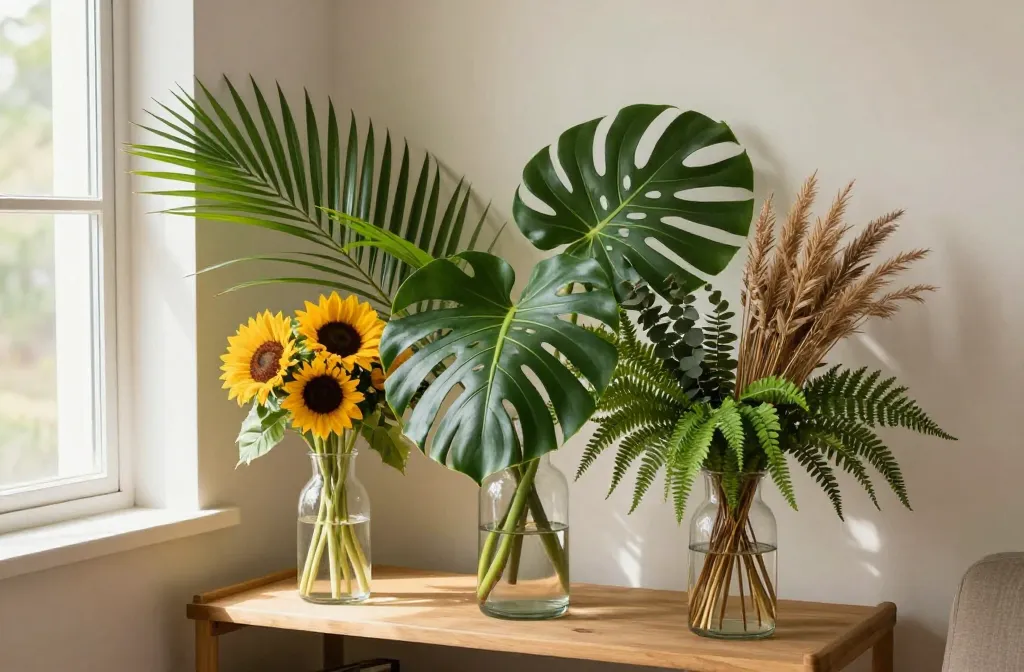
I’ve mistaken a bland, plastic décor for a home full of life, until I started listening to the plants and adjusting with the seasons. If you live in a small apartment like I do, you can create a living, breathing space using simple, seasonal botanicals and routine tweaks. This guide shows you seven practical ideas you can implement this week to make your home feel vibrant, fresh, and in harmony with the year’s changes.
What plants should I rotate each season for a living home?
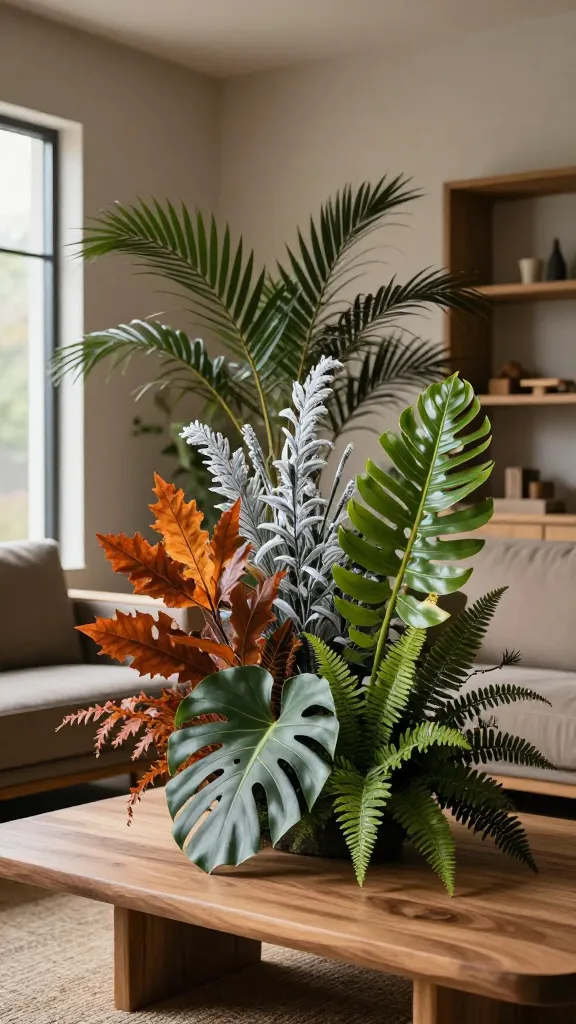
Rotate a trio of foliage arrangements every four to six weeks — autumnal branches, wintery evergreens, and spring or summer stems. Match each plant to available light to preserve color and structure throughout the season.
Rotate a trio of foliage arrangements every 4–6 weeks: autumnal branches, wintery evergreens, and spring/summer stems. Match each plant to available light — many foliage plants prefer bright indirect light near a window, while variegated varieties need more illumination to hold their colour.
Letting a single arrangement stagnate makes your space feel flat and artificial. A rotating trio of autumnal, wintery, and spring/summer foliage keeps energy moving and visually communicates the season.
Signs to Watch For
- Leaves looking tired or dull for more than a week
- Soil moisture consistently wrong for the plant’s season
- A lack of scent or texture in the space
How to Fix It
- Choose three plants with different textures (palm, monstera leaf, fern) or a single plant with seasonal accents (bark, cones, seasonal flowers).
- Swap in fresh foliage every 4–6 weeks to align with the season.
- Place near bright indirect light by a window to preserve color and structure.
What to Use Instead
- A small collection of seasonal stems from a garden centre or grocery store (e.g., sunflowers in summer, dried grasses in autumn, eucalyptus in winter).
Seasonal Rotation Guide
| Season | Foliage Type | Colour Palette | Example Plants |
|---|---|---|---|
| Autumn | Dried branches, eucalyptus | Warm browns, burnt orange | Pampas grass, oak branches, sunflowers |
| Winter | Evergreens, pine | Deep green, frost white | Cedar, juniper, rosemary, eucalyptus |
| Spring | Fresh stems, blossoms | Soft pink, pale yellow | Cherry branches, tulips, daffodils |
| Summer | Tropical leaves, herbs | Vibrant green, yellow | Monstera, basil, mint, lavender |
Takeaway: Create a rotating foliage display that changes with the calendar to keep your space feeling alive.
How do I add vertical greenery in a small apartment without a full garden?
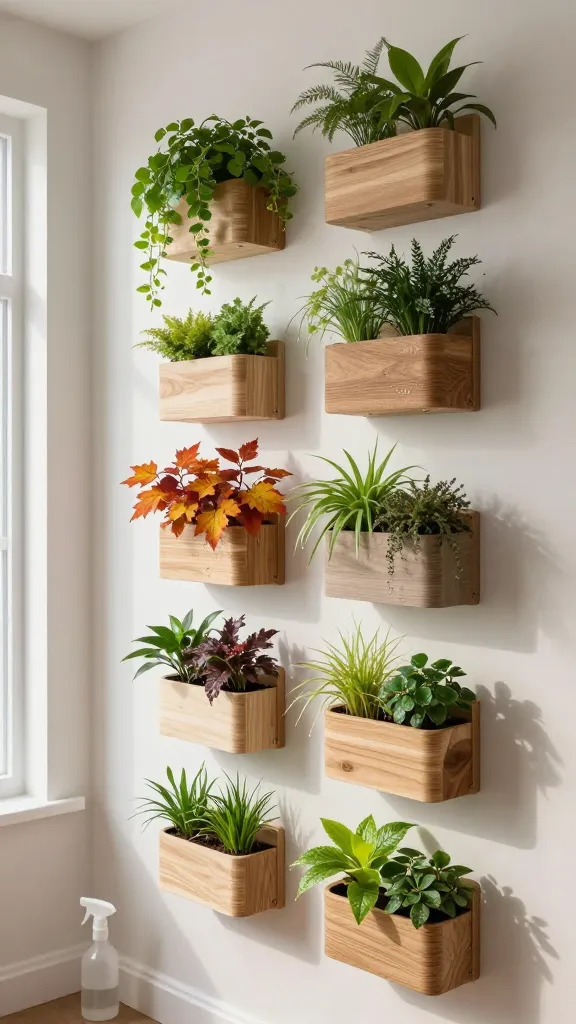
Use modular pockets or lightweight hanging pots changed with the season — not a full vertical garden. Choose low-maintenance species matched to your room’s light, watering routine, and available space.
Use modular pockets or lightweight hanging pots changed with the season — not a full vertical garden. Choose low-maintenance species matched to your room’s light, watering routine, and available space.
A full vertical garden isn’t necessary. A few modular pockets or lightweight hanging pots changed with the season breathe life into a wall without overwhelming a small space.
Signs to Watch For
- Modules that dry out too quickly or stay too wet
- Plants losing vigor near windows or in corners
- Dust buildup on wall planters diminishing plant health
How to Fix It
- Use a basic potting mix from the garden centre in each module, not enriched soil that compacts.
- Water with a simple spray bottle or a small watering can as needed, aiming for soil that is barely damp to the touch.
- Rotate modules seasonally to ensure even light exposure.
What to Use Instead
- Low-maintenance species: Pilea, Satin pothos, peperomia
Takeaway: Build a modular living wall that you realign with the seasons for ongoing freshness.
Which seasonal scents make a room feel intentional and connected to the year?
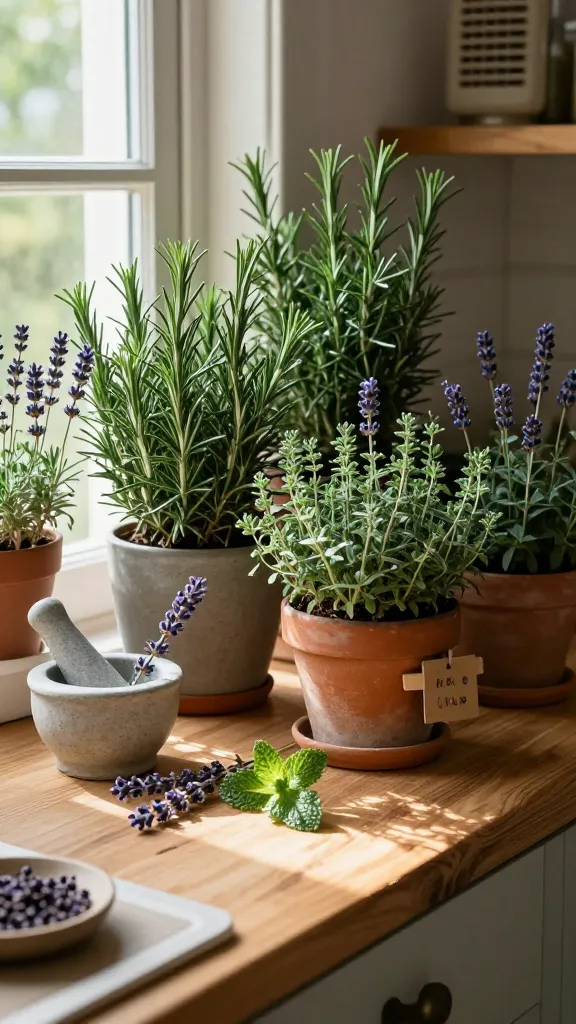
Place aromatic herbs like rosemary, thyme, or lavender near entryways and cooking spaces where you brush past them. Seasonal fragrances act as powerful environmental cues that connect a space to the time of year.
Place aromatic herbs like rosemary, thyme, or lavender near entryways and cooking spaces where you brush past them. Because scent-processing regions are closely connected with memory and emotion systems, seasonal fragrances act as powerful environmental cues that make a space feel intentional.
I still remember the smile I used to have when I left the subway in Munich in winter and stepped into a Christmas market — the smell of pumpernickel, spices, and citrus from the glühwein made me smile before I even realised why. That’s the power of seasonal scent: it bypasses logic and goes straight to memory and emotion.
Real estate stagers have known this for years. They bake cookies before open houses so potential buyers subconsciously imagine themselves living there. The scent does the emotional work before the visuals even register.
Signs to Watch For
- Plants with waning scent strength in colder months
- Herbs that spoil quickly without proper placement
- Stale air feeling in rooms with low natural ventilation
How to Fix It
- Place pots of rosemary, thyme, or lavender near cooking spaces or entry doors to release scent when you brush past. Research on lavender and rosemary aromatherapy has shown measurable improvements in cognitive function, anxiety, and sleep quality after just four weeks of exposure.
- Grow scented geraniums or mints in small pots by the kitchen window for easy harvests.
- Dry a small bouquet of rosemary and lavender for winter fragrance indoors.
What to Use Instead
- Fresh herbs from a local market or garden centre to regularly harvest and release scent.
- In my sales role, we always put a pot of coffee on when guests come over — proper coffee, made from freshly roasted and ground beans, not the instant stuff. The subconscious message was clear and put people into a great mood before we even started talking. Freshly brewed coffee, seasonal herbs, or citrus peels can do the same work in your home.
Takeaway: Use seasonal scents to cue the room’s mood and seasonality, without relying on artificial air fresheners.
How do pot colors and plant choices change with the seasons?
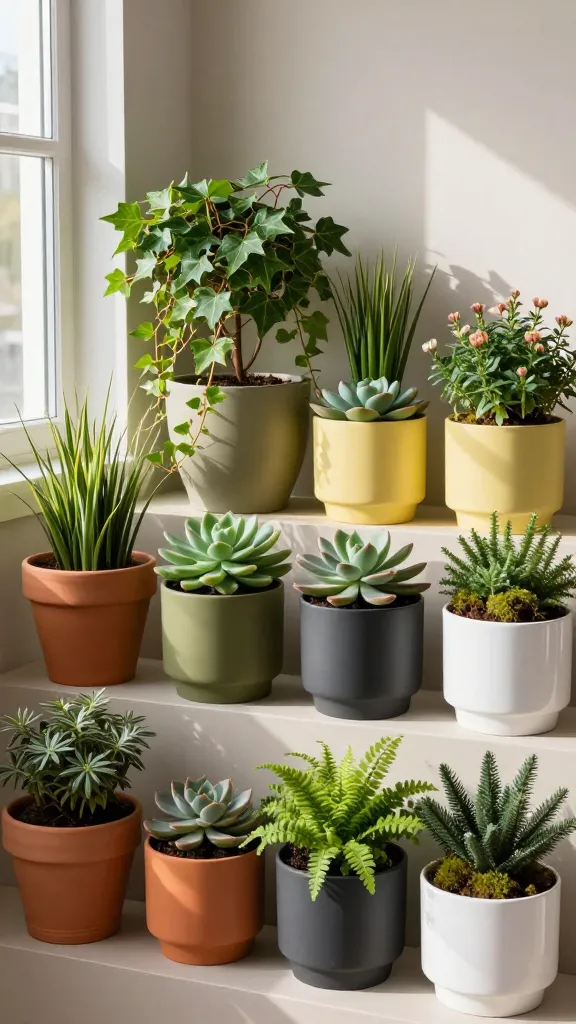
Switch two to three pot colours per season — terracotta and olive for autumn, sage and pale yellow for spring, charcoal and white for winter. Pair with seasonal plant varieties to create an instant seasonal cue without redecorating the whole room.
Switch 2–3 pot colours per season: terracotta and olive for autumn, sage and pale yellow for spring, charcoal and white for winter. Pair with seasonal plant varieties — winter greens, spring bulbs, summer herbs — to create an instant seasonal cue without redecorating the whole room.
Colour has a big impact on how seasonal your space feels. Rather than one evergreen palette year-round, switch pot colours and plant varieties to reflect the current season.
Signs to Watch For
- Monochrome plant displays that feel flat
- Soil that looks mismatched with the plant’s season
- Colour clashes that distract from the room’s overall vibe
How to Fix It
- Choose 2–3 pot colours per season; for autumn use terracotta and olive; for spring use sage and pale yellow; for winter use charcoal and white.
- Pair with seasonal plant choices: winter greens, spring bulbs, summer herbs.
- Keep a simple label system to remember what goes where and when you rotate.
What to Use Instead
- Pre-potted seasonal mixes or quick-swap potted arrangements from the garden centre
Takeaway: Recolour your plant display with seasonally appropriate pots and plants for an instant seasonal cue.
Can I create plant microclimates in my apartment to support humidity and comfort?
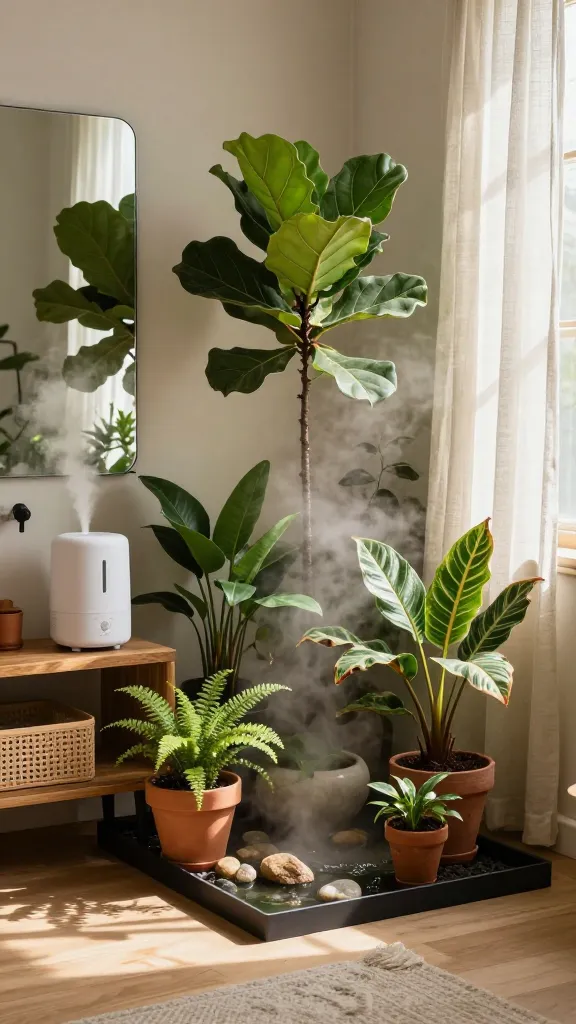
Group pots near humidity sources like kitchen sinks or bathroom windows, or use a pebble tray with water under plant pots. Most houseplants thrive with indoor relative humidity between 30% and 60%, which also supports human comfort.
Group pots near humidity sources like kitchen sinks or bathroom windows, or use a pebble tray with water under plant pots. Most houseplants thrive with indoor relative humidity between 30% and 60%, which also supports human comfort.
My bathroom is a great space for orchids — I hate the cold so I tend to leave a small heater on all the time, and that combined with the steam from showering creates the perfect microclimate. The orchids thrive on it — I just have to watch out for mould.
Signs to Watch For
- Leaves browning at edges or curling
- Dust accumulating on leaves faster in dry air
- Soil drying out within days in heated rooms
How to Fix It
- Group pots near a humidity source such as a kitchen sink, bathroom window, or a small humidifier set to low mist
- Keep a shallow tray with pebbles and water under plant pots to moderate humidity
- Choose plants that tolerate regular humidity, like pothos, ferns, or calatheas
What to Use Instead
- A simple, affordable misting bottle for daily light spritzes
Takeaway: Create gentle microclimates to support plant health and add tactile warmth to your seasonal setup.
What textures make a space feel alive and connected to nature beyond colour?
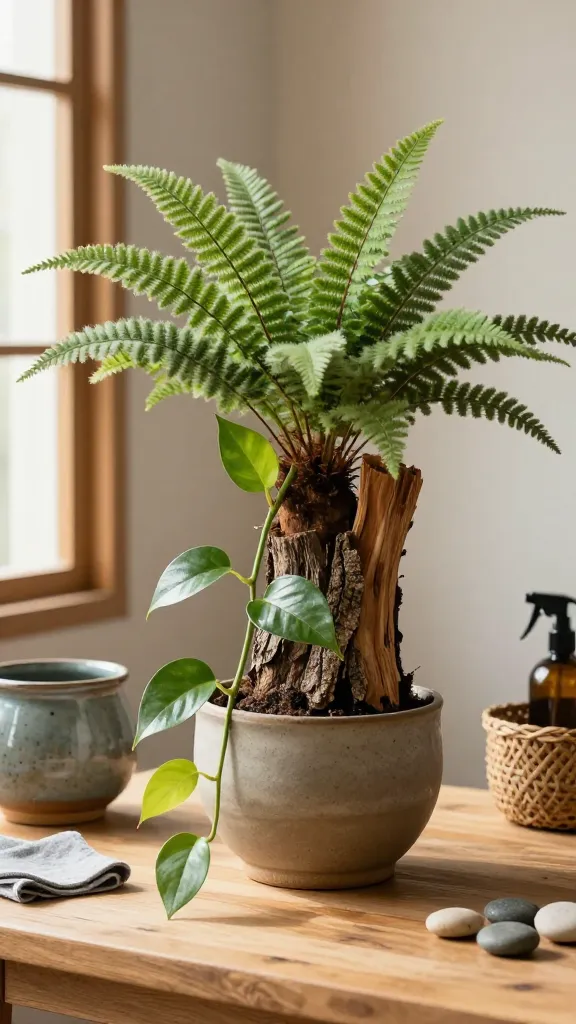
Mix fuzzy ferns, glossy pothos, and bark-wood elements in a single display to create tactile depth. Layering natural materials and plant forms strengthens a room’s visual and sensory connection to nature.
Mix fuzzy ferns, glossy pothos, and bark-wood elements in a single display to create tactile depth. Evidence-based biophilic design research shows that layering natural materials and plant forms strengthens a room’s visual and sensory connection to nature.
Texture adds depth and seasonal feel beyond colour. Introducing a mix of fuzzy leaves, glossy surfaces, and bark accents makes a space feel alive without needing large changes.
Signs to Watch For
- Uneven textures causing the eye to drift away from focal points
- Plants that feel too smooth or too harsh against other decor
- Foliage that looks dusty or brittle
How to Fix It
- Mix textures: a fuzzy fern, glossy pothos, and a bark-wood element in a single display
- Dust leaves weekly with a damp cloth to maintain sheen and health
- Rearrange planters to emphasize texture contrasts near seating areas
What to Use Instead
- Seasonal accents like dried seed heads in autumn or moss balls in spring
Takeaway: Layer textures to evoke seasonality and keep the room visually engaging year-round.
Do I need a big water feature to add seasonal ambience to my apartment?
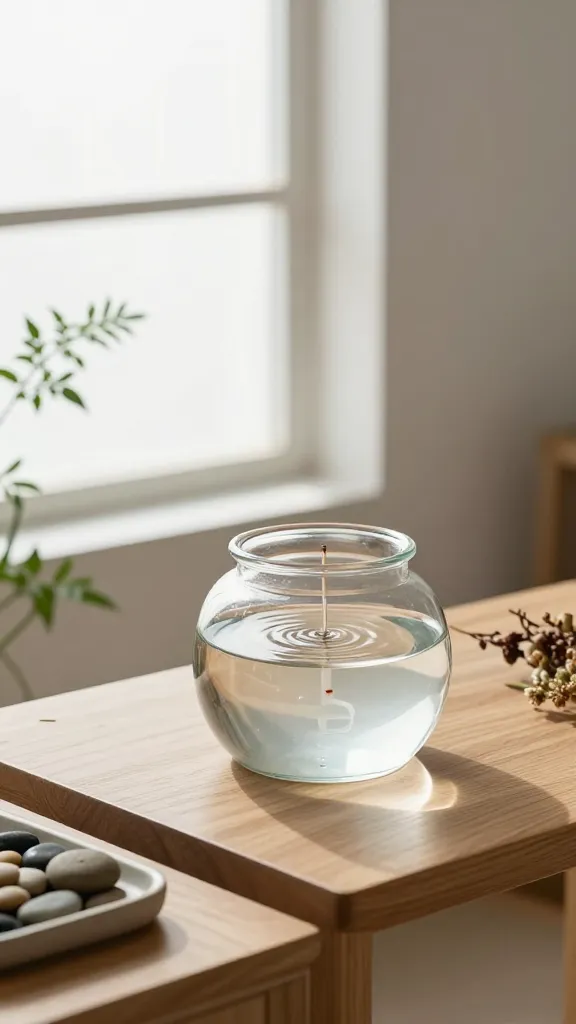
No — use a small, quiet tabletop fountain or a shallow tray with stones and a gentle rainfall pebble to mimic motion without plumbing. Clean weekly to prevent algae and odour, and place near bright indirect light to support nearby plants.
No — use a small, quiet tabletop fountain or a shallow tray with stones and a gentle rainfall pebble to mimic motion without plumbing. Clean weekly to prevent algae and odour, and place near bright indirect light to support nearby plants.
I used to live in a house where there was a fountain in the yard. The sound was just perfect — faint, but there, a reminder of a small creek. That’s what a good water feature does: it doesn’t demand attention, it just adds a layer of life to the background.
Signs to Watch For
- Water stagnation or odd odours around containers
- Slower plant growth near a dry corner or too much glare near a bright window
- Noise or vibration from larger water features disrupting the space
How to Fix It
- Use a small, quiet tabletop fountain or a simple jar with a wick system to circulate water slowly
- Place close to a bright indirect light area to support plant health
- Clean weekly to prevent algae growth and odour
What to Use Instead
- A shallow tray with stones and a gentle rainfall pebble to mimic motion without plumbing
Takeaway: Add a subtle water feature that aligns with the season and keeps the space alive without clutter.
Seasonal Botanical Ideas Compared
| Idea | Time Required | Primary Benefit | Best For |
|---|---|---|---|
| Rotate foliage trio | 30 minutes every 4-6 weeks | Keeps space feeling alive and seasonal | Visual seasonal connection |
| Modular vertical greenery | 15 minutes to set up | Adds life without floor space | Small apartments |
| Seasonal scent herbs | 5 minutes to place | Triggers memory and emotion | Entryways and kitchens |
| Seasonal pot colors | 20 minutes per season | Instant seasonal cue | Visual cohesion |
| Plant microclimates | 10 minutes to group | Supports humidity-loving plants | Bathrooms and kitchens |
| Mixed textures | 15 minutes to arrange | Tactile depth and visual interest | Biophilic connection |
| Small water feature | 5 minutes to set up | Adds sound and motion | Background ambience |
Frequently Asked Questions
How do I start if I have no heavy equipment?
Start with a small, multi-textured plant trio near a bright window and water with a spray bottle. Rotate one element every 4–6 weeks and dust leaves weekly.
What if my apartment has harsh winter light?
Place plants near the brightest window and use a reflective surface like white card to bounce light back. Consider a lightweight grow light for key spots, but avoid overloading with fixtures.
How often should I rotate seasonal displays?
Rotate every 4–6 weeks to match natural changes in light and temperature. Keep notes on what worked and what didn’t to refine your process over time.
Which plants are best for beginners?
Pothos, string of hearts, peace lily, and spider plant are forgiving and adapt well to typical apartment conditions. Pair them with a few herbs like basil or mint for easy harvests and scent.
What are affordable ways to refresh without buying new plants?
Swap pot colours, prune leggy growth, and cut fresh stems from existing plants to reintroduce vitality. Cleaning leaves and rotating positions can dramatically alter the space with minimal cost.
Can I use artificial elements?
Artificial elements work as a temporary bridge while you build a real plant setup that follows seasonal changes. The goal is always a living, breathing space — use faux accents sparingly until your real plants are established.
Conclusion
With a handful of seasonal tweaks, your apartment can feel alive and connected to the year. Start small — rotate a foliage corner, refresh a living wall module, and layer textures — and watch the space become a welcoming, earthy home that breathes with the seasons. These seven ideas work together to create a space that feels intentional, grounded, and responsive to the natural world around you.
If you want to extend this botanical philosophy to other parts of your home, my guides on balcony ideas for small spaces, Sunday rituals for a grounded home, and morning rituals for a slow start show how to weave nature and intention into every part of your daily life.
Leave a Reply