10 Spring Home Decor Ideas That Feel Fresh, Not Trend-Driven
· thehazelcottage@mail.com
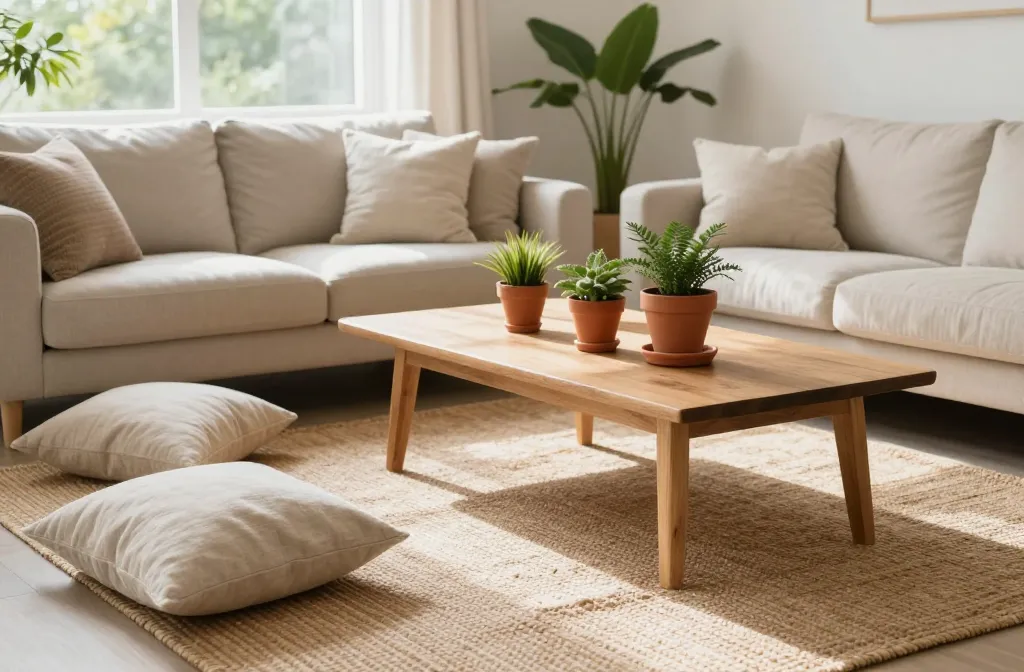
Moving countries every three or four years taught me what actually matters in a home. Each move meant reducing what we owned — shipping costs forced us to consider every item’s real worth, whether in quality or memory. Things that could be digitised became photos in coffee-table books. The rest had to earn its place. That discipline shaped how I think about spring decor now: not buying something new, but letting the season in through light, texture, and things that feel alive.
Here are ten practical spring decor ideas that feel fresh, not trend-driven. Most require nothing more than rearranging what you already own or opening a window.
1. How Does Layering Natural Textures Make a Room Feel Alive?
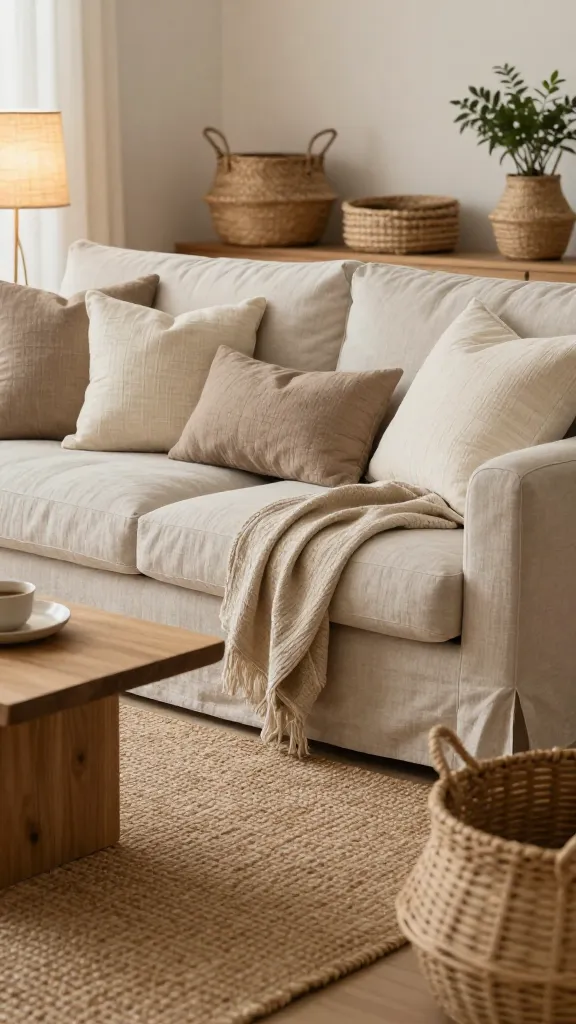
Natural textures read as spring without leaning into a trend cycle — introduce woven baskets, jute rugs, and linen cushions to add tactile warmth that paint alone can’t achieve. A room with layered textures feels grounded, not decorated.
The rooms I loved most across all those moves didn’t rely on colour — they relied on texture. A jute rug underfoot. Linen cushions on the sofa. A rattan basket holding blankets. Each piece adds tactile interest without shouting “seasonal.” The textures change with the light throughout the day, and the room feels alive, not static.
Start with one natural-textured piece per room — a small rug, a basket, a cushion cover. Add more as you notice what works. The goal is warmth, not a shopping spree.
Takeaway: One natural-textured piece per room. Linen, jute, rattan. Let texture do the work.
2. Why Does Strategic Greenery Feel Fresher Than a Jungle?
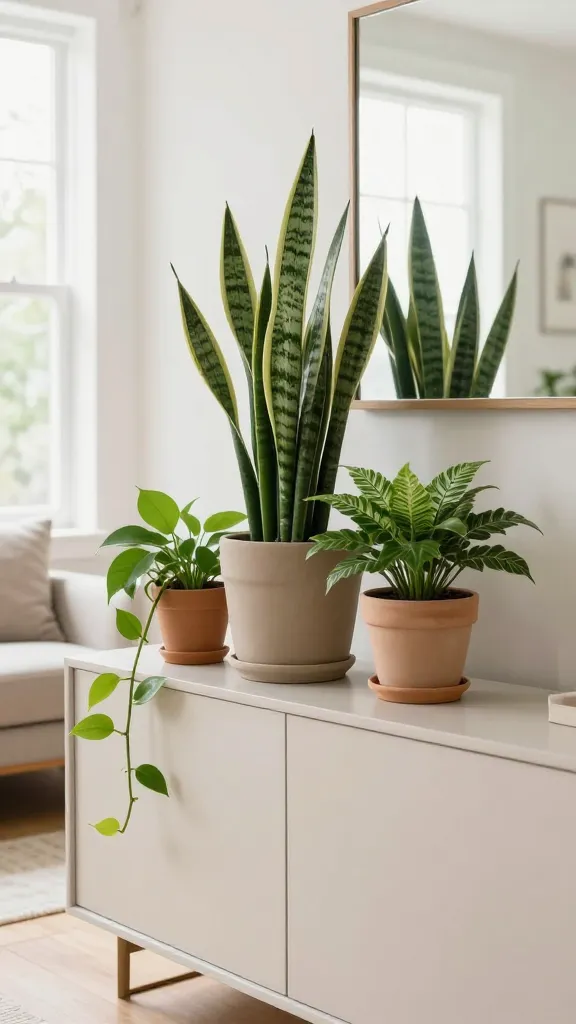
Fresh greens cue spring, but a cluttered collection feels chaotic — choose two to three easy-care plants and place them where they’ll be seen daily. A focal plant and one secondary plant create a clean, spring-ready vibe without demanding constant care.
WHO research on green spaces confirms that even brief contact with plants reduces stress and restores attention. You don’t need a green thumb — just choose robust varieties that tolerate lower light and pair them with understated pots that blend with your palette.
My husband learned gardening as a boy, helping his father at the local florist and green-grocer to earn pocket money for a three-day summer holiday. That stayed with him. In our own homes, he’d painstakingly remediate the soil — enriching it where it was basically sea-sand, lightening it when it was clay. He’d grow flower bulbs, dig them up in early winter, sort them, dry them, and plant them out again in spring. The garden was his pride and joy, and it taught me that one person’s dedication to plants transforms a space completely.
Takeaway: One statement plant. One secondary. Place where you’ll see them daily.
3. How Do Subtle Wall Changes Transform a Room?
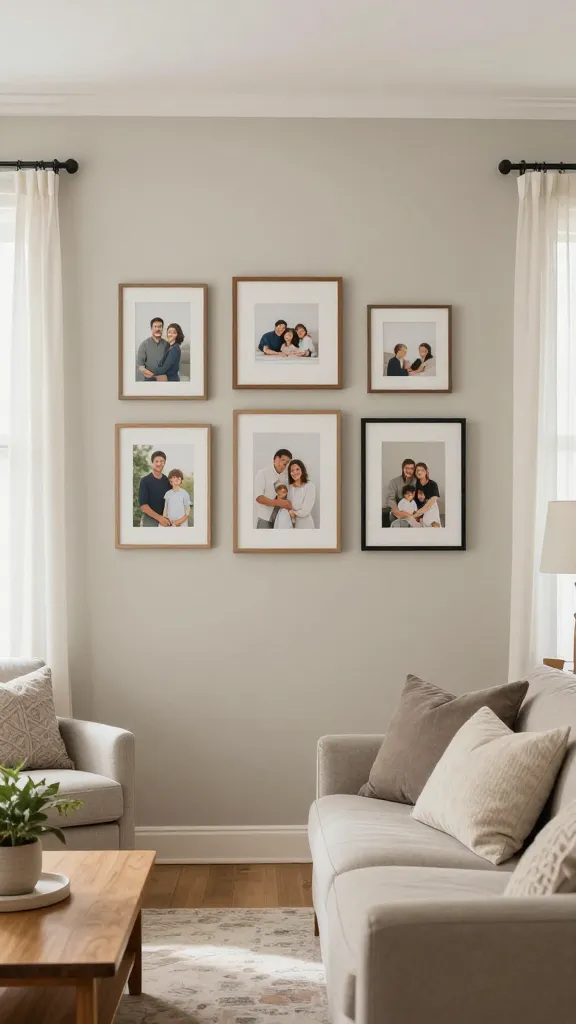
Walls don’t have to scream colour to feel refreshed — paint one accent wall in a soft colour like greige, sage, or pale blush, or hang three to five pieces of cohesive art in a grid. A gentle wall colour and a small art cluster brighten without overpowering.
Research on colour and mood shows that soft, muted tones reduce stress and create a sense of calm, while bold colours can overwhelm in small spaces. The accent wall approach gives you the colour without the commitment.
I painted entire rooms bright colours in our early moves, and by summer, I was sick of them. Then I switched to accent walls — just one wall in a soft, warm tone. Sage in the living room. Pale blush in the bedroom. The colour is there, but it’s not overwhelming. It shifts the mood without committing the whole room.
If painting isn’t an option, hang art. Three to five pieces in a grid, with coordinating frames in black or wood, create cohesion without permanence. The art should echo the room’s palette, not clash with it.
Takeaway: One accent wall or a small art cluster. Soft tones. Coordinating frames.
4. What Happens When You Let Daylight Lead?
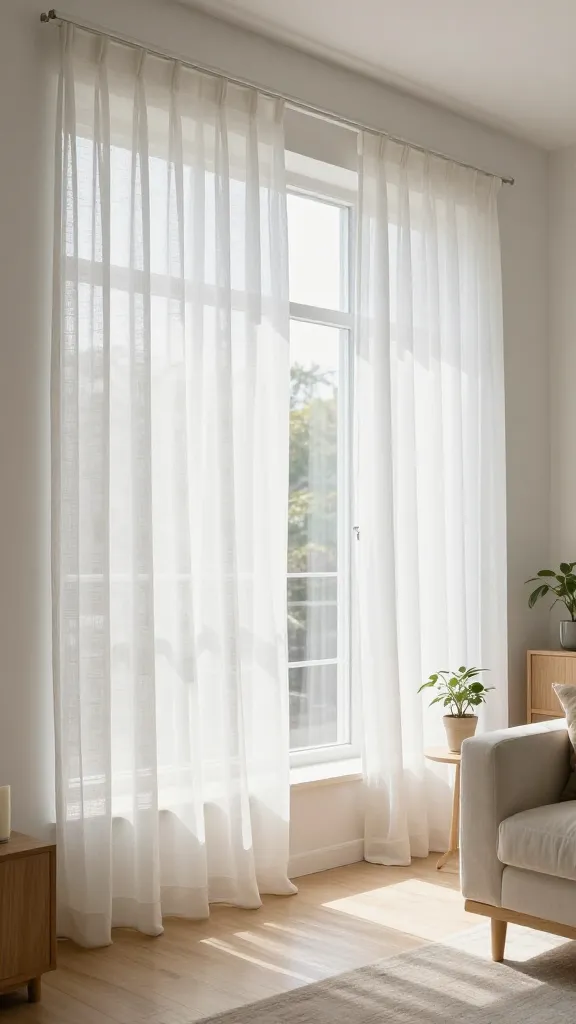
Spring is the season of longer days — replace heavy curtains with linen or sheer panels, clear window sills, and let daylight stream through. Daylight becomes your primary decor tool.
WHO research on environmental wellbeing confirms that exposure to natural light improves mood, sleep quality, and focus. You don’t need expensive lighting solutions — you just need to let the light in, or filter it, depending on the season.
Every house we lived in had a favourite room, always brightly lit but not necessarily facing south or north — in tropical countries, you wanted light but not scorching heat. Most of the time, that room was the kitchen, or opened onto it, because that’s where life happened. The children would sit at the kitchen table, sharing tea and cookies, then homework would come out while I got the meal ready. Those rooms were light and airy, with everything in easy reach. That’s what I aim for now — rooms that invite you to stay, not just pass through.
Place a bright mirror opposite a window to bounce light deeper into the room. Declutter window ledges and swap in a single plant or candle. Let daylight be your primary decor tool.
Takeaway: Sheer curtains. Clear sills. Mirror opposite window. Let light lead.
5. How Do Small Hardware Updates Elevate a Space?
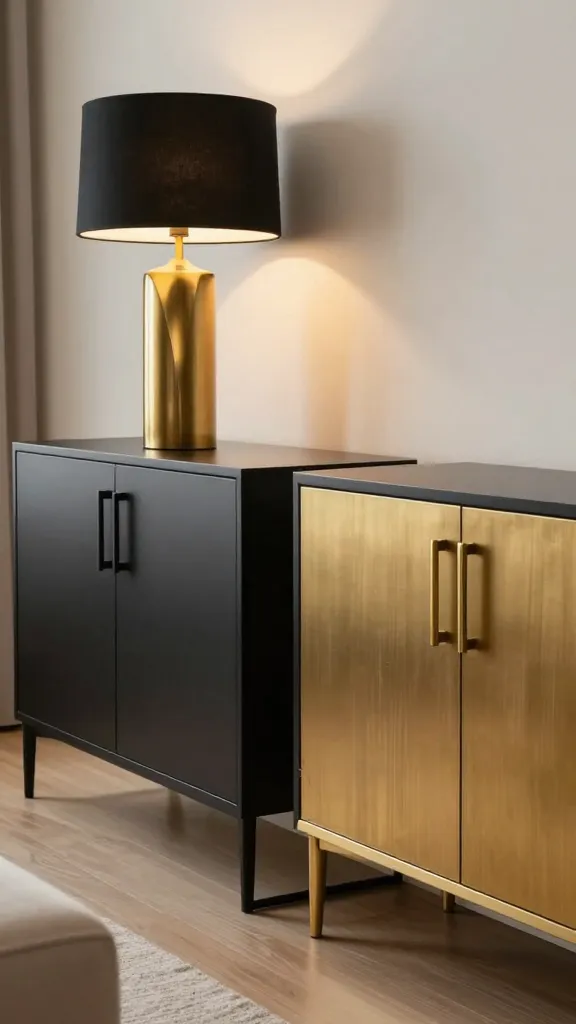
Small updates make a room feel new without a full remodel — replace one or two cabinet handles with matte black or brushed brass, choose a unifying metal tone for lighting fixtures, and swap a tired table lamp for a statement piece. Tidy, cohesive hardware elevates the whole space with minimal effort.
Choose a unifying metal tone for lighting fixtures and hardware. Brushed brass, matte black, or nickel — pick one and stick with it. The cohesion matters more than the specific finish. The room should feel intentional, not mismatched.
I ignored hardware for years — the handles, the switches, the lamp bases — and the apartment felt dated. Then I replaced the cabinet handles in the kitchen with matte black, and suddenly the whole room looked updated. The change was subtle, but it shifted the entire aesthetic. The hardware is the jewellery of the room — small details that make a big difference.
Takeaway: One or two handles. Unifying metal tone. Statement lamp. Small changes, big impact.
6. Why Does a Curated Vignette Anchor a Room?
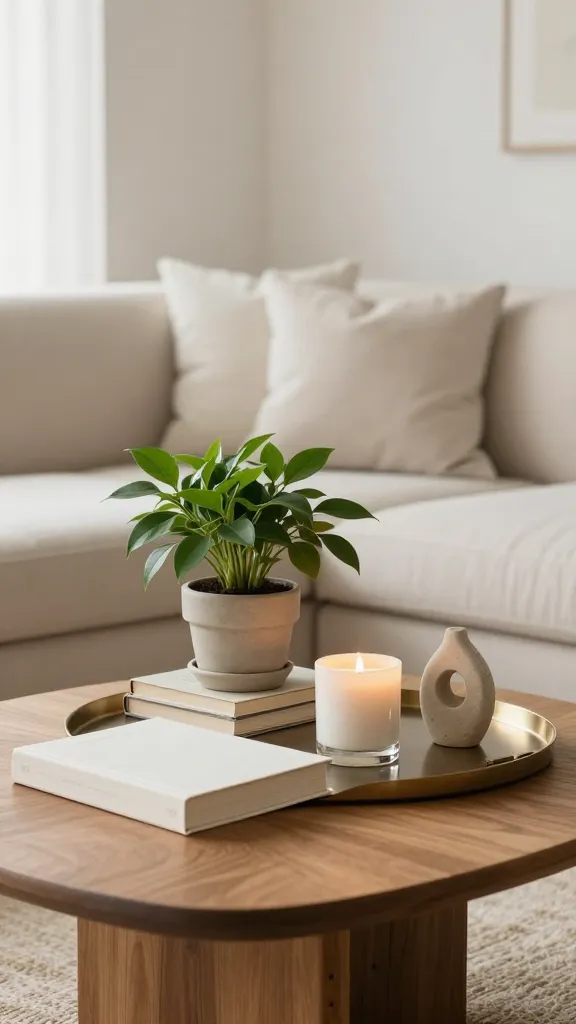
A well-curated vignette anchors a room and guides the eye — group three to five items on a tray or shelf, a book, a plant, a candle, a small sculpture, and vary heights with a small stack of books under a planter. The focal point feels intentional rather than staged.
Limit metallics to one or two finishes for harmony. The vignette should anchor the room, not add to the chaos. One cohesive centerpiece per room beats five random decor items.
Moving every few years taught me restraint. I scattered decor randomly, and the apartment felt cluttered, not curated. Then I learned the power of the vignette. I group three to five items on a tray — a book I’m reading, a small plant, a ceramic bowl, a candle. I vary the heights with a stack of books under the plant. The tray corrals the items, and the arrangement feels intentional.
Takeaway: Three to five items. Wooden tray. Vary heights. One vignette per room.
7. How Do You Add Spring Scent Without Overpowering the Room?
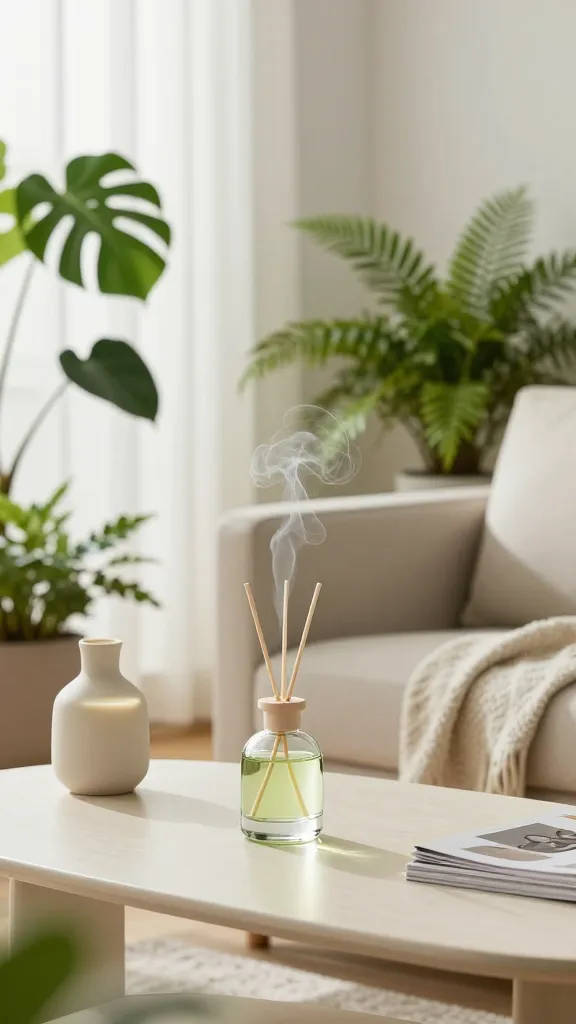
Smell can deeply affect mood, but overly strong artificial scents irritate rather than uplift — use subtle, seasonal scents like fresh citrus, light green florals, or unscented beeswax candles to evoke spring without overwhelming the senses. Choose a single scent family and keep it consistent.
Scent is the most direct pathway to memory and emotion. Neuroscience research on olfaction shows that smell bypasses the brain’s rational centres and connects directly to the limbic system — the seat of emotion and memory. That’s why the smell of fresh citrus in spring can make your whole apartment feel brighter, even on a cloudy day.
I avoid strong artificial scents that irritate rather than comfort. Instead, I place fresh lemon or orange peel in a small ceramic bowl, or use a lightly scented reed diffuser with a green floral note. The scent is subtle, natural, and changes as the day progresses. It’s more powerful than any candle, and it’s free.
Takeaway: Fresh citrus or light floral. Single scent family. Keep it subtle.
8. What Happens When You Reorganise for Movement?
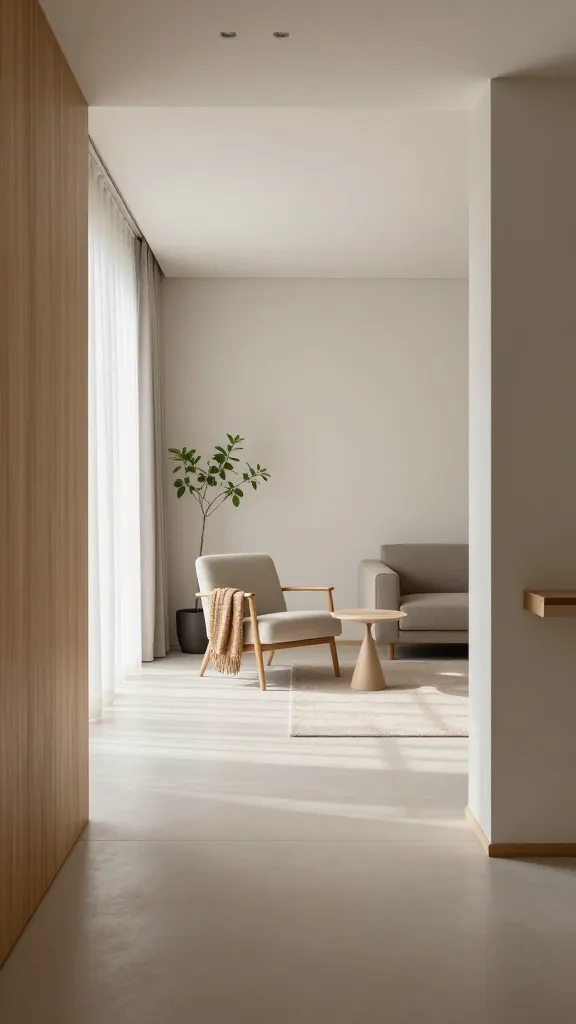
Spring is a great time to rethink layout — move seating away from main entry points, create a dedicated reading nook, and declutter surfaces. A clutter-free floor and clear pathways make a home feel larger and more inviting, which is essential in apartments with limited space.
Use compact side tables with storage, foldable chairs for flexible seating, and decorative storage boxes that blend with furniture. The goal is openness, not emptiness. The room should invite movement, not block it.
I let furniture block the pathways in our early homes, and the apartment felt cramped, not cozy. Then I moved the sofa away from the door, created a reading nook by the window, and cleared the surfaces. The room felt bigger, not because I’d bought new furniture, but because I’d reorganised what I had. Clear floor space and purposeful seating change how a room feels in minutes.
Takeaway: Clear pathways. Reading nook. Decluttered surfaces. Let the room breathe.
9. How Can You Use What You Own in New Ways?
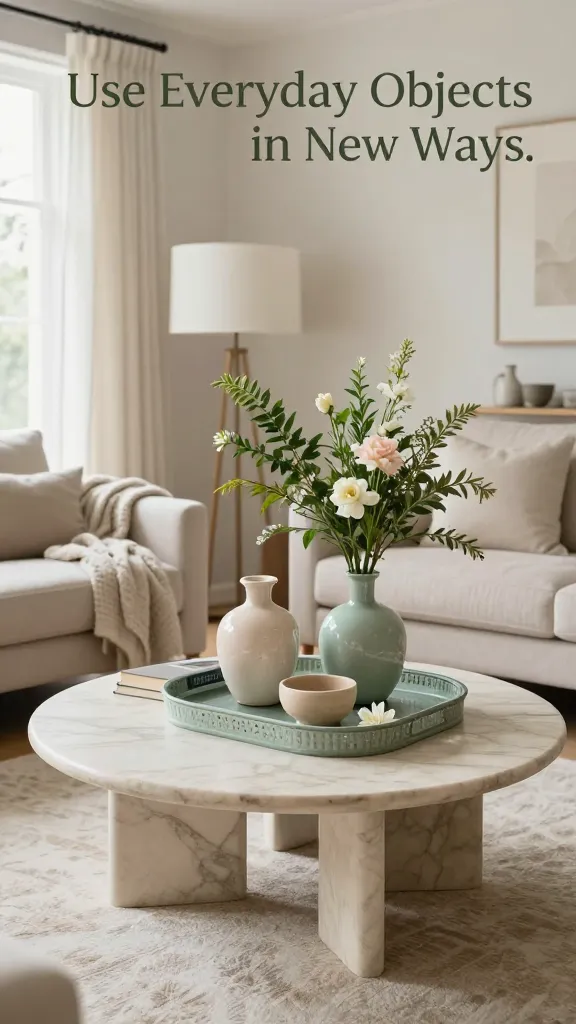
Spring refresh doesn’t require new purchases — repurpose a vintage tray as a coffee-table centerpiece, place a short vase next to a tall lamp to balance height, or switch a tall plant to a lower planter to vary vertical lines. Reimagine items you already own by placing them differently or pairing them with a few inexpensive accents.
Add one or two inexpensive accents from the garden centre to pair with existing pieces. A throw blanket draped over a chair. A few coordinating cushions. The existing items provide the foundation; the new accents provide the refresh.
Repurposing was always a way of life. Sometimes people left and couldn’t take all their old stuff with them, or something broke but we could recycle the item. A broken bathtub became a small pond for ducks or a dipping pool for the kids. A damaged trampoline became a trellis for tomatoes while the jumping net was reused as a floor mat or a shade cloth. If it could be reused, it was. That mindset carries into how I refresh for spring — the vintage tray that sat on the shelf becomes a coffee table centerpiece. The tall plant that dominated the corner moves to a lower planter, and the space opens up. Small reconfigurations deliver a surprisingly fresh look with minimal cost.
Takeaway: Repurpose what you own. Add one or two accents. Let reconfiguration do the work.
10. Why Does a Cozy Nook Make a Home Feel Welcoming?
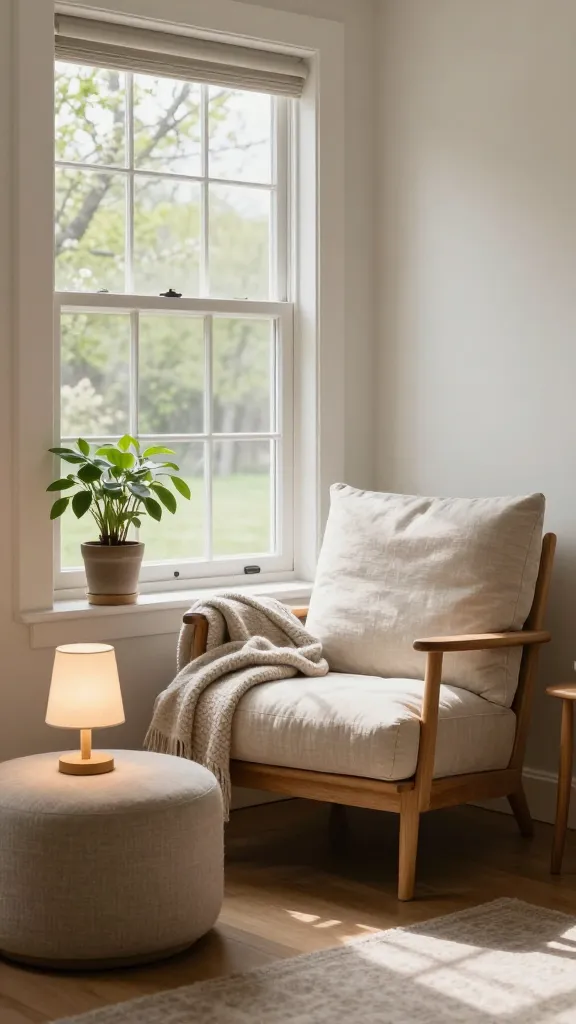
Spring invites comfort after a long winter — place a compact chair or cushions by a sunny window, add a blanket and a small lamp, plus a plant for life. A small, dedicated corner gives you a retreat while keeping the rest of the space open.
Use a small floor lamp in warm light, a lightweight throw for texture and comfort, and a slim bookshelf or wall-mounted shelf to hold a few reads. The nook should feel intentional, not accidental. It’s a single, cozy corner that makes your home feel welcoming and spring-ready.
Every corner used to be a catch-all for stuff. Then I created a reading nook — a compact chair by the window, a lightweight throw, a small lamp, and a plant on the side table. The nook invites me to sit, to read, to linger. The rest of the apartment stays open, but this corner is mine. It’s a retreat within the space.
Takeaway: Compact chair. Sunny window. Throw, lamp, plant. Create a retreat.
Spring Decor Refresh Checklist
| Area | Quick Win | Time Required | Cost |
|---|---|---|---|
| Textures | Add jute rug or linen cushions | 30 minutes | $ |
| Greenery | One statement plant + one secondary | 1 hour | $ |
| Walls | Art cluster or accent wall | 2-4 hours | $$ |
| Light | Sheer curtains, clear sills | 1 hour | $ |
| Hardware | Update 2-3 handles | 30 minutes | $ |
| Layout | Clear pathways, create nook | 2 hours | Free |
| Repurpose | Move items to new locations | 1 hour | Free |
Frequently Asked Questions
What’s the simplest way to start a spring refresh in a small apartment?
Begin with lighting and a single focal point. Open up window treatments to maximise daylight, then add one wall feature — art or a warm paint swatch — to guide the eye and keep clutter down by removing one item from every surface.
How do I choose colours without buying a paint can?
Look for soft, warm neutrals like greige, pale sage, or creamy ivory. Introduce colour with textiles and small decor accents that can be changed later, testing on a small wall patch first to see how it looks in natural light.
Which plants are best for low light apartments?
Snake plant, pothos, and zz plant tolerate lower light and require less water. Place them near bright indirect light rather than direct sun, and rotate them monthly to keep growth balanced.
How can I avoid my space feeling trendy but empty?
Focus on timeless silhouettes and materials — wood, linen, ceramic, and metal finishes in classic tones. Pair one or two statement pieces with plenty of negative space for a space that feels lived-in, not decorated.
Conclusion
These practical moves give your home a spring-forward feel without leaning on fleeting trends. Start with one or two changes this weekend, then layer in the rest over the next few weeks. Let light in. Add texture. Bring in greenery. Reorganise for movement. Use what you own in new ways. Create a cozy nook. You’ll enjoy a brighter, more cohesive home that stays stylish for seasons to come — not because you bought something new, but because you let the season in. If you want to extend this approach year-round, my guides on seasonal home changes, intentional living, and cozy rest corners show how to keep your home feeling fresh and grounded through every season.
Leave a Reply